
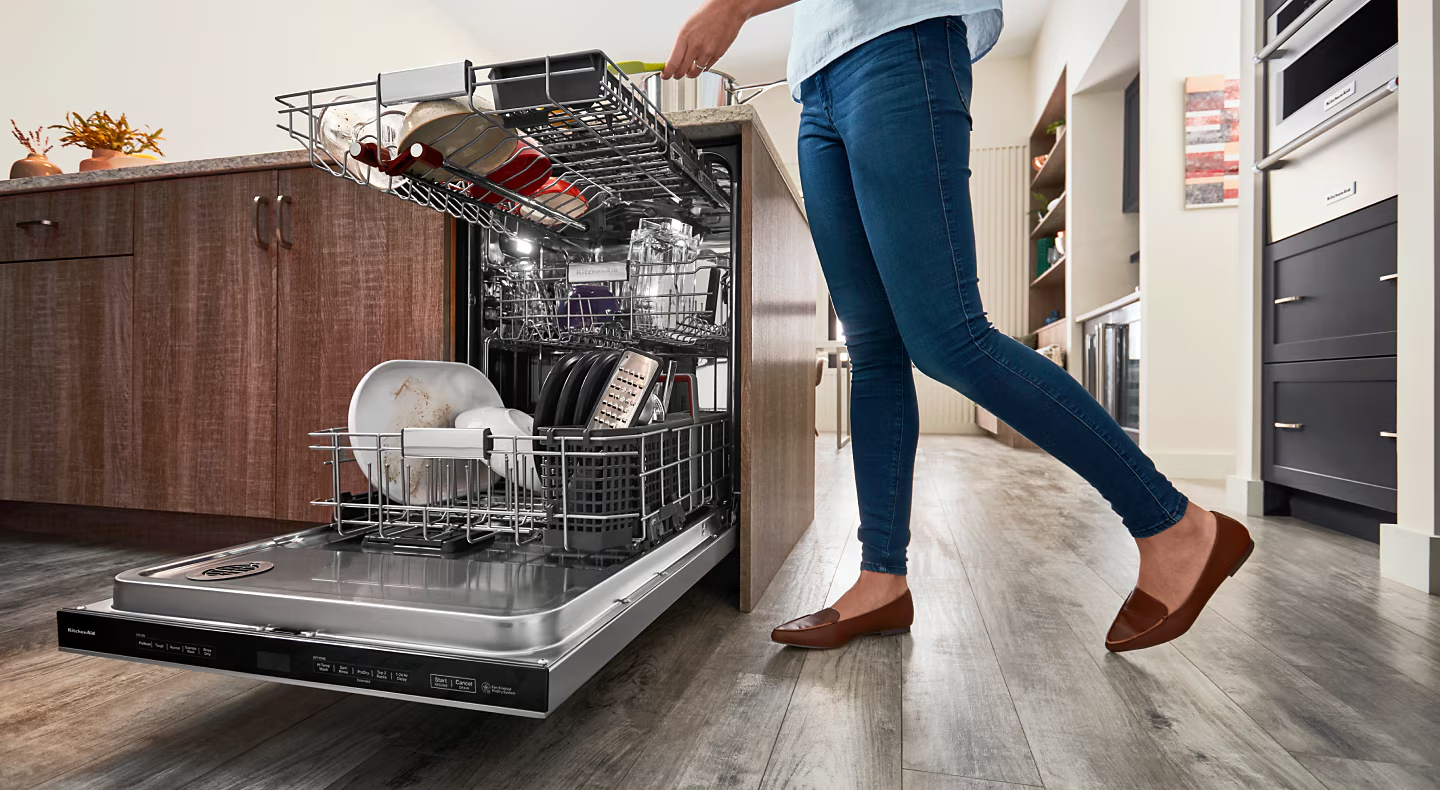
You load the dishwasher, add detergent, press start — and instead of the familiar sound of water filling the tub, there’s silence. Or the cycle runs, but dishes come out dirty and dry. If your dishwasher isn’t getting water, it’s not just annoying — it’s a sign that something in the system isn’t working the way it should. In San Francisco, dishwasher problems are especially common in apartments, condos, and older homes where plumbing may be tight or older. At Prime Fix, we regularly receive calls from SF homeowners whose dishwashers aren’t getting water — and we know how to quickly diagnose and fix these issues before they cause bigger problems.
At Prime Fix, this is one of the most common dishwasher problems we diagnose. The good news is that in many cases, the issue has a clear explanation and doesn’t automatically mean a major or expensive repair. Let’s walk through what’s really going on and what you should (and shouldn’t) do next.
How a Dishwasher Is Supposed to Get Water
Understanding the basics helps make sense of the problem. When you start a dishwasher cycle, the control board sends a signal to open the water inlet valve. Water flows from your home’s plumbing through the inlet valve, into the dishwasher, and then gets sprayed through the arms to clean your dishes. If any part of that chain is interrupted — no water comes in.
The Most Common Reasons a Dishwasher Isn’t Getting Water
In real-world service calls, the cause is usually simpler than people expect. Here are the issues we see most often.
-
Water supply is turned off or restricted
Dishwashers are often connected to a shut-off valve under the sink. If that valve is partially or fully closed — sometimes after plumbing work — the dishwasher won’t get enough water to operate properly. -
Faulty water inlet valve
This valve opens and closes to let water into the dishwasher. Over time, it can fail electrically or mechanically. When that happens, the dishwasher may start a cycle but never fill. -
Clogged inlet screen
Many inlet valves have a small filter screen that catches debris from the water line. Mineral buildup or sediment can block this screen and restrict water flow. -
Door latch or safety switch problems
Dishwashers are designed not to fill unless the door is fully closed and locked. If the latch or switch is worn or misaligned, the machine may think the door is open — even when it isn’t. -
Control board or timer issues
In newer dishwashers, electronic control boards manage every step of the cycle. If the board fails to send the “fill” signal, the dishwasher won’t draw water at all.
These problems often show up suddenly, even if the dishwasher was working fine the day before.
Signs the Problem Is More Than Just Low Water Pressure
Some symptoms point to a deeper issue that shouldn’t be ignored. If your dishwasher:
-
Starts but shuts off early
-
Makes a humming or buzzing sound without filling
-
Runs a full cycle with completely dry dishes
-
Shows error codes related to water intake
then the problem is likely inside the appliance, not your plumbing.
Can You Fix a No-Water Dishwasher Yourself?
There are a few safe checks most homeowners can do:
-
Confirm the water shut-off valve under the sink is fully open
-
Make sure the dishwasher door closes and latches properly
-
Check for obvious kinks in the water supply line
Beyond that, repairs quickly become technical. Accessing inlet valves, testing electrical components, or diagnosing control boards requires proper tools and experience. DIY attempts often lead to leaks, electrical damage, or replacing parts that weren’t actually bad.
Why Ignoring the Problem Can Make It Worse
Running a dishwasher that isn’t filling correctly can cause secondary issues. Pumps may overheat, cycles may fail mid-run, and electronic components can be stressed by repeated errors. What starts as a simple inlet valve issue can turn into a much larger repair if left unresolved.
Water-related problems also tend to affect multiple components at once, which is why accurate diagnosis matters.
When Professional Diagnosis Makes Sense
If basic checks don’t restore water flow, it’s time to call a professional. At Prime Fix, we don’t guess — we test. Our technicians check water pressure, electrical signals, safety switches, and internal components to find the exact cause of the issue. That approach saves time, prevents unnecessary part replacement, and helps extend the life of your dishwasher.
A dishwasher that isn’t getting water is frustrating, but it’s rarely a mystery once properly inspected. Whether it’s a valve, switch, or control issue, addressing the problem early can prevent bigger repairs and get your kitchen back to normal faster. If your dishwasher is not getting water in San Francisco, it’s important to identify the cause quickly. Our dishwasher repair San Francisco team helps homeowners get their appliances working properly again.
Dishwasher Not Getting Water in San Francisco – FAQ
Why is my dishwasher not filling with water?
In most cases, it’s caused by a faulty water inlet valve, clogged filter screen, or door latch problem. SF homes with older plumbing may experience these issues more often.
Can I use my dishwasher if it isn’t getting water?
No. Running a dishwasher without water can damage the pump, control board, and other components.
Do you offer dishwasher repair near me in San Francisco?
Yes. Prime Fix provides professional dishwasher repair in San Francisco, often with same-day or next-day service.
