After a long, hot summer, your Sub-Zero refrigerator may have been working harder than usual to maintain a stable temperature. Higher indoor temperatures, frequent door openings, full shelves, and heavier use can all increase the load on the cooling system.
Even if the refrigerator appears to be working normally, late summer is a good time to check a few key areas before heading into fall.
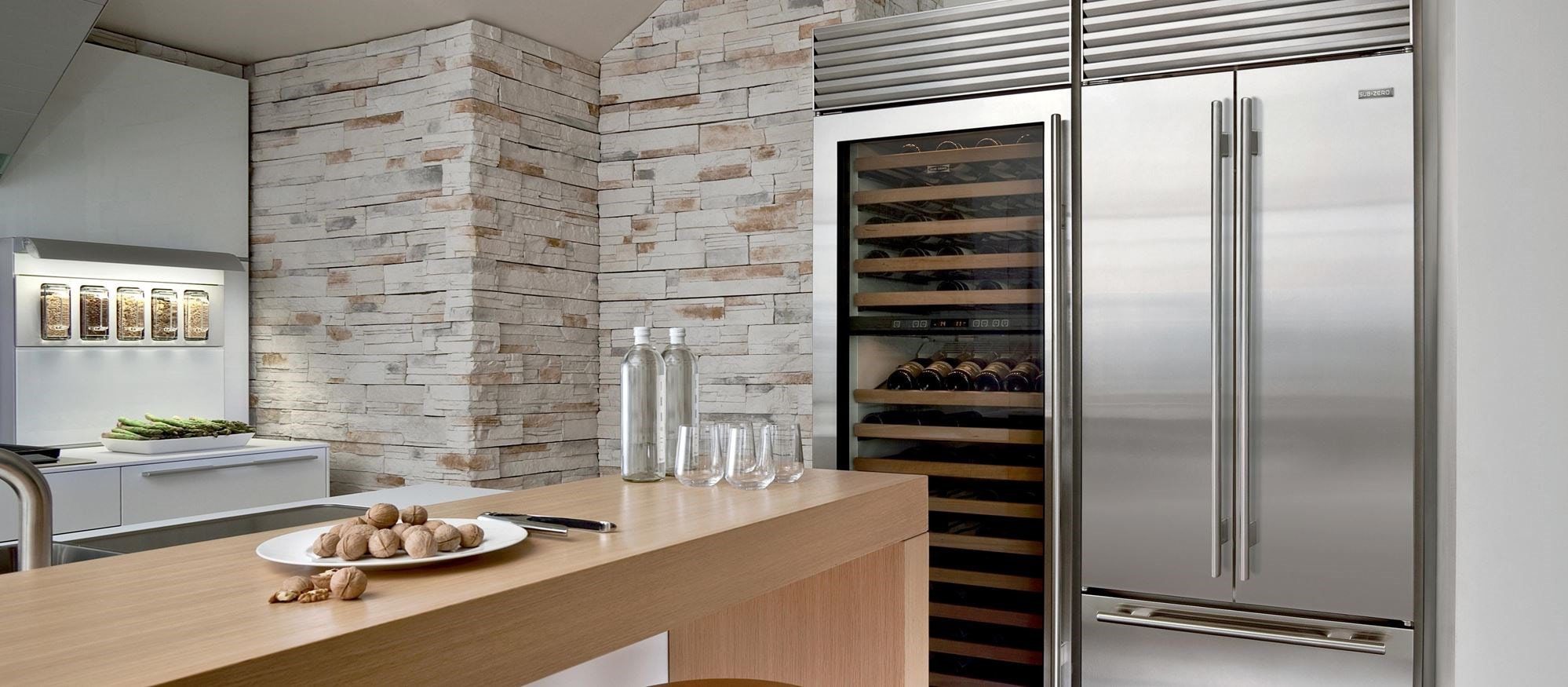
For homeowners in San Francisco and the Bay Area, seasonal maintenance can help improve efficiency, catch developing problems early, and reduce the risk of an unexpected breakdown.
Why Does Summer Put Extra Stress on a Refrigerator?
Refrigerators remove heat from inside the cabinet and release it into the surrounding room. When the kitchen is warmer, the appliance may need to run longer to maintain the correct internal temperature.
Add frequent door openings, warm groceries, and heavier summer use, and the cooling system may spend significantly more time operating. This does not automatically mean something is wrong.
1. Check the Condenser Area
The condenser plays an important role in releasing heat from the refrigeration system. Dust, pet hair, grease, and debris can accumulate around the condenser area over time and reduce airflow.
When this happens, the refrigerator may need to work harder to remove heat. Possible signs of reduced condenser airflow include:
- ●Longer compressor run times
- ●Higher cabinet temperatures
- ●Refrigerator running more often than usual
- ●Increased heat around the appliance
- ●Reduced cooling performance
2. Inspect the Door Gaskets
Warm air entering through a poor door seal can make the refrigerator run longer than necessary.
Inspect the gaskets around the refrigerator and freezer doors for:
- ●Cracks or tears
- ●Loose sections
- ●Dirt or sticky residue
- ●Areas that do not appear to contact the cabinet evenly
Keeping the gasket surfaces clean can help maintain a proper seal. If the door does not close securely or you can feel cold air escaping around the edges, the gasket or door alignment may need attention.
3. Make Sure Internal Airflow Is Not Blocked
An overfilled refrigerator can sometimes interfere with internal air circulation. Food containers or large items placed directly against interior vents can prevent cold air from moving evenly through the cabinet.
You may notice that one area stays cold while another feels warmer. Before fall, take a few minutes to reorganize the interior and make sure air vents are not blocked.
This is especially helpful after summer gatherings, when refrigerators may stay packed for long periods.
4. Check the Temperature
A refrigerator can feel cold while still operating outside its ideal range. If your Sub-Zero has a digital display, check whether temperatures remain stable rather than changing significantly throughout the day.
A temperature that gradually rises, fluctuates noticeably, or takes a long time to recover after the door is opened may indicate that the system is working harder than it should.
5. Listen for Changes in Sound
You probably know the normal sounds your refrigerator makes better than you realize. A change in sound can sometimes be one of the earliest signs of a developing problem.
Pay attention to:
- ●New buzzing or humming
- ●Rattling or clicking
- ●Unusual fan noises
- ●Repeated starting and stopping
- ●A refrigerator that suddenly seems much louder
Not every new sound indicates a failure, but a noticeable change combined with poor cooling or extended run times deserves attention.
6. Check for Moisture or Frost
Moisture inside the refrigerator or unusual frost in the freezer can point to a sealing, airflow, or defrost-related issue.
Look for:
- ●Water droplets around the door area
- ●Excessive condensation
- ●Frost buildup
- ●Ice forming where it normally does not
- ●Moisture collecting under drawers or shelves
A small amount of temporary condensation can occur after frequent door openings, especially during humid weather. Persistent moisture or frost is different and may require further diagnosis.
7. Pay Attention to How Long the Refrigerator Runs
During hot weather, longer cooling cycles can be normal. But once the hottest part of summer passes, the refrigerator should generally return to its usual operating pattern.
If your Sub-Zero:
- ●Runs almost continuously
- ●Rarely seems to shut off
- ●Takes much longer to cool after grocery loading
- ●Cannot maintain the set temperature
- ●Feels unusually warm around the cabinet
There may be an airflow, fan, sensor, condenser, or refrigeration-system issue.
What Can You Safely Check Yourself?
Before scheduling service, homeowners can perform several basic checks:
- ●Check refrigerator and freezer temperatures
- ●Inspect door gaskets and clean accessible gasket surfaces
- ●Make sure interior vents are not blocked
- ●Avoid overpacking shelves
- ●Listen for unusual sounds
- ●Look for condensation or frost
- ●Follow manufacturer-approved condenser maintenance instructions
When Should You Schedule Professional Service?
Seasonal maintenance is especially useful when you notice a clear change in performance. Consider professional diagnostics if:
- ●The refrigerator is running almost constantly
- ●Temperatures are unstable
- ●Food is not staying properly cold
- ●Frost continues to build up
- ●The refrigerator makes new or unusual noises
- ●The door is not sealing correctly
- ●The unit takes too long to recover after being opened
- ●A service or error indicator appears
A technician can inspect airflow, fans, sensors, condenser performance, door sealing, electrical components, and the refrigeration system to identify the actual cause.
Why Fall Is a Good Time for Refrigerator Maintenance
Fall is a useful transition period. Summer heat has already tested the cooling system, while the heavier holiday season is still ahead.
That makes late summer and early fall a practical time to identify small problems before the refrigerator is loaded with holiday food and used more heavily again.
Is Your Sub-Zero Ready for Fall?
Prime Fix provides professional Sub-Zero refrigerator diagnostics, maintenance, and repair throughout San Francisco and the Bay Area. If your refrigerator has been running longer, cooling unevenly, making unusual noises, or behaving differently after a hot summer, professional diagnostics can help identify the cause.
Need Sub-Zero Refrigerator Service in the Bay Area?
Prime Fix provides professional Sub-Zero refrigerator diagnostics, maintenance, and repair throughout San Francisco and the Bay Area.
If your refrigerator has been running longer, cooling unevenly, making unusual noises, or simply seems different after a hot summer, a professional inspection can help determine whether it needs routine maintenance or repair.
A refrigerator does not have to stop cooling completely to need attention. Checking its performance before fall can help keep it operating reliably as the next busy season approaches.