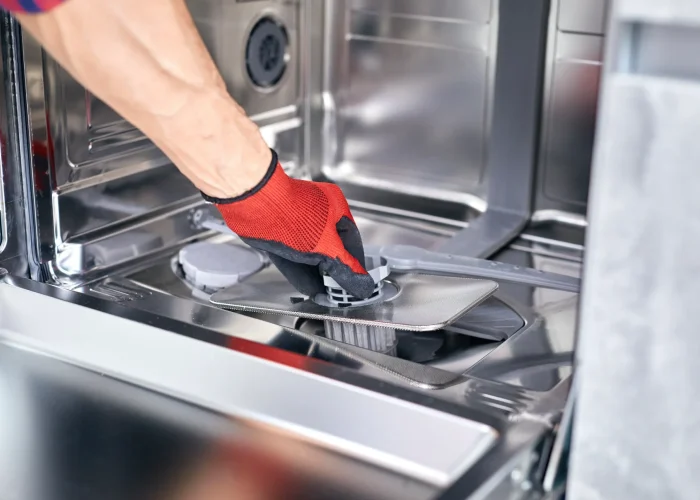
Opening your kitchen machine should result in a fresh scent, not a cloud of swampy air. If you notice a lingering funk, your unit is likely crying out for some maintenance. A grimy appliance can struggle to sanitize your plates effectively over time.
Organic buildup and hard water deposits often hide in the filter or behind the rubber seals. These trapped particles eventually cause those damp smells that fill your home every time you unload a cycle. Cleaning the interior regularly prevents these issues from taking over your kitchen.

Taking a little time for basic care saves you from future headaches and expensive repairs. Imagine having a spotless machine that works efficiently every single day. It is important to maintain a healthy home environment by keeping your cleaning tools in top shape.
We will show you exactly how to tackle the grime and restore total freshness to your utility room. Following these steps will help you achieve a deep clean that lasts for weeks. Let’s get your household chores back on track with a few simple tricks.
Key Takeaways
- Identify hidden food traps and debris.
- Scrub the filter components thoroughly.
- Use white vinegar for deep descaling.
- Wipe down the door gaskets and seals.
- Check the spray arms for mineral clogs.
- Run a high-temp cycle to kill bacteria.
Why Your Dishwasher Develops Unpleasant Odors
A smelly dishwasher is not just a nuisance; it’s a sign of underlying issues that need attention. Understanding the root causes of these odors is crucial for effective cleaning and maintenance.
Food Particle Buildup and Debris Trapped Inside
Food particles and debris can accumulate inside the dishwasher, causing unpleasant odors. This buildup can occur in various parts, including the filter, drain, and hidden crevices. Regularly checking and cleaning these areas can help mitigate the issue.
Grease and Soap Scum Accumulation
Grease and soap scum can also contribute to the foul smell. When these substances accumulate, they create an ideal environment for bacteria and mold to thrive. Using the right cleaning products can help reduce this buildup.
Mold and Mildew Growth in Hidden Areas
Mold and mildew can grow in the moist, hidden areas of the dishwasher. These microorganisms are a common cause of musty smells and can be challenging to eliminate. Ensuring good ventilation and regular cleaning can help prevent their growth.
Hard Water Mineral Deposits and Limescale
Hard water mineral deposits and limescale can leave behind residues that not only affect the performance of your dishwasher but also contribute to unpleasant odors. Using a water softener or a descaling product can help alleviate this problem.
Warning Signs Your Dishwasher Needs a Deep Clean
Recognizing the warning signs that your dishwasher needs a deep clean can save you from future hassles. Your dishwasher is working hard to keep your dishes clean, but over time, it can accumulate debris, grease, and food particles that affect its performance. If you’ve noticed any unusual smells, dirty dishes, or visible residue, it’s likely your dishwasher is sending out distress signals.
Musty or Rotten Egg Smell When You Open the Door
A musty or rotten egg smell is one of the most common indicators that your dishwasher needs a deep clean. This smell can be due to the buildup of food particles and debris inside the dishwasher. To eliminate this odor, it’s essential to check and clean the filter and ensure that your dishwasher is properly ventilated after each use.
Dishes Coming Out Dirty or with Spots
If your dishes are coming out dirty or spotted after a cycle, it could be a sign that your dishwasher is not cleaning effectively. This issue might be due to clogged spray arms or a dirty filter. Regularly checking and cleaning these parts can improve your dishwasher’s performance. Additionally, using a rinse aid can help prevent spots on your dishes.
Visible Residue or Film Inside the Dishwasher
A visible residue or film inside your dishwasher is another warning sign that it needs a deep clean. This residue can be due to grease, food particles, or detergent buildup. To address this, you can run a cleaning cycle with a dishwasher cleaner or a natural alternative like white vinegar.
| Warning Sign | Possible Cause |
|---|---|
| Musty or Rotten Egg Smell | Food particle buildup, poor ventilation |
| Dishes Coming Out Dirty or Spotted | Clogged spray arms, dirty filter |
| Visible Residue or Film | Grease, food particles, detergent buildup |
Essential Supplies for Cleaning Your Dishwasher
Before you start cleaning your dishwasher, it’s essential to gather the necessary supplies to ensure a thorough and effective cleaning process.
To effectively clean your dishwasher and prevent smelly dishwashers, you’ll need a combination of natural cleaning agents, commercial cleaners, and the right tools. Having these supplies on hand will make the cleaning process smoother and more efficient.
Natural Cleaning Agents You Already Have at Home
Natural cleaning agents are not only eco-friendly but also effective in deodorizing and cleaning your dishwasher. Some of the most useful natural cleaning agents include:
- White Vinegar: Excellent for deodorizing and descaling your dishwasher.
- Baking Soda: Great for absorbing odors and scrubbing away grime.
- Lemon Juice: Adds a fresh scent and can help break down grease.
These natural agents are likely already in your pantry, making them a convenient choice for cleaning your dishwasher.
Commercial Dishwasher Cleaners Worth Buying
While natural cleaning agents are effective, there are times when commercial dishwasher cleaners are necessary. These products are specifically designed to tackle tough grease, grime, and odors. Some popular options include:
- Affresh Dishwasher Cleaner: Designed to remove odor-causing residue and food particles.
- OxiClean Versatile Cleaner: Effective at removing tough stains and odors.
When choosing a commercial cleaner, ensure it’s compatible with your dishwasher model and follow the manufacturer’s instructions.
Tools and Materials You’ll Need
In addition to cleaning agents, you’ll need some basic tools and materials to clean your dishwasher effectively. These include:
| Tool/Material | Purpose |
|---|---|
| Soft-bristled brush | Cleaning the filter and other hard-to-reach areas |
| Microfiber cloth | Wiping down interior walls and door |
| Screwdriver | Removing the filter and other parts for cleaning |
Having these tools and materials ready will make the cleaning process more efficient and effective.
Step-by-Step Guide to Deep Cleaning Your Dishwasher
To freshen up your dishwasher and remove musty smells, follow this comprehensive guide. Deep cleaning your dishwasher regularly is essential to maintain its efficiency and hygiene.
Step 1: Empty and Inspect the Entire Dishwasher
Start by emptying your dishwasher completely. Remove all dishes, utensils, and racks. Inspect the interior for any visible debris or food particles. Check the bottom of the dishwasher and the filter area for any large food chunks.
Step 2: Remove and Clean the Filter
The filter is a common place for food particles and debris to accumulate. Locate the filter at the bottom of the dishwasher, and remove it according to the manufacturer’s instructions. Rinse it under running water to remove any loose debris. For a more thorough clean, soak the filter in warm soapy water.
Step 3: Clean the Spray Arms
Spray arms can become clogged with food particles and mineral deposits, reducing their effectiveness. Remove the spray arms and soak them in warm soapy water. Use a toothbrush or a small brush to clean out any debris from the spray nozzles.
Step 4: Wipe Down the Interior Walls and Door
Use a soft cloth or sponge with a mixture of warm water and mild detergent to wipe down the interior walls and door of the dishwasher. Pay special attention to the door seals and gaskets, as these areas can harbor mold and mildew.
Step 5: Run a Hot Cleaning Cycle
Finally, run a hot cleaning cycle with a dishwasher cleaner or a cup of white vinegar placed on the top rack. This will help to remove any remaining grease, food residue, and odors from the dishwasher.
| Step | Description | Tips |
|---|---|---|
| 1 | Empty and Inspect | Check for visible debris and food particles. |
| 2 | Clean the Filter | Soak in warm soapy water for a thorough clean. |
| 3 | Clean Spray Arms | Use a toothbrush to clean out spray nozzles. |
| 4 | Wipe Down Interior | Pay attention to door seals and gaskets. |
| 5 | Run Cleaning Cycle | Use a dishwasher cleaner or white vinegar. |
How to Clean Critical Dishwasher Components
To keep your dishwasher running efficiently and odor-free, it’s crucial to clean its critical components regularly. A clean dishwasher not only ensures your dishes are sanitized but also prolongs the appliance’s lifespan. In this section, we’ll delve into the essential parts that require regular maintenance and provide a step-by-step guide on how to clean them effectively.
Cleaning the Filter Assembly Thoroughly
The filter assembly is a critical component that traps food particles and debris, preventing them from being redeposited onto your dishes. Over time, it can become clogged, reducing the dishwasher’s efficiency and causing unpleasant odors.
Locating Your Dishwasher Filter
The location of the filter assembly varies depending on the dishwasher model. Typically, it’s found at the bottom of the dishwasher, either in a corner or under the lower rack. Consult your user manual or manufacturer’s website for specific instructions on locating the filter in your dishwasher model.
Proper Filter Cleaning Technique
To clean the filter, remove it according to the manufacturer’s instructions, then soak it in warm soapy water. Use a soft-bristled brush to gently scrub away any stubborn debris. Rinse thoroughly and dry before replacing it.
Unclogging Spray Arms and Nozzles
Spray arms distribute water throughout the dishwasher, ensuring dishes are cleaned evenly. Clogged spray arms can lead to poor cleaning performance and increased risk of dishwasher smells.
Removing Spray Arms Safely
To remove the spray arms, check if they can be detached by twisting or pulling them off. Some models may require a screwdriver to release a clip. Refer to your user manual for guidance.
Clearing Blocked Holes
Soak the removed spray arms in warm soapy water to loosen any debris. Use a toothbrush or small brush to clean out the holes, ensuring they’re free from blockages. Rinse thoroughly before reattaching.
Scrubbing Door Seals and Gaskets
Door seals and gaskets can harbor mold and mildew, contributing to dishwasher smells. Regularly inspect and clean these areas with a mixture of equal parts water and white vinegar on a soft cloth. Pay particular attention to the folds and crevices where debris tends to accumulate.
Cleaning the Drain Area and Sump
The drain area and sump can accumulate debris and grease, leading to odors and poor drainage. Check your user manual for instructions on how to access and clean these areas. Typically, you’ll need to remove any visible debris and wipe the area clean with a damp cloth.
| Component | Cleaning Method | Frequency |
|---|---|---|
| Filter Assembly | Soak in warm soapy water, scrub with soft-bristled brush | Monthly |
| Spray Arms | Soak in warm soapy water, clean holes with toothbrush | Every 2-3 months |
| Door Seals and Gaskets | Wipe with equal parts water and white vinegar | Weekly |
| Drain Area and Sump | Remove debris, wipe clean with damp cloth | Every 3-6 months |
Natural Cleaning Solutions vs. Commercial Products
When it comes to cleaning your dishwasher, you have a choice between natural cleaning solutions and commercial products. Both options have their advantages, and the best choice for you depends on your specific needs and preferences.
Natural cleaning solutions are often preferred for their eco-friendly and cost-effective benefits. They can be just as effective as commercial products in removing odors and grime from your dishwasher.
Using White Vinegar for Deodorizing and Descaling
White vinegar is a versatile and effective natural cleaning agent. It’s excellent for deodorizing and descaling your dishwasher. To use white vinegar, simply pour a cup of it into the dishwasher and run a hot water cycle. The acid in the vinegar helps break down grease and mineral deposits, leaving your dishwasher smelling fresh and clean.
Baking Soda for Odor Absorption and Scrubbing
Baking soda is another natural powerhouse for cleaning your dishwasher. It absorbs odors and can be used to scrub away tough grime. Sprinkle baking soda on the bottom of your dishwasher and run a hot water cycle to maximize its benefits. For tougher grime, you can make a paste with baking soda and water to scrub the interior.

Lemon Juice for Fresh Scent
Lemon juice adds a fresh, clean scent to your dishwasher. You can place lemon slices in the dishwasher or use lemon juice in a cleaning cycle. The citric acid in lemons helps cut through grease and leaves a refreshing aroma.
Commercial Dishwasher Cleaners: When to Use Them
Commercial dishwasher cleaners are formulated to tackle tough grime and odors. They’re particularly useful if you haven’t cleaned your dishwasher in a while or if you notice persistent odors. These products are designed to deep clean and maintain your dishwasher’s performance. However, they may contain harsh chemicals, so it’s essential to use them according to the manufacturer’s instructions.
In conclusion, both natural cleaning solutions and commercial products have their place in maintaining a clean and fresh-smelling dishwasher. By understanding the benefits of each, you can make an informed decision on how to best clean your appliance.
How to Get Rid of Dishwasher Smells Completely
Eliminating dishwasher smells requires a comprehensive approach that targets the root cause of the odor. To completely get rid of the smell, you need to understand where it’s coming from and take steps to address it.
Targeting the Source of the Odor
The first step in eliminating dishwasher smells is to identify the source of the odor. Common culprits include food particle buildup, grease and soap scum accumulation, mold and mildew growth, and hard water mineral deposits. Check your dishwasher’s filter, spray arms, and drain area for any blockages or debris.
Inspecting these areas regularly can help prevent odors from forming in the first place. Make sure to clean or replace the filter as needed, and ensure the spray arms are not clogged.
Deep Deodorizing Treatments That Actually Work
There are several deep deodorizing treatments you can try to eliminate dishwasher smells. One effective method is to run a hot water cycle with a dishwasher cleaner or a cup of white vinegar. You can also use baking soda to absorb any lingering odors.
For tougher odors, you may need to repeat the cleaning cycle a few times. Be sure to check your dishwasher’s manual for any specific recommendations on cleaning and maintenance.
Dealing with Stubborn Mildew and Mold Smells
Mildew and mold smells can be particularly challenging to eliminate. To tackle these odors, you’ll need to identify and address the source of the moisture. Check the dishwasher’s door seals and gaskets for any signs of mold or mildew.
Regularly cleaning and drying these areas can help prevent mildew and mold from growing. You can also use a solution of equal parts water and white vinegar to wipe down the affected areas.
The Vinegar and Baking Soda Power Combo
One of the most effective ways to eliminate dishwasher smells is to use a combination of vinegar and baking soda. This powerful duo can help break down tough odors and leave your dishwasher smelling fresh.
To use this method, pour a cup of baking soda into the dishwasher and run a hot water cycle. Then, pour a cup of white vinegar into the dishwasher and run another hot water cycle. This will help neutralize any remaining odors and leave your dishwasher smelling clean.
| Method | Description | Effectiveness |
|---|---|---|
| Vinegar and Baking Soda | Run a hot water cycle with baking soda, followed by a cycle with white vinegar | High |
| Dishwasher Cleaner | Run a hot water cycle with a dishwasher cleaner | Medium |
| Regular Cleaning | Regularly clean the filter, spray arms, and drain area | High |
Preventing Future Odors in Your Dishwasher
Preventing odors in your dishwasher is easier than you think with regular maintenance. By incorporating a few simple habits into your routine, you can keep your dishwasher smelling fresh and clean.
Daily Maintenance Habits for a Fresh-Smelling Dishwasher
Daily maintenance is key to preventing the buildup of debris and odors. Scrape off large food particles from dishes before loading them into the dishwasher. Regularly check and clean the filter to ensure it’s free from food residue.
Additionally, running a rinse cycle periodically throughout the day can help prevent the accumulation of food particles and debris.
Weekly and Monthly Cleaning Routines
On a weekly basis, inspect the dishwasher’s interior for any visible signs of debris or mold. Wipe down the door seals and gaskets to prevent the growth of mildew and mold.
Monthly, run a deep cleaning cycle using either a commercial dishwasher cleaner or a natural alternative like white vinegar and baking soda. This helps to remove grease and limescale buildup that can cause odors.
Proper Loading Techniques to Avoid Buildup
Loading your dishwasher correctly can significantly reduce the risk of odor-causing buildup. Ensure that dishes are not overcrowded, allowing water to flow freely between them. Face plates towards the center and avoid nesting items like bowls and cups.

Why You Should Leave the Door Ajar After Cycles
Leaving the dishwasher door slightly ajar after a cycle can help to reduce moisture buildup inside the appliance. This simple habit can prevent the growth of mold and mildew, keeping your dishwasher smelling fresh.
By following these tips and maintaining a regular cleaning routine, you can prevent future odors in your dishwasher and keep it running efficiently.
Common Dishwasher Cleaning Mistakes to Avoid
The path to a cleaner, fresher dishwasher begins with understanding and avoiding the most common cleaning mistakes. Many homeowners unintentionally compromise their dishwasher’s performance and hygiene by following incorrect practices. By being aware of these pitfalls, you can take proactive steps to maintain your appliance’s efficiency and freshness.
Using the Wrong Cleaning Products
One of the most significant mistakes is using inappropriate cleaning products. Harsh chemicals can damage your dishwasher’s components, while ineffective products might not tackle the root cause of the odor. Opt for gentle yet effective cleaners that are designed for dishwashers. For instance, using white vinegar or baking soda can be a great natural alternative for cleaning and deodorizing.
As Consumer Reports suggests, “Running a cleaning cycle with a dishwasher cleaner or a cup of white vinegar can help remove grease and food residue.” This simple step can significantly improve your dishwasher’s performance and freshness.
Neglecting the Filter for Too Long
Neglecting the filter is another common mistake. The filter traps food particles and debris, and if not cleaned regularly, it can become a breeding ground for bacteria and odors. Check your user manual to locate the filter and clean it every 1-2 months. A clean filter ensures that your dishwasher operates efficiently and effectively.
Overloading and Blocking Spray Arms
Overloading the dishwasher and blocking the spray arms can significantly reduce its cleaning capability. When the spray arms are obstructed, water and detergent cannot reach all dishes, leading to poor cleaning results and potential odor buildup. Ensure that dishes are loaded properly, allowing water to flow freely.
| Loading Technique | Effect on Dishwasher Performance |
|---|---|
| Overloading | Reduces water circulation and cleaning efficiency |
| Proper Loading | Ensures thorough cleaning and minimizes odor buildup |
| Blocking Spray Arms | Prevents water and detergent from reaching all dishes |
Skipping the Rinse Aid
Skipping the rinse aid is a mistake that can lead to spots on dishes and affect the overall performance of your dishwasher. Rinse aid helps water sheet off dishes, reducing spots and improving drying. Regular use of rinse aid can also contribute to a fresher-smelling dishwasher.
By avoiding these common mistakes, you can significantly improve your dishwasher’s performance and keep it smelling fresh. Regular maintenance, proper loading, and the right cleaning products are key to a well-functioning dishwasher.
When to Call a Professional Appliance Technician
When your dishwasher starts to show signs of more serious problems, like mechanical issues or persistent odors, it’s crucial to seek professional help. While regular cleaning and maintenance can resolve many issues, some problems require the expertise of a professional appliance technician.
Persistent Odors After Multiple Deep Cleanings
If you’ve deep cleaned your dishwasher multiple times and still experience lingering odors, it may indicate a more complex issue. Hidden mold or mildew in areas that are hard to reach or a faulty drain could be the culprit.
- Check for mold or mildew in hidden areas.
- Inspect the drain for any blockages.
Drainage Problems and Standing Water
Drainage issues can lead to standing water, which in turn can cause unpleasant odors and other problems. If your dishwasher doesn’t drain properly, it might be due to a clogged filter or a faulty drain pump.
- Check and clean the filter regularly.
- Inspect the drain pump for any issues.
Mechanical Issues and Strange Noises
Unusual noises or mechanical issues during the dishwasher’s operation can signal a significant problem. Grinding noises might indicate worn-out parts, while leaking could be due to a damaged door seal or hose.
Recognizing when to call a professional can save you time and money in the long run. If you’re unsure about how to address the issue or if the problem persists after your attempts to fix it, it’s time to consult a professional appliance technician.
Conclusion
Keeping your dishwasher clean and fresh is crucial for its optimal performance and longevity. By understanding the causes of dishwasher smells and following the steps outlined in this article, you can eliminate odors and ensure your dishes come out sparkling clean.
Regular maintenance is key to preventing the buildup of grease, food particles, and soap scum that can lead to unpleasant odors. By incorporating simple habits into your daily routine, such as leaving the door ajar after cycles and running regular cleaning cycles, you can freshen up your dishwasher and keep it running efficiently.
By taking the time to deep clean your dishwasher and maintain it regularly, you’ll not only eliminate dishwasher smells but also extend the lifespan of your appliance. A clean dishwasher is not just a matter of personal hygiene; it’s also essential for ensuring your dishes are thoroughly cleaned and sanitized.