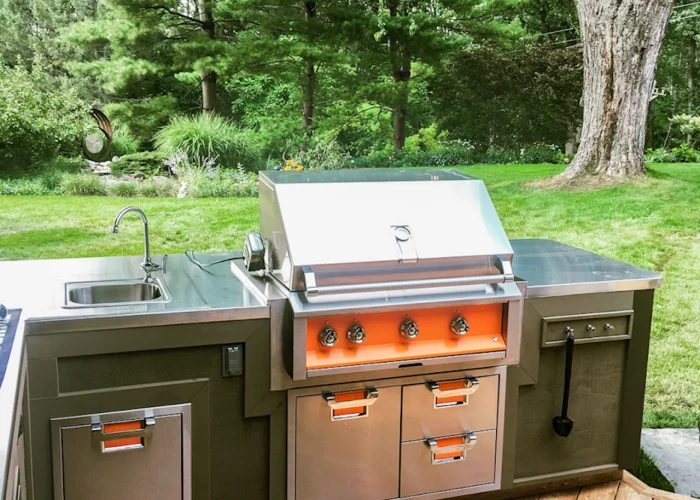
A Lynx grill is more than a backyard appliance — it is the centerpiece of a premium outdoor kitchen. Across San Francisco and the Bay Area, from foggy evenings near the coast to sunny weekends in Marin, the Peninsula, and the East Bay, outdoor cooking is part of the lifestyle. When your Lynx grill stops heating evenly, refuses to ignite, or starts acting unpredictable, the whole experience can quickly lose its ease.
Lynx grills are built for serious performance: heavy-duty stainless steel construction, powerful burners, precise controls, refined design, and the kind of durability homeowners expect from a luxury outdoor cooking system. But even premium equipment needs proper maintenance and careful diagnostics when something goes wrong.
This guide breaks down the most common Lynx grill issues, what they may indicate, what you can safely check yourself, and when it is time to bring in professionals who understand high-end BBQ and outdoor kitchen repair.
Why Lynx Grills Require Specialist Care
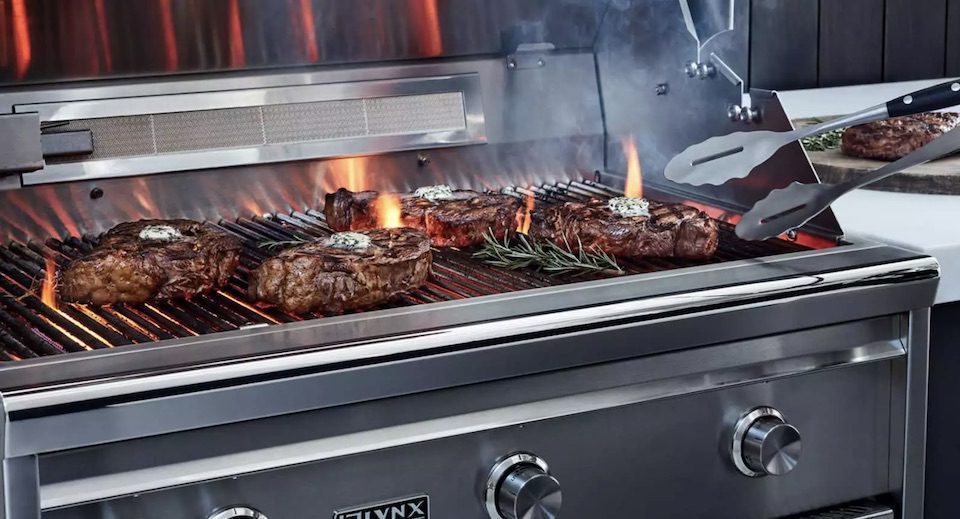
A Lynx grill is not a basic backyard BBQ. It is a high-end cooking system with premium burners, ignition components, control valves, heat distribution parts, rotisserie options, integrated lighting on select models, and stainless steel assemblies that need to work together with precision.
That level of engineering is exactly what makes Lynx feel premium — and it is also why guesswork can become expensive. A simple ignition issue may be caused by a worn electrode, weak spark, loose wire, moisture inside the ignition system, clogged burner ports, or a gas flow problem. Uneven heat may come from dirty burners, failing valves, damaged briquette trays, blocked air shutters, or worn heat distribution components.
Common Lynx Grill Problems We Repair
If your Lynx grill is not performing the way it should, the issue usually falls into one of several categories. Some are maintenance-related. Others require professional repair, especially when gas, ignition, electrical features, or internal components are involved.
| Problem | What It Could Mean | Recommended Action |
|---|---|---|
| Grill will not ignite | Weak igniter, dirty electrode, loose wiring, moisture, or gas supply issue. | Check gas supply and ignition battery first. If it still fails, schedule diagnostics. |
| Burners will not stay lit | Gas flow restriction, clogged burner ports, airflow imbalance, or valve issue. | Stop using the grill if the flame is unstable and call a professional. |
| Uneven heating | Dirty burners, damaged briquettes, blocked air shutters, or worn heat components. | Clean visible buildup. If the pattern remains uneven, request service. |
| Low or yellow flame | Poor air mixture, clogged orifices, regulator issue, or incorrect gas pressure. | Avoid adjusting gas components yourself. Have the system inspected. |
| Excessive flare-ups | Grease buildup, dirty trays, blocked burner area, or damaged heat shields. | Deep cleaning may help. Repeated flare-ups need professional inspection. |
| Knobs feel stiff or loose | Worn valve stem, damaged knob assembly, or internal valve issue. | Do not force the knob. Turn the grill off and schedule repair. |
1. Lynx Grill Will Not Ignite
One of the most common complaints is a Lynx grill that simply will not ignite. You turn the knob, press the igniter, hear clicking — but the burner never lights. In other cases, there is no spark at all.
The cause may be a dirty or worn electrode, weak ignition module, moisture in the system, loose wiring, a depleted battery, blocked burner ports, or an issue with gas delivery. If basic cleaning and battery replacement do not solve it, the grill needs a proper diagnostic check.
2. Burners Light but Go Out
Burners that light briefly and then go out may indicate poor gas flow, clogged ports, burner misalignment, airflow imbalance, or valve trouble. This is not a problem to ignore. A flame that cannot remain stable may point to incomplete combustion or inconsistent fuel delivery.
3. Uneven Heating Across the Cooking Surface
A premium grill should feel predictable. If one zone runs extremely hot while another barely sears, something is off. Uneven heating may be caused by clogged burners, grease buildup, damaged ceramic briquettes, worn flame tamers, blocked air shutters, or failing burner components.
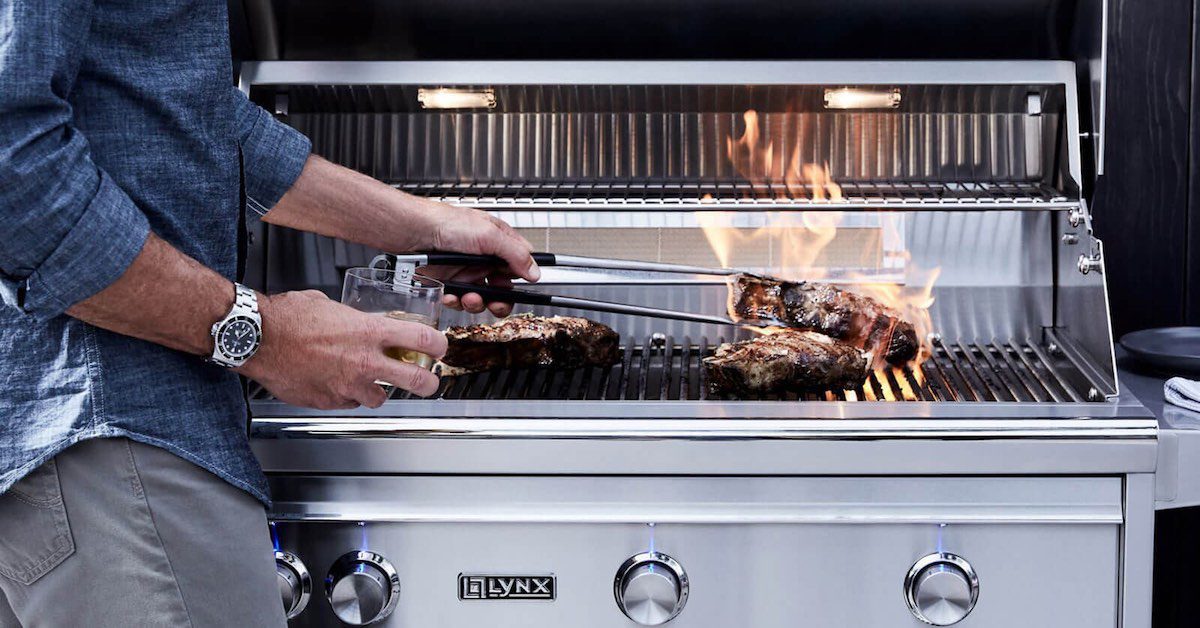 Uneven flame patterns, weak heat, or yellow flames can indicate blocked burners, poor airflow, or gas delivery issues.
4. Low Flame, Yellow Flame, or Weak Heat
A healthy grill flame should be strong, steady, and mostly blue. Yellow, lazy, weak, or inconsistent flames may indicate blocked burner ports, poor air mixture, clogged orifices, regulator problems, or incorrect gas pressure. Because gas flow and combustion are involved, this is an area where professional service is the safer choice.
5. Excessive Flare-Ups
Flare-ups are part of grilling, but constant or aggressive flare-ups are not normal. They usually point to grease accumulation, dirty briquette trays, blocked burner areas, or damaged heat distribution components. Over time, buildup inside the grill body can ignite once the grill reaches high temperature.
Step-by-Step: What to Check Before Calling for Service
Before scheduling repair, there are a few safe checks every homeowner can perform. These steps may help you identify whether the issue is simple maintenance or something that requires expert attention.
- 1Check the gas supplyMake sure the gas valve is open and the grill is receiving fuel.
- 2Inspect the burnersLook for visible grease, debris, corrosion, spider webs, or blocked burner ports.
- 3Clean the grates and grease trayHeavy buildup can affect heat distribution and create flare-ups.
- 4Observe the flame patternWeak, yellow, uneven, or unstable flames usually indicate a deeper issue.
- 5Avoid disassembling gas componentsIf the issue involves valves, regulators, burners, or internal lines, professional repair is the right move.
Tried the basics and your Lynx grill still will not perform?
When basic cleaning and simple checks do not solve the issue, it is time for a precise diagnostic. Prime Fix specializes in premium appliance and grill repair across San Francisco and the Bay Area, helping homeowners restore safe, reliable outdoor kitchen performance.
When DIY Is Not Enough
Some Lynx grill problems are not safe or practical to handle on your own. Call a professional if the grill will not ignite after basic checks, if the flame is yellow or unstable, if burners go out repeatedly, if control knobs feel stuck or loose, or if you smell gas near the grill.
A premium grill deserves a careful diagnosis — not trial and error. Replacing parts without understanding the root cause can leave the original issue unresolved and may create new problems, especially when the repair involves gas flow, ignition, or electrical features.
Why Bay Area Conditions Are Tough on Outdoor Grills
The Bay Area has one of the most beautiful outdoor living environments in California, but the climate can be demanding on outdoor appliances. San Francisco fog, coastal air, seasonal moisture, dust, pollen, and temperature swings all leave their mark over time.
In coastal neighborhoods, moisture and salt in the air can accelerate corrosion on exposed components. In hillside homes, wind can affect flame stability. In warmer inland areas, grills often see heavier seasonal use, increasing grease buildup and wear on burners, valves, igniters, and control parts.
What Professional Lynx Grill Repair Includes
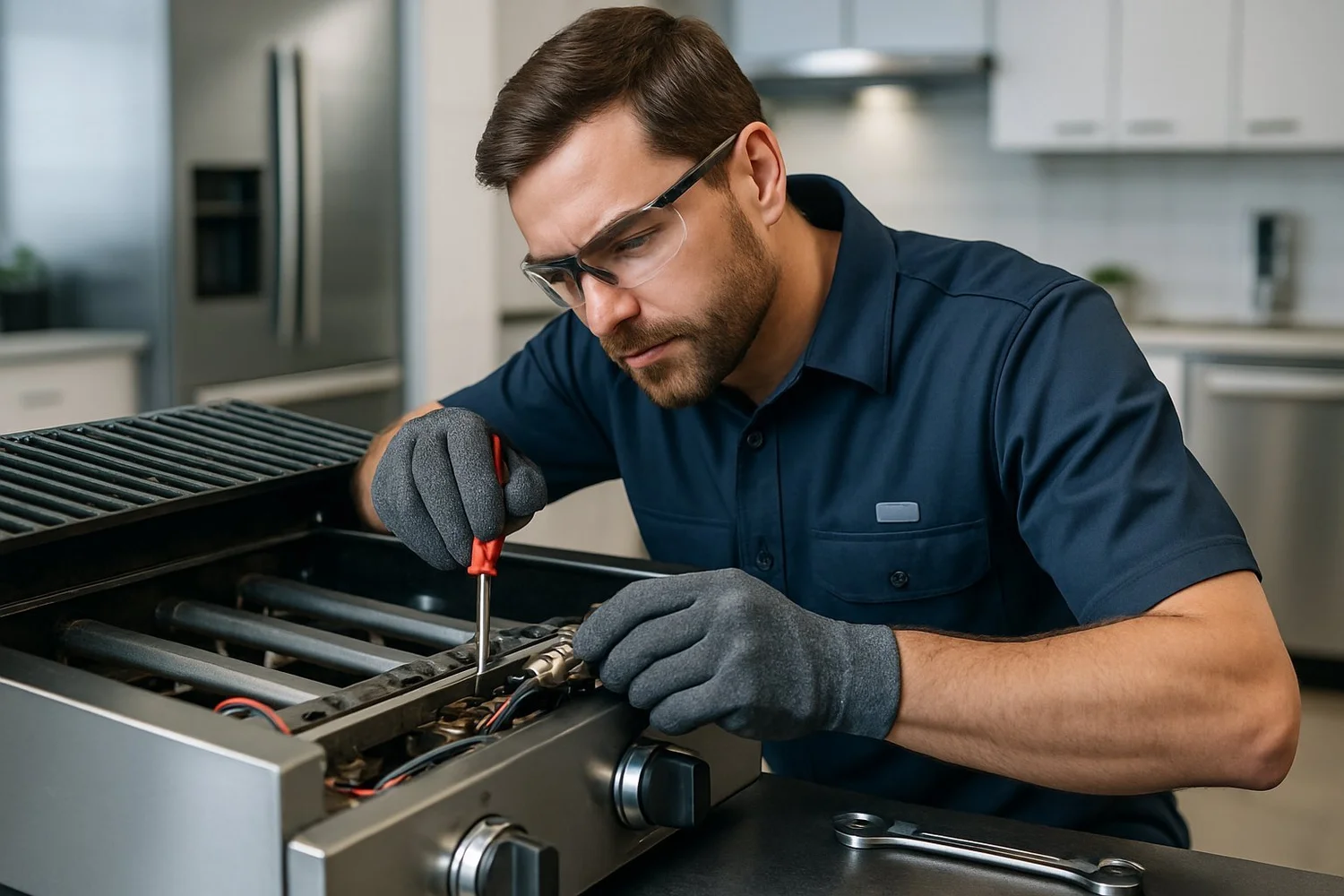
A proper repair starts with diagnosis. A technician should not simply replace parts and hope for the best. With a luxury grill, the entire system matters: ignition, gas flow, burners, valves, flame pattern, ventilation, heat distribution, and safety.
- ●Burner inspection for clogged ports, corrosion, misalignment, or worn components.
- ●Ignition diagnostics including electrodes, spark modules, wiring, and ignition batteries where applicable.
- ●Gas flow review involving valves, regulator behavior, flame quality, and supply consistency.
- ●Heat distribution check for briquette trays, flame tamers, burner alignment, and airflow issues.
- ●Feature testing for rotisserie systems, lights, switches, and other integrated components.
Maintenance Tips to Keep Your Lynx Grill Performing Like New
Think of your Lynx grill like a luxury vehicle: it is built to perform, but it still benefits from routine care. These maintenance habits can help prevent many common problems.
- ●Clean cooking grates after every use. This improves cooking consistency and reduces buildup.
- ●Empty the grease tray regularly. A full tray increases flare-up risk.
- ●Inspect burners seasonally. Look for clogged ports, corrosion, or uneven flame patterns.
- ●Keep the grill covered when not in use. This helps protect it from moisture, dust, and debris.
- ●Schedule annual professional maintenance. A yearly inspection can catch small issues before they become expensive repairs.
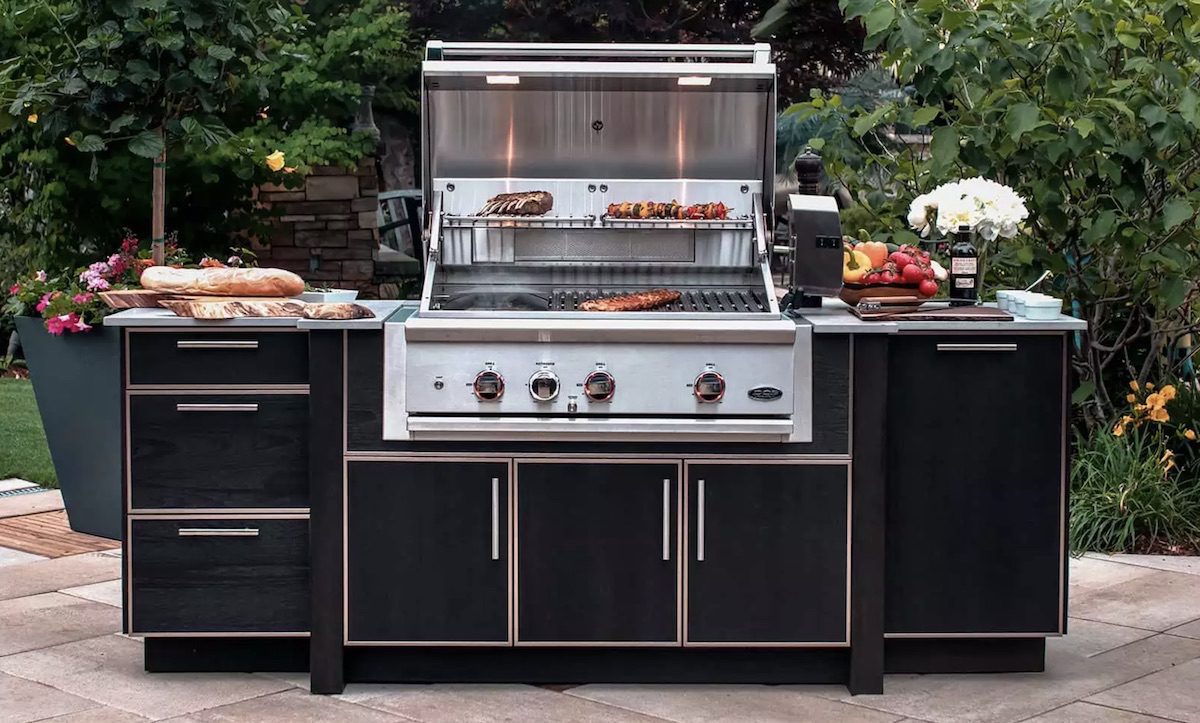 Annual maintenance helps protect ignition reliability, burner performance, heat distribution, and the overall lifespan of your grill.
Why Choose Prime Fix for Lynx Grill Repair in the Bay Area?
When your Lynx grill stops working, you want more than a basic appliance visit. You want a technician who understands premium equipment, respects your outdoor kitchen, and knows how to diagnose the issue correctly.
Prime Fix provides professional appliance and grill repair service across San Francisco and the greater Bay Area. Whether your Lynx grill has ignition trouble, burner issues, weak flame, uneven heating, control problems, or accessory failures, the Prime Fix team can inspect the unit and help restore it to proper performance.
For homeowners in San Francisco, Marin, the Peninsula, the East Bay, and nearby Bay Area communities, that means local service with a premium mindset — careful diagnostics, clean workmanship, and respect for the investment you have made in your outdoor kitchen.
Final Thoughts: Do Not Let a Small Grill Problem Become a Bigger Repair
A Lynx grill is built to deliver high-level performance, but when something feels off, it is better to act early. Ignition delays, weak flames, uneven heat, excessive flare-ups, and stiff controls are all signs that your grill needs attention.
Start with the safe basics: check the gas supply, clean visible buildup, inspect the burners, and observe the flame pattern. If the issue does not improve, do not keep forcing the grill to work. Continuing to use a malfunctioning gas grill can make the problem worse and may create safety risks.