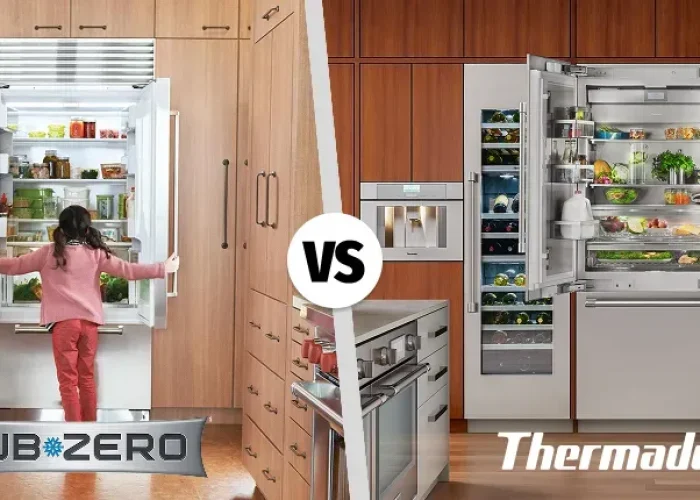
In the world of premium kitchen appliances, Sub-Zero and Thermador occupy rare air. Both brands command serious price tags, serious reputations, and serious loyalty from homeowners across San Francisco and the greater Bay Area. But when it comes to performance, longevity, and the all-important repair equation — they are not the same.
Whether you’re furnishing a new home in Marin, renovating a kitchen in the Peninsula, or deciding whether to repair or replace an aging unit, this guide cuts through the marketing and gives you the real-deal breakdown.
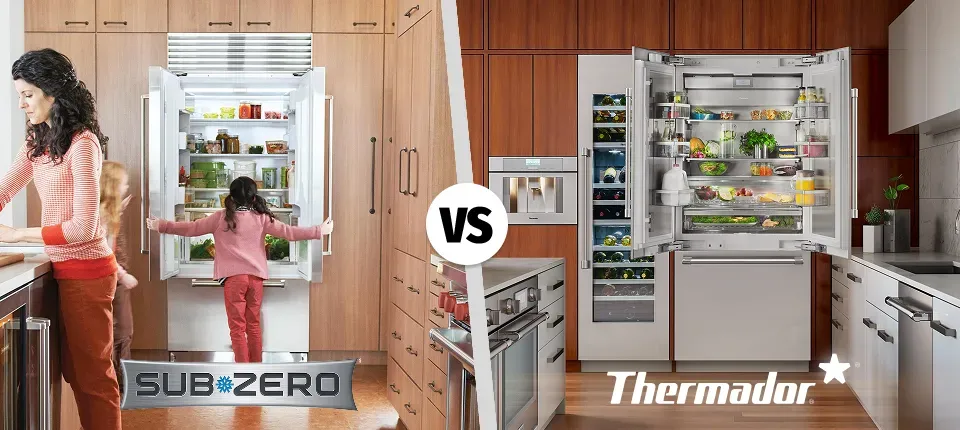
Brand Heritage: Who Built the Legacy?
Understanding where these brands come from helps explain why they perform differently — and why their repair profiles differ significantly.
Sub-Zero: The Refrigeration Specialist
Founded in 1945 in Madison, Wisconsin, Sub-Zero has done exactly one thing for nearly eight decades: build the finest refrigeration systems money can buy. The company pioneered the concept of the built-in refrigerator, invented dual refrigeration — separate compressors for the fridge and freezer — and has never been acquired by a conglomerate. That independence matters: every engineering decision Sub-Zero makes is about refrigeration, full stop.
Today, Sub-Zero is part of the Sub-Zero Group, which also owns Wolf for cooking appliances and Cove for dishwashers. But the refrigeration DNA has never been diluted.
Thermador: The Full-Kitchen Visionary
Thermador’s roots go back to 1916, and the brand has long been celebrated for cooking appliances — particularly its iconic Star Burner rangetop. The company was acquired by BSH Home Appliances in 1998, giving it access to significant engineering resources. Thermador refrigerators are sophisticated, well-built, and genuinely premium — but refrigeration is one item in a broader lineup, not the singular obsession.
Head-to-Head: The Key Differences
| Category | Sub-Zero | Thermador |
|---|---|---|
| Refrigeration Focus | Dedicated refrigeration specialist — it’s all they do. | Full kitchen suite brand; refrigeration is one product line. |
| Compressor System | Dual compressor system with separate cooling for fridge and freezer. | Single or dual compressor depending on model. |
| Average Lifespan | 20–25+ years with proper maintenance. | 15–20 years with proper care. |
| Food Preservation | Air purification, precise temperature control, strong humidity management. | FreshProtect system and solid humidity management. |
| Design Flexibility | Panel-ready, column, built-in, and integrated options. | Panel-ready and built-in options with strong suite cohesion. |
| Repair Value | Very strong — high replacement cost and long lifespan make repair attractive. | Strong — especially when the appliance is part of a matching kitchen suite. |
Performance Deep Dive
Temperature Consistency
This is where Sub-Zero earns its reputation. The dual compressor system means the refrigerator and freezer each have dedicated cooling — they don’t share air, humidity, or odors. The result is a refrigerator compartment that holds temperature with exceptional precision, even during the prolonged door openings of a busy household.
Thermador performs admirably here, particularly in its higher-end Freedom and Column models, which use advanced sensors and precise fan control. The gap isn’t enormous — but for food preservation purists, Sub-Zero’s separation of systems is hard to argue against.
Food Preservation Technology
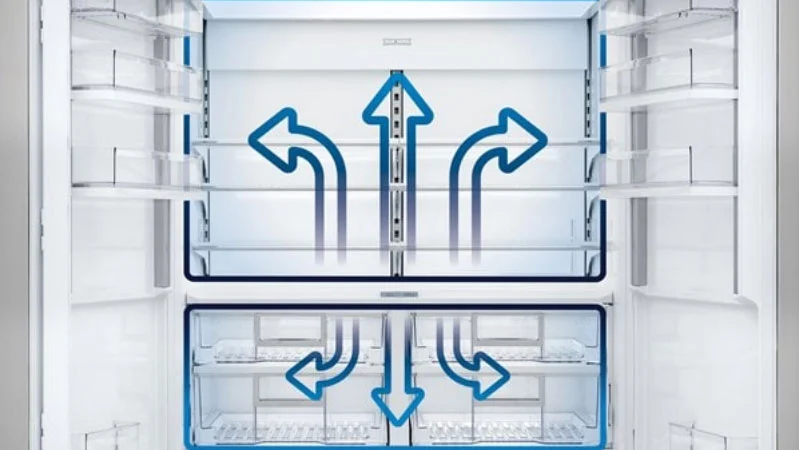
Sub-Zero’s proprietary air purification system is a genuine differentiator. It is designed to help reduce ethylene gas, which accelerates ripening and spoilage. Thermador’s FreshProtect system similarly manages humidity and airflow, but it does not offer the same singular refrigeration-first philosophy.
Design & Integration
Both brands excel at disappearing into custom cabinetry. Thermador arguably has an edge in suite cohesion — if you want a matching refrigerator, range, dishwasher, and wall oven all wearing the same aesthetic, Thermador’s lineup is exceptionally harmonious. Sub-Zero wins on refrigeration-specific flexibility: the column refrigerator and freezer concept, where separate units are installed side by side, remains one of the most elegant premium kitchen solutions.
The Repair Question: Which Is Worth Fixing?
This is the question that actually matters when something goes wrong. And the answer is nuanced — it depends on the unit’s age, the nature of the repair, and the brand’s parts ecosystem.
Common Repair Issues by Brand
Sub-Zero common repairs: condenser coil cleaning, evaporator fan motor replacement, door gasket replacement, compressor service on older units, and control board issues in older models. A well-maintained Sub-Zero often has a long useful life after these repairs.
Thermador common repairs: ice maker failures, electronic control board malfunctions, water inlet valve issues, and condenser maintenance. Thermador units are generally reliable, but electronics-related issues can appear more frequently depending on the model and age.
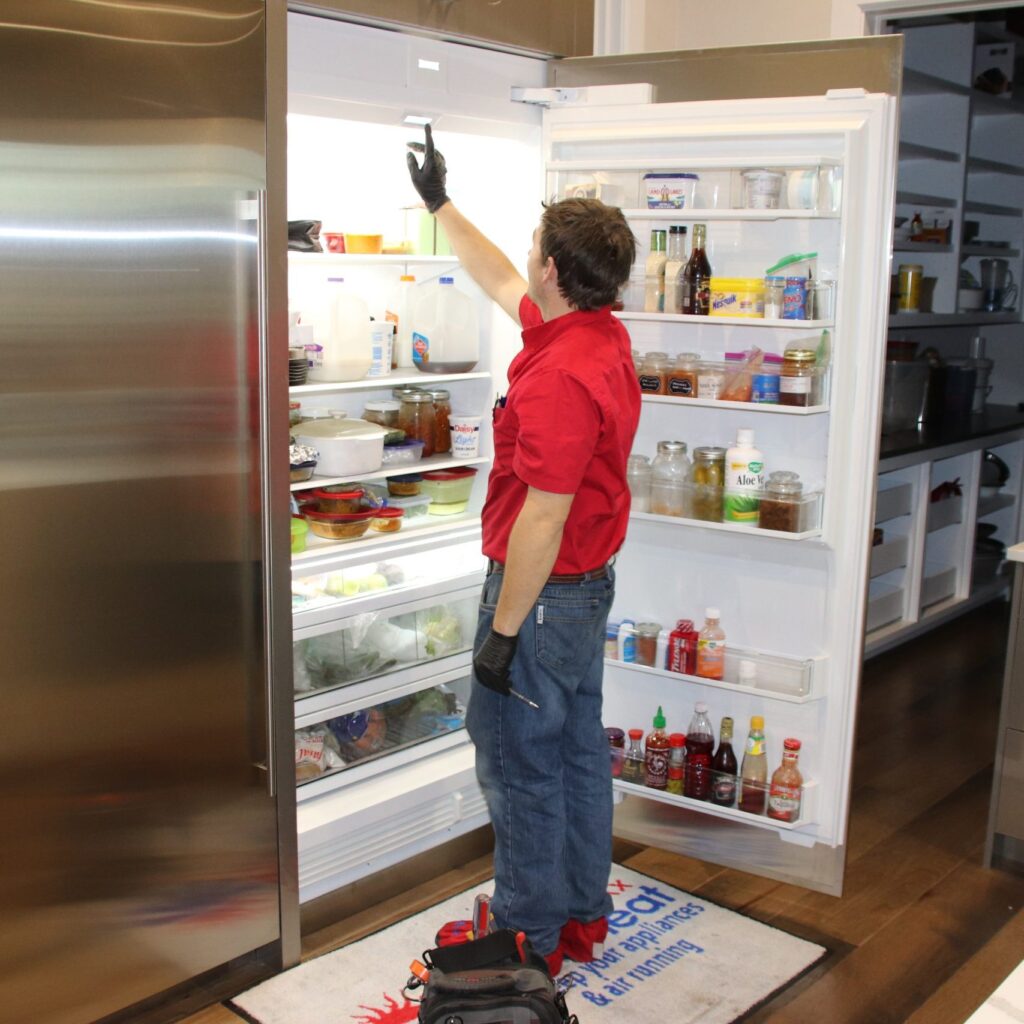
Is your Sub-Zero or Thermador acting up?
Whether it’s a cooling issue, a blinking error light, warm compartments, strange noises, or something you just can’t pin down — Prime Fix specializes in premium appliance diagnostics across San Francisco and the entire Bay Area.
When to Repair vs. Replace: A Practical Framework
Regardless of which brand you own, these questions help clarify the repair-or-replace decision:
- ●How old is the unit? Under 10 years, repair almost always makes sense. Between 10 and 15 years, repair is still usually the smart move when the rest of the appliance is in good condition. Beyond that, the specific brand, repair cost, and maintenance history matter.
- ●What failed? Door gaskets, fans, sensors, ice makers, and many control issues are usually worth repairing. Major sealed-system problems require a more careful estimate.
- ●What’s the replacement cost? Premium built-in refrigeration is expensive. Even a repair that feels costly can be more practical than replacing a fully integrated luxury appliance.
- ●Is the unit under warranty? Always check your documentation before approving major repair work. Some sealed-system components may have extended coverage depending on the model and age.
- ●Has it been maintained? A well-maintained appliance has dramatically better repair outcomes than one that has been neglected for years.
The Verdict: Which Brand Wins?
For pure refrigeration performance, longevity, and long-term repair economics, Sub-Zero edges ahead. The dual compressor approach, strong preservation technology, premium parts ecosystem, and fanatical focus on refrigeration make it a standout choice for homeowners who want the best possible cooling performance.
That said, Thermador is not a consolation prize. For homeowners building a cohesive luxury kitchen suite, or those who prioritize cooking appliance quality alongside refrigeration, Thermador’s ecosystem is compelling. Its refrigerators are excellent, refined, and very much in the premium category.
The honest take: if you’re choosing purely on refrigeration merit, Sub-Zero has the advantage. If you’re equipping an entire kitchen and suite cohesion matters, Thermador deserves serious consideration.
Extending the Life of Either Brand
Regardless of which unit you own or choose, these maintenance habits will dramatically extend its useful life and prevent many costly repairs:
- ●Clean the condenser coils annually. This single step prevents many cooling failures. A soft brush or vacuum along the base grille can add years of reliable performance.
- ●Inspect door gaskets every 6 months. Run a dollar bill along the seal. If it pulls out easily with the door closed, the gasket may need attention.
- ●Do not block ventilation clearances. Both brands need proper airflow for heat dissipation. Cabinetry modifications can sometimes compromise these clearances.
- ●Schedule annual professional maintenance. A qualified technician can spot worn components, verify performance, and run diagnostics before a small issue becomes expensive.
- ●Address small issues immediately. Irregular ice maker cycles, a door that does not seal perfectly, or a slightly louder fan can be early warning signs.