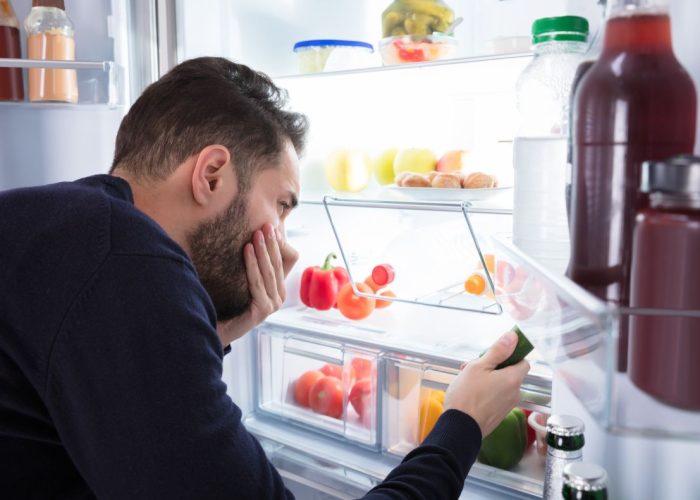
Your refrigerator feels cold. The display shows a normal temperature. The milk is chilled, the compressor seems to be running, and there are no obvious signs that the appliance has stopped working. But something is different: produce wilts faster, dairy products do not seem to last as long, or leftovers spoil sooner than they used to.
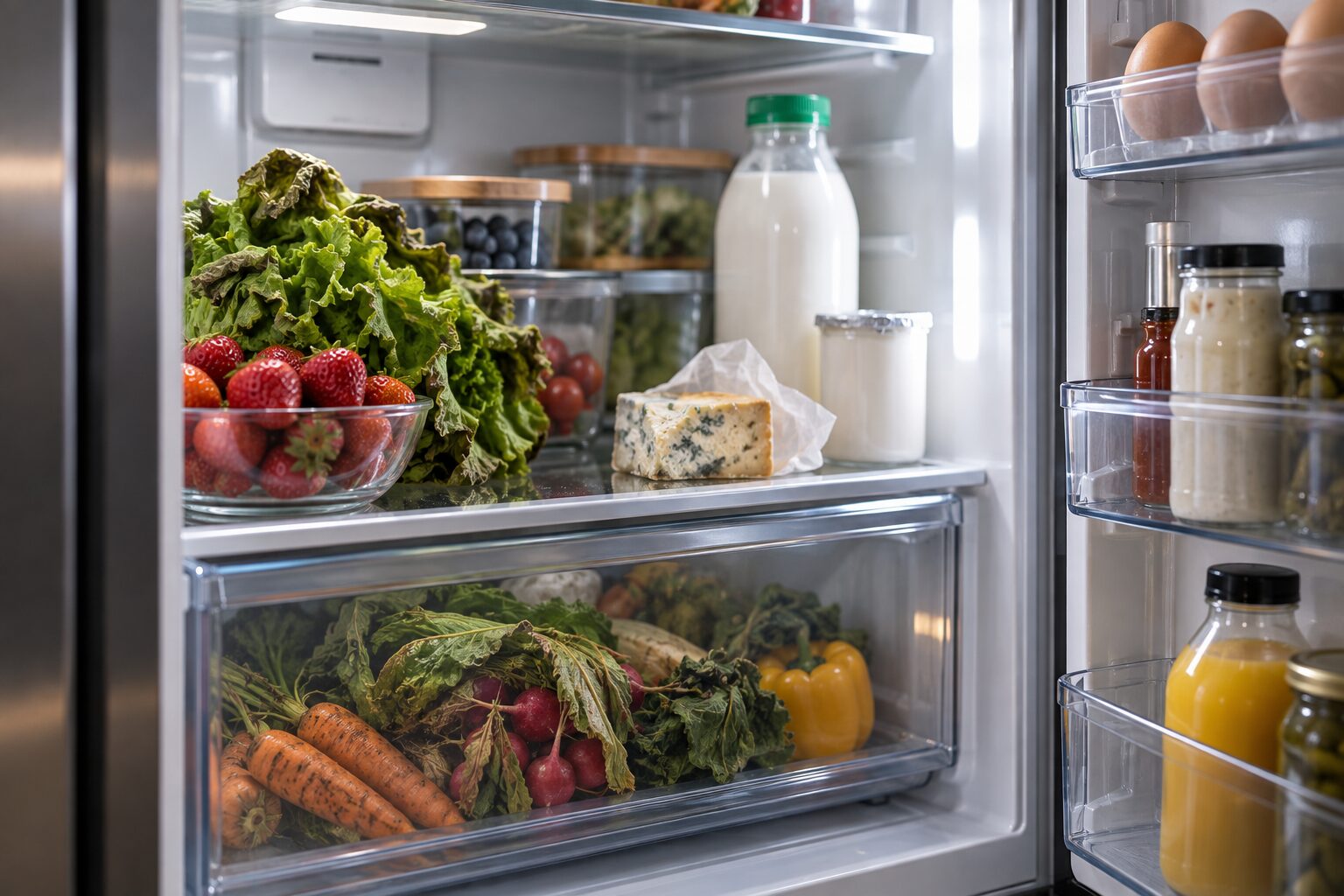
When this happens, it is easy to assume the problem is with the food itself. But a refrigerator can still feel cold while struggling to maintain the consistent temperature and airflow needed for proper food storage.
Here are some of the most common reasons this happens — and what homeowners in San Francisco and the Bay Area can check before scheduling refrigerator service.
1. The Display Temperature May Not Tell the Whole Story
Seeing 37°F on the refrigerator display can be reassuring, but the number on the panel does not necessarily tell you the temperature of every shelf, drawer, and container inside the refrigerator at every moment.
Refrigerators cycle on and off, doors are opened throughout the day, and temperatures naturally vary somewhat throughout the compartment. The bigger concern is when those fluctuations become excessive or certain areas consistently remain warmer than they should.
If food is suddenly spoiling faster, an appliance thermometer can provide useful information about what is actually happening inside the fresh-food compartment.
2. Cold Air May Not Be Reaching Every Part of the Refrigerator
A refrigerator does more than simply create cold air. It also needs to distribute that air throughout the compartment. If airflow becomes restricted, one area may remain properly chilled while another becomes noticeably warmer.
You might notice:
- ●Food near the back stays very cold
- ●Items near the front spoil sooner
- ●One shelf seems warmer than another
- ●Produce does not last as long as it used to
- ●Some items occasionally freeze while others are not cold enough
Food containers, large trays, bottles, or tightly packed shelves can interfere with normal airflow. Before assuming there is a mechanical failure, check how the refrigerator is loaded and make sure visible air vents are not blocked.
3. An Overpacked Refrigerator Can Create Warm Zones
A full refrigerator is not necessarily a problem. But there is a difference between a well-stocked refrigerator and one packed so tightly that air cannot circulate.
Large containers placed directly in front of vents can prevent cold air from reaching other areas. Food pushed tightly against the back or sides can also affect circulation depending on the refrigerator design.
4. The Door Gasket May Be Letting Warm Air In
A refrigerator door can appear closed without sealing as tightly as it once did. The gasket — the flexible seal around the door — helps keep cold air inside and warmer room air outside.
Check for:
- ●Visible gaps around the gasket
- ●Torn or damaged sections
- ●Areas that no longer sit flat against the cabinet
- ●Food packages preventing the door from closing fully
- ●A door that seems easier to open than before
- ●Moisture or condensation near the door area
Clean accessible gasket surfaces according to the manufacturer’s instructions and make sure nothing inside the refrigerator is interfering with door closure. If the gasket is damaged or the door appears misaligned, professional inspection may be needed.
5. The Door May Be Opened More Often Than You Realize
Every time the refrigerator door opens, warmer room air enters the compartment. Under normal conditions, the appliance compensates for this. But frequent or prolonged door openings can create larger temperature swings — especially when combined with another developing cooling or airflow problem.
If the problem seems worse during periods of heavy kitchen use, door-opening habits are worth considering alongside the refrigerator’s overall performance.
6. Food Placement Can Make a Difference
Not every area inside a refrigerator experiences exactly the same conditions. The door, for example, is generally exposed to more temperature variation than interior shelving because it moves away from the refrigerated compartment every time the appliance is opened.
Different refrigerator designs also have different airflow patterns, drawers, cooling zones, and recommended storage locations. If highly perishable foods are consistently spoiling in one particular area, try comparing how similar items perform elsewhere in the refrigerator.
If multiple types of food are spoiling faster throughout the entire compartment, however, the problem is less likely to be storage placement alone.
7. The Temperature Sensor May Not Be Reading Conditions Correctly
Modern refrigerators rely on temperature sensors to help determine when cooling is needed. If a sensor is inaccurate or begins responding incorrectly, the refrigerator may not cool as consistently as expected.
Possible signs can include:
- ●Temperatures that fluctuate more than before
- ●Food spoiling despite a normal display setting
- ●Sections becoming too warm or too cold
- ●Cooling cycles that seem different from normal
- ●Unexpected freezing in some areas
Sensor problems are not something homeowners can reliably diagnose by looking at the appliance. A technician can compare actual temperatures with system readings and test the relevant components.
8. An Internal Fan May Not Be Moving Air Properly
Many refrigerators use fans to circulate cold air. If a fan is slowing down, obstructed, or failing, the refrigerator may still produce cold air but struggle to distribute it evenly.
This can create one of the most misleading refrigerator problems: part of the compartment feels cold enough, while another area is too warm. You may also notice unusual noises, changes in airflow, or temperature differences between shelves.
Because fan location and operation vary by refrigerator design, internal fan problems are best diagnosed professionally rather than by disassembling panels yourself.
9. Frost or Ice Buildup Can Interfere With Airflow
Unexpected frost or ice is more than a cosmetic issue. Depending on where it develops, ice buildup can interfere with airflow and prevent cold air from circulating properly through the refrigerator.
Watch for:
- ●Frost appearing where it normally does not
- ●Ice near vents or interior panels
- ●A refrigerator section becoming warmer while another remains very cold
- ●Temperature problems that improve temporarily and then return
Recurring frost can point to several different issues, so repeatedly removing visible ice without determining why it formed may only provide temporary relief.
10. The Refrigerator May Be Losing Cooling Performance Gradually
Not every refrigeration problem causes an immediate, dramatic failure. Sometimes performance declines slowly.
The refrigerator may still run. The lights work. The display looks normal. Drinks feel cold. But the appliance takes longer to recover after the door is opened, temperatures fluctuate more than they used to, or the system can no longer maintain consistent cooling throughout the compartment.
That is why food spoiling faster can sometimes be an early warning sign rather than simply a food-storage problem. The underlying cause could involve airflow, a fan, a sensor, the defrost system, condenser performance, or another part of the refrigeration system.
Refrigerator Feels Cold but Food Spoils: What to Look For
| What You Notice | Possible Cause | First Step |
|---|---|---|
| Food spoils but display looks normal | Actual temperature differs from displayed reading | Check with an appliance thermometer |
| One shelf is warmer | Restricted airflow | Check for blocked vents and overcrowding |
| Food near the door spoils first | Temperature fluctuation or door-seal issue | Check gasket and food placement |
| Refrigerator is packed tightly | Poor internal air circulation | Reorganize shelves and leave room for airflow |
| Condensation near the door | Possible gasket or door-closing problem | Inspect accessible gasket surfaces |
| Some food freezes while other food is warm | Airflow or temperature-control issue | Check food placement and monitor temperatures |
| Frost keeps returning | Possible airflow or defrost issue | Schedule diagnostics if it persists |
| Food spoils throughout the refrigerator | Cooling, sensor, fan, or system issue | Measure temperature and consider professional service |
What Can You Check Yourself?
Before scheduling a service visit, there are several useful things you can do without disassembling the refrigerator:
- ●Check the actual temperature with an appliance thermometer
- ●Make sure visible air vents are not blocked
- ●Avoid packing shelves too tightly
- ●Check that the refrigerator door closes completely
- ●Inspect accessible door-gasket surfaces
- ●Look for unusual frost, ice, or condensation
- ●Notice whether one shelf or drawer seems warmer than the others
- ●Pay attention to unusual fan or operating noises
When Is It Time for Professional Refrigerator Diagnostics?
A single container of food spoiling early does not necessarily mean there is something wrong with the refrigerator. A pattern is different.
Consider scheduling service if:
- ●Different foods are consistently spoiling earlier than expected
- ●Actual refrigerator temperature is too high despite a normal setting
- ●Temperature varies significantly between different areas
- ●The refrigerator takes unusually long to recover after the door is opened
- ●You notice recurring frost or ice buildup
- ●The door no longer seals properly
- ●Food freezes in some areas while other areas remain too warm
- ●Reorganizing the shelves and clearing vents does not improve the problem
Don’t Judge Refrigerator Temperature by Touch Alone
This is probably the most important takeaway. A refrigerator interior can feel cold while still being warmer or less stable than it should be for food storage.
Your hand cannot reliably distinguish between temperatures that may make a meaningful difference for perishable food. And a normal-looking display does not necessarily reveal temporary temperature spikes or warmer zones elsewhere inside the compartment.
Food Spoiling Faster Even Though Your Refrigerator Feels Cold?
Prime Fix provides professional refrigerator diagnostics, maintenance, and repair throughout San Francisco and the Bay Area. We can evaluate actual temperatures, airflow, door sealing, sensors, fans, cooling performance, and other components to identify why food-storage conditions have changed.
Need Refrigerator Service in San Francisco or the Bay Area?
If your refrigerator appears to be running normally but food has started spoiling faster, Prime Fix can help determine what is actually happening inside the appliance.
Prime Fix provides professional refrigerator diagnostics, maintenance, and repair throughout San Francisco and the Bay Area, including service for high-end and built-in refrigeration systems.
A refrigerator does not have to feel warm to have a cooling problem. If food is consistently lasting less time than it used to, that change itself may be worth investigating.