A Sub-Zero ice maker is easy to take for granted until the ice bin stops keeping up. On a warm Bay Area weekend, the difference between a full bin and a nearly empty one becomes obvious fast — especially when the kitchen is hosting dinner, the patio is open, or the house is full of guests.
Slow ice production does not always mean the ice maker has failed completely. The freezer may be slightly too warm. Water flow may be restricted. A filter may be overdue. The fill tube can freeze, the inlet valve can weaken, the ice bin may not be seated correctly, or the appliance may simply be working harder because doors are opening more often during summer.
In San Francisco and across the Bay Area, summer conditions are not always about extreme heat. Coastal fog, warmer inland afternoons, frequent entertaining, outdoor dining, and larger beverage demand can all change how quickly a household goes through ice. The key is understanding whether the ice maker is simply under heavier use or whether a real performance problem is developing.
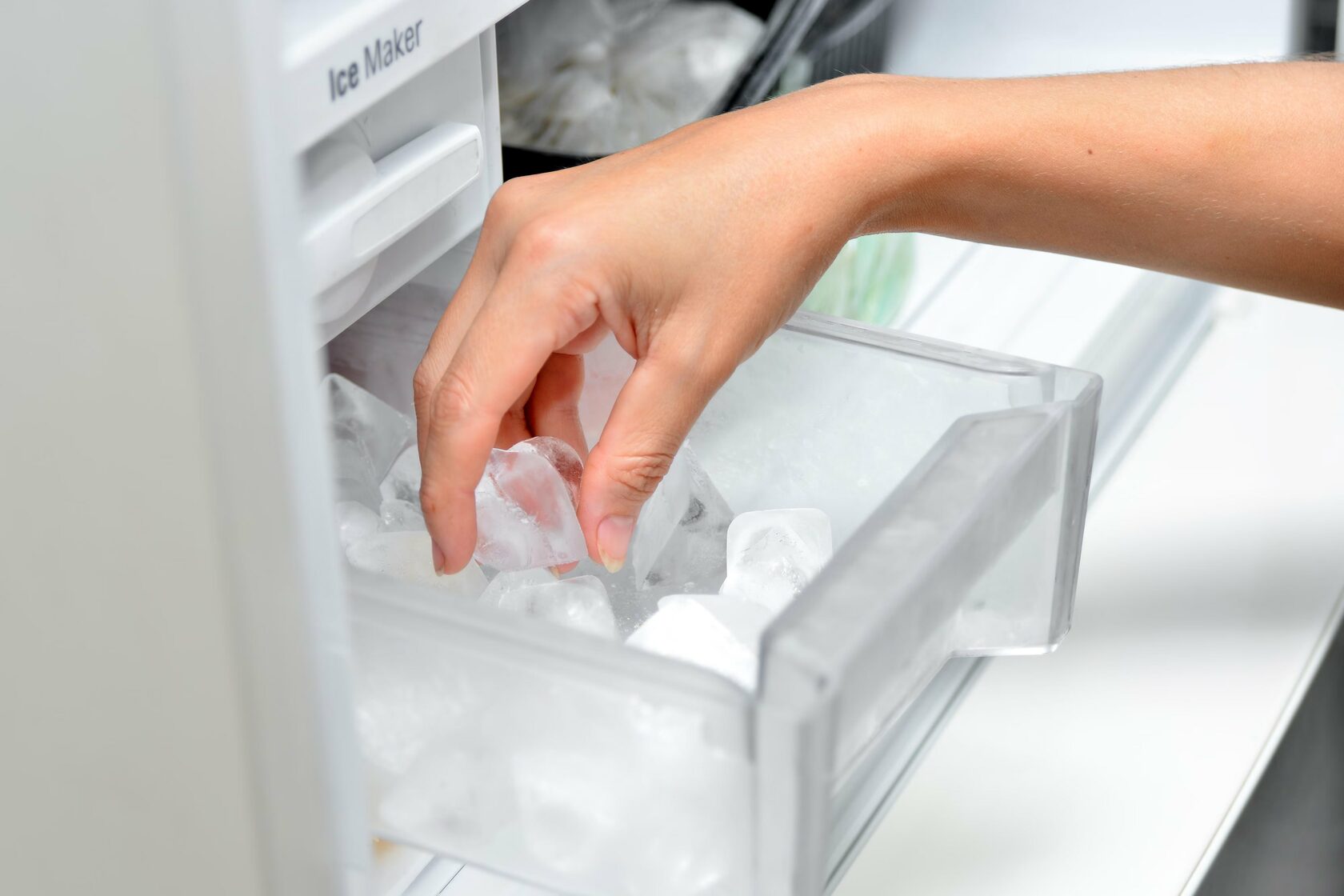
Is the Ice Maker Actually Producing Too Slowly?
Before assuming there is a failure, look at the pattern. Has the ice bin been empty for a full day, or is the household simply using ice faster than usual? Did the issue begin after a filter replacement, a power interruption, a long period away from home, or a recent increase in freezer temperature?
A single warm afternoon with repeated door openings can temporarily slow ice production. A recurring shortage, however, usually points to temperature, water supply, airflow, controls, or a mechanical issue. If the bin never fills the way it used to, the change is worth investigating.
Common Causes at a Glance
| Possible Cause | What You May Notice | What It Affects |
|---|---|---|
| Freezer Too Warm | Soft ice cream, slower freezing, temperature display higher than usual. | Ice freezes more slowly and cycles take longer. |
| Restricted Water Flow | Small cubes, hollow cubes, slow fill, fewer batches. | The mold does not receive enough water per cycle. |
| Old or Clogged Filter | Reduced water flow, smaller cubes, slower production. | The ice maker receives water too slowly. |
| Frozen Fill Tube | Little or no water reaches the ice mold. | Production may slow sharply or stop. |
| Weak Inlet Valve | Inconsistent fill, long pauses, undersized cubes. | Water delivery becomes unreliable. |
| Ice Maker or Sensor Issue | Production starts and stops, bin stays partly empty. | The system may not begin or complete cycles correctly. |
1. The Freezer Is Not Cold Enough
Ice production depends on freezer temperature. If the compartment is even a few degrees warmer than it should be, water takes longer to freeze and the ice maker completes fewer cycles. The freezer may still feel cold to the touch, but not cold enough for normal ice output.
Look for related symptoms: soft ice cream, food that takes longer to freeze, frost near the door, a temperature display that climbs during the day, or a compressor that seems to run continuously. Possible causes include blocked airflow, a weak door seal, dirty condenser coils, fan trouble, defrost problems, or a deeper refrigeration issue.
2. Water Flow Is Restricted
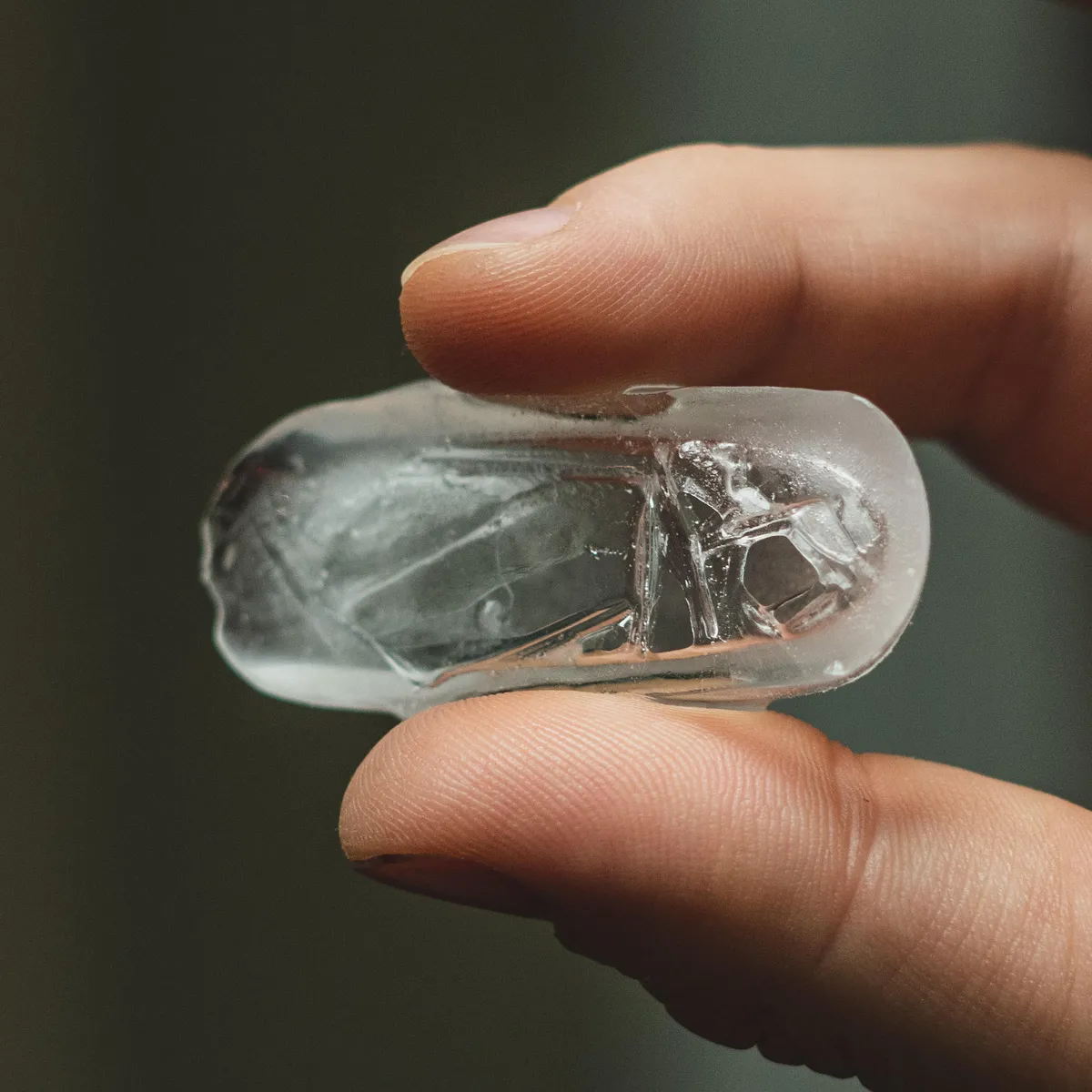
The ice maker can only produce a full batch when it receives the right amount of water. Restricted flow often shows up as small cubes, hollow cubes, incomplete rows, or unusually long gaps between batches.
The restriction may come from a partially closed shutoff valve, a kinked supply line, low household water pressure, a clogged filter, or mineral buildup. In some Bay Area homes, older plumbing or recent remodeling can also change pressure at the refrigerator without affecting every fixture in an obvious way.
3. The Water Filter Is Overdue or Not Seated Correctly
A water filter can gradually restrict flow as it collects sediment. The change may be subtle at first: ice production slows, cubes become smaller, and the bin takes longer to refill after a busy evening.
Problems can also begin immediately after a filter change if the replacement is not fully seated or the system still contains air. If the timing matches a recent filter replacement, inspect the installation and allow the water system to purge according to the appliance instructions.
4. The Fill Tube Is Frozen
The fill tube delivers water into the ice maker. If it freezes, the mold may receive only a small amount of water or none at all. A frozen tube can result from a leaking inlet valve, incorrect freezer conditions, or moisture freezing at the tube opening.
Visible ice around the fill area is a clue, but do not force tools into the tube or apply uncontrolled heat. The underlying cause needs to be identified, or the blockage may return soon after it is cleared.
5. The Water Inlet Valve Is Weak or Inconsistent
The inlet valve opens when the ice maker requests water. If the valve is weak, partially blocked, or not opening consistently, the mold may underfill. This produces smaller batches and can make the ice maker seem slow even though the cycling mechanism is still operating.
Valve problems require proper electrical and water-flow testing. Replacing the ice maker assembly without checking the valve can leave the original problem untouched.
Still waiting all day for a half-empty ice bin?
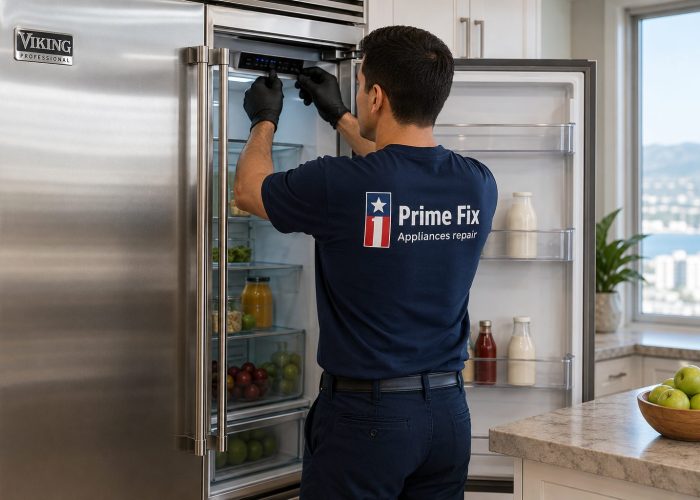
If temperature checks, filter inspection, and basic water-supply checks do not restore production, Prime Fix can diagnose the freezer, ice maker, inlet valve, fill tube, controls, and water system across San Francisco and the Bay Area.
6. The Ice Maker Is Turned Off, Jammed, or Misreading the Bin
Sometimes the system stops because it believes the bin is full or because the ice maker was switched off accidentally. Depending on the model, a control setting, sensing arm, bin position, or internal sensor may affect production.
Remove obvious ice jams only if they are accessible without forcing components. Make sure the bin is seated correctly and that no bag, package, or loose cube is interfering with the sensing area. Where equipped, a temporary high-production or Max Ice setting can help the system catch up, but it will not correct a water-flow or temperature problem.
7. Frequent Door Openings Are Raising the Freezer Temperature
Summer entertaining changes appliance use. The freezer door opens more often, ice is removed repeatedly, and warm room air enters the compartment. The system must first recover temperature before it can freeze the next batch efficiently.
This does not mean you have to stop using the freezer normally. But if the door gasket is already weak, the condenser is dirty, or airflow is restricted, frequent opening can reveal a problem that was previously easy to miss.
8. Condenser Maintenance Is Overdue
Sub-Zero refrigeration depends on efficient heat removal. When the condenser area becomes coated with dust, pet hair, kitchen residue, or remodeling debris, the system may run longer and hold a slightly higher temperature under load.
Ice production is often one of the first performance areas homeowners notice because it depends on consistently low freezer temperatures. If the unit is running more than usual or displaying a condenser-related warning, cleaning and professional inspection may be necessary.
Safe Checks Bay Area Homeowners Can Perform
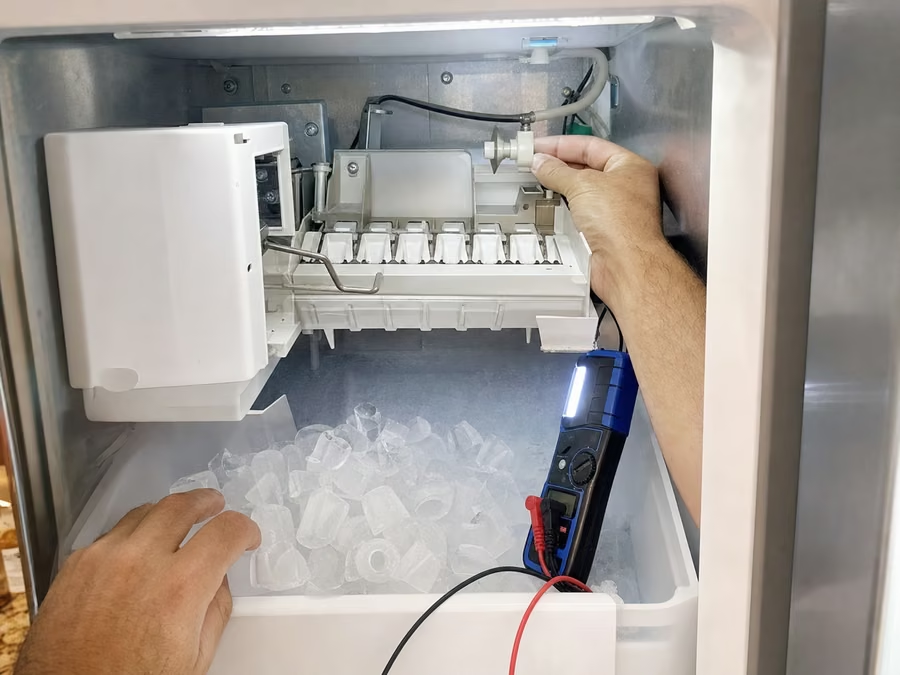
Before scheduling service, you can complete a few basic checks without removing internal panels or working on water and electrical components.
- ●Check the freezer temperature. Make sure the setting has not changed and note whether food is also softer than usual.
- ●Inspect the cube size. Small, hollow, or incomplete cubes often point toward restricted water flow.
- ●Confirm the ice maker is on. Review the control setting and verify that the bin is installed correctly.
- ●Check the filter status. If replacement is overdue or production slowed immediately after replacement, inspect the filter installation.
- ●Look for frost or water. Ice around the fill area, water under the bin, or unusual frost may help locate the problem.
- ●Give the system recovery time. After heavy use, allow the freezer to stabilize before judging production over the next several cycles.
When the Problem Needs Professional Diagnosis
Schedule service if the ice maker produces little or no ice after temperature and filter checks, if cubes remain unusually small, if the fill tube repeatedly freezes, if water leaks into or under the bin, or if the freezer is not maintaining temperature.
Professional testing may involve freezer temperature verification, water pressure measurement, inlet valve testing, sensor checks, inspection of the fill tube, ice maker cycling tests, condenser evaluation, and diagnosis of the refrigeration system. The goal is to identify the cause before replacing parts.
Why Choose Prime Fix for Sub-Zero Ice Maker Repair?
A Sub-Zero ice maker is part of a premium refrigeration system. Slow production may originate in the ice maker, but it can also be caused by the freezer, water supply, condenser, sensors, controls, or installation. That is why accurate diagnosis matters.
Prime Fix provides careful Sub-Zero refrigeration and ice maker diagnostics across San Francisco, Marin, the Peninsula, the East Bay, the South Bay, and surrounding Bay Area communities. If your ice maker cannot keep up with summer demand, the team can evaluate the complete system and recommend the right repair path.
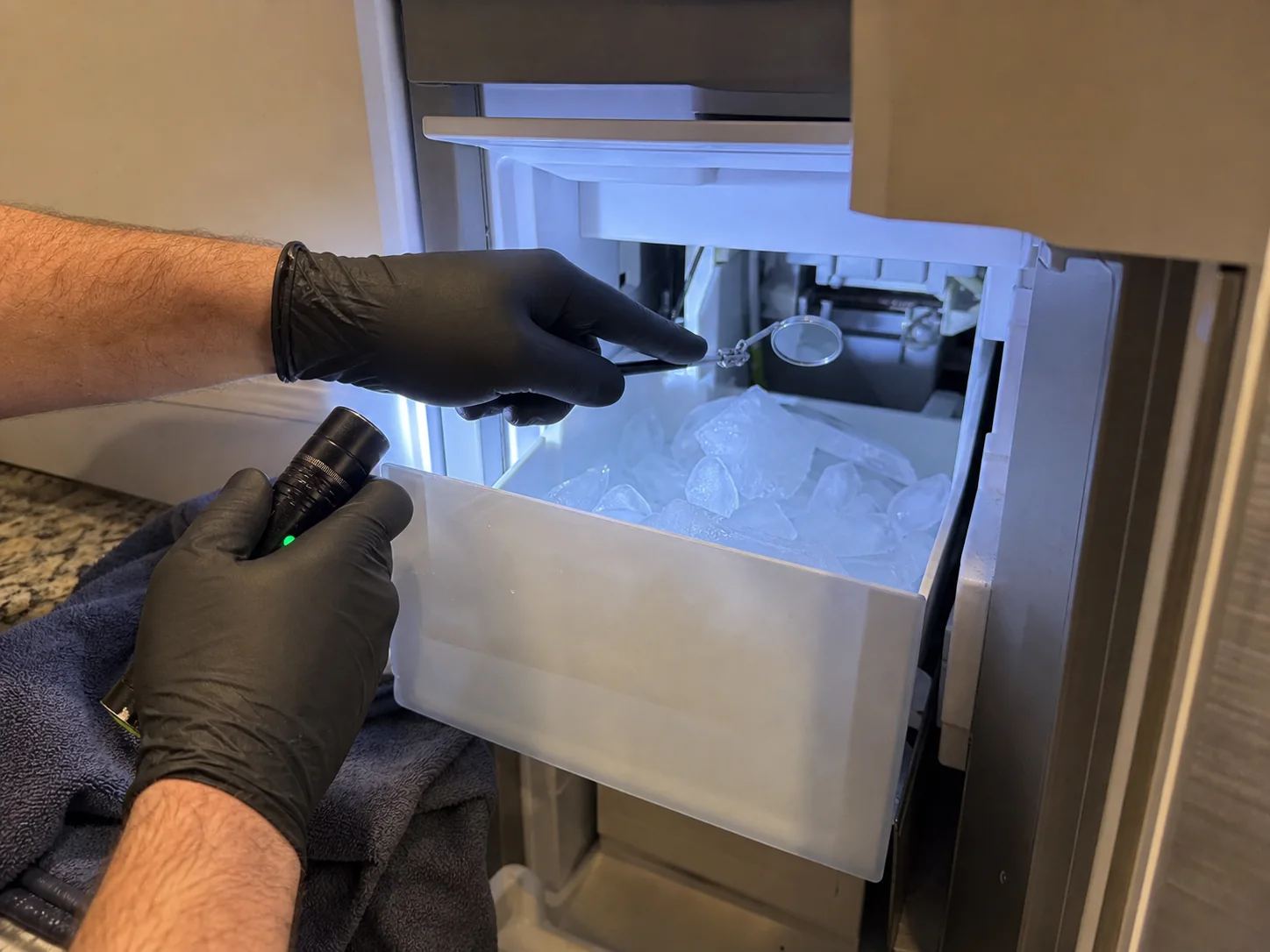 Proper service restores more than ice production — it helps the freezer maintain temperature and keeps the entire refrigeration system working efficiently.
Final Thought: Summer Demand Should Not Empty the Bin Every Day
A busy household may use more ice in summer, but a healthy Sub-Zero system should still recover steadily. If production has changed noticeably, the appliance is telling you that temperature, water flow, airflow, or an ice maker component needs attention.
Start with safe basics: check the freezer temperature, inspect cube size, confirm the ice maker is on, review the filter, and allow recovery time after heavy use. If the bin still stays half empty, contact Prime Fix for professional Sub-Zero ice maker repair in San Francisco and the Bay Area.