A Viking refrigerator is built to feel powerful, polished, and dependable. In a premium Bay Area kitchen, it is expected to hold temperature quietly in the background — protecting fresh produce, seafood, wine, meal prep, and everything else that makes the home run smoothly.
So when a Viking refrigerator is not cold enough, the issue deserves attention quickly. Maybe the refrigerator compartment feels slightly warm. Maybe drinks are not as cold as usual. Maybe the freezer seems fine, but the fresh food section struggles. Or maybe the unit runs constantly and still cannot reach the set temperature.
Across San Francisco and the greater Bay Area, Viking refrigerators also deal with specific local conditions: coastal moisture, dust, pet hair, kitchen remodel cabinetry, power fluctuations, and heavier summer use when homes are hosting more often. The result can be a cooling problem that starts small but gets expensive if ignored.
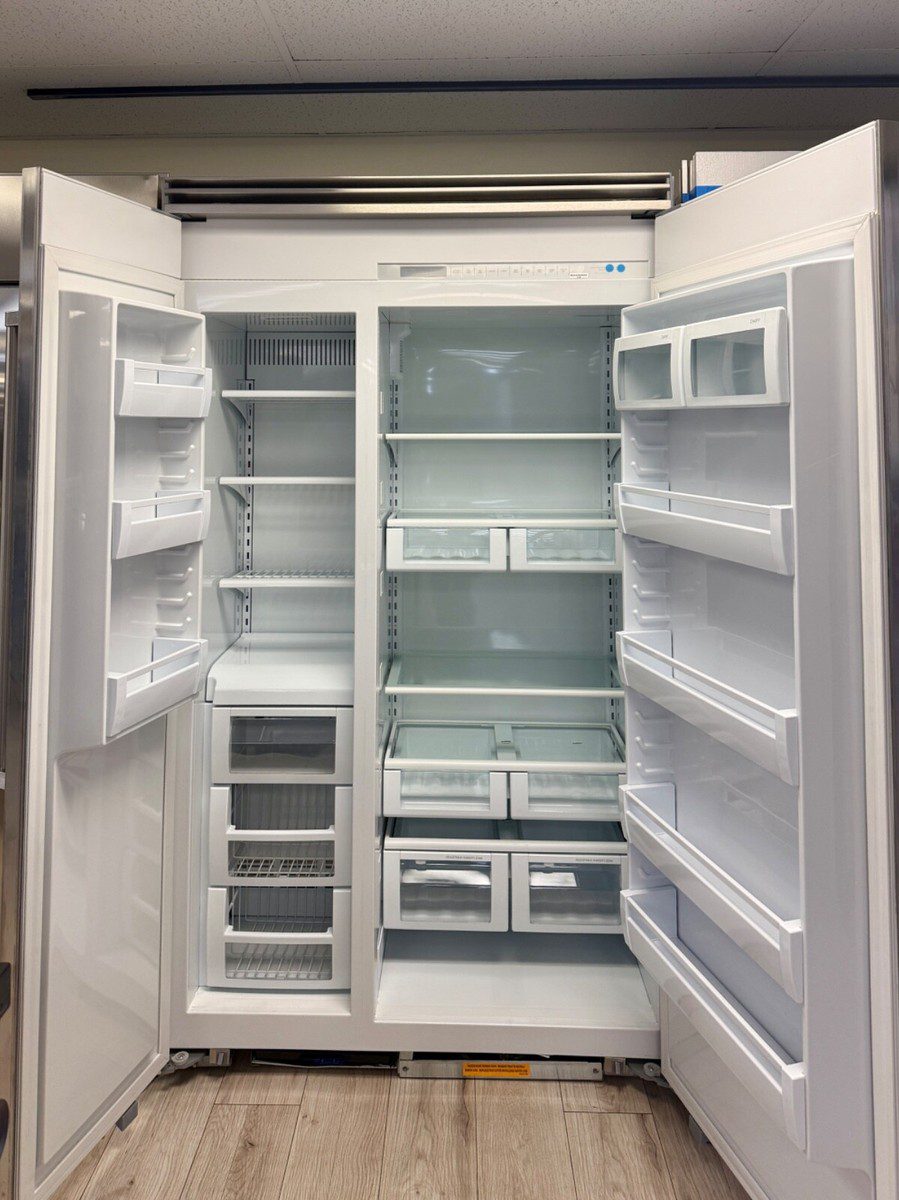
Why a Viking Refrigerator May Stop Cooling Properly
A refrigerator cooling issue is not always a compressor failure. In many cases, the problem starts with restricted airflow, dirty condenser coils, worn door seals, a failing evaporator fan, blocked vents, thermostat issues, or a defrost system problem. The challenge is that several symptoms can feel similar from the outside.
That is why a premium refrigerator should be approached carefully. Replacing random parts rarely solves the root cause. A proper diagnosis looks at airflow, temperature sensors, fans, condenser condition, compressor behavior, door sealing, drainage, defrost operation, and the way the unit is installed inside the kitchen.
Common Causes at a Glance
| Possible Cause | What You May Notice | Why It Matters |
|---|---|---|
| Dirty Condenser Coils | Unit runs constantly, cabinet feels warm, cooling slowly declines. | Heat cannot release properly, so the system works harder and cooling drops. |
| Bad Door Gasket | Moisture, frost, warm spots, door not sealing tightly. | Warm air enters the cabinet and forces the refrigerator to overwork. |
| Evaporator Fan Issue | Freezer may be cold, refrigerator section feels warm. | Cold air is not circulating through the compartments correctly. |
| Defrost Problem | Frost buildup, blocked airflow, warm refrigerator compartment. | Ice buildup prevents air movement and reduces cooling performance. |
| Thermostat or Sensor Fault | Temperature swings, incorrect readings, unpredictable cooling. | The control system may not know when to start or stop cooling. |
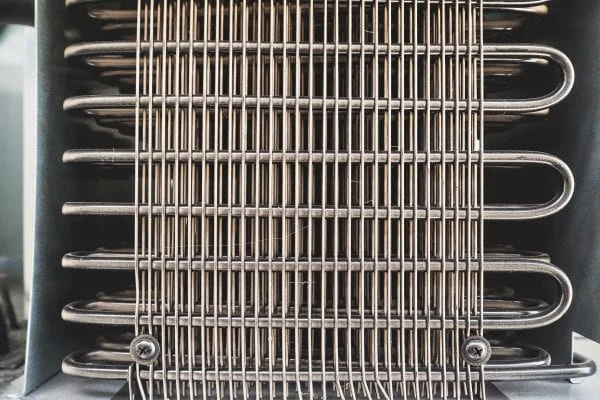
1. Dirty Condenser Coils
This is one of the most common reasons a Viking refrigerator is not cold enough. Condenser coils are responsible for releasing heat from the refrigeration system. When they are coated with dust, pet hair, kitchen grease, or fine debris, the refrigerator cannot reject heat efficiently.
In Bay Area homes, this can happen faster than expected. Open windows, renovation dust, pets, and everyday kitchen use can all contribute. The refrigerator may run longer, feel warmer inside, make more noise, or struggle during warmer afternoons.
2. Door Gasket Leaks and Warm Air Intrusion
A refrigerator door gasket may seem like a small detail, but it has a major impact on cooling. If the seal is cracked, loose, dirty, or compressed, warm air enters the cabinet. The compressor runs longer, humidity increases, and the refrigerator may never quite feel cold enough.
You may notice condensation, frost near the door, soft food packages, or a door that does not close with the same firm feel. In homes where the refrigerator is opened frequently — especially during entertaining — a weak gasket becomes even more noticeable.
3. Evaporator Fan or Airflow Problems
A Viking refrigerator relies on proper airflow to move cold air where it needs to go. If the evaporator fan is weak, noisy, blocked, or failing, the freezer may seem colder than the fresh food compartment, or certain shelves may feel warmer than others.
Airflow can also be blocked by overpacking the refrigerator. If vents are covered, the cabinet may develop warm zones even if the sealed system is still working. Start by checking that food packages are not pressed tightly against the rear vents.
4. Defrost System Failure
If frost builds up behind the interior panel, cold air can no longer circulate properly. The refrigerator may run, but the fresh food section stays too warm. This often points to a defrost heater, thermostat, sensor, control board, or drain-related issue.
A defrost problem can be easy to underestimate because the refrigerator may still make noise and appear to be working. But once airflow is restricted by ice, cooling performance drops quickly.
5. Thermostat, Sensor, or Control Board Issues
Modern Viking refrigerators depend on sensors and electronic controls to regulate temperature. If a sensor sends inaccurate readings, the refrigerator may cool too little, cycle irregularly, or display a temperature that does not match the actual cabinet conditions.
This is where professional diagnostics matter. A control issue can mimic a fan problem, a defrost issue, or a sealed-system concern. Testing the system properly helps avoid replacing the wrong parts.
Tried the basics and your Viking still is not cold enough?
If cleaning, gasket checks, and airflow adjustments do not solve the problem, Prime Fix can diagnose the issue and help restore proper cooling across San Francisco and the Bay Area.
Safe Checks Before Calling for Service
Before scheduling a repair, there are a few safe steps homeowners can take. These checks can rule out simple issues and give a technician better information if service is needed.
- ●Confirm the settings. Make sure the temperature was not accidentally changed and give the unit time to stabilize after adjustment.
- ●Check door sealing. Inspect gaskets for cracks, dirt, gaps, or weak contact along the frame.
- ●Clear blocked vents. Keep food away from interior air vents so cold air can circulate properly.
- ●Listen for unusual sounds. Buzzing, clicking, grinding, or a fan that stops and starts may point to a mechanical or electrical issue.
- ●Check for frost or water. Excess frost, water pooling, or ice buildup can signal defrost or drainage trouble.
When to Call a Professional
Call for professional service if your Viking refrigerator remains above safe temperature, runs constantly without cooling, has frost buildup behind the panel, makes unusual noises, leaks water, or shows temperature swings that do not correct after basic checks.
Cooling problems can worsen quickly. A refrigerator that overworks for days or weeks may strain the compressor, damage food, and increase repair costs. With a premium appliance, early diagnosis is usually the better move.
Why Choose Prime Fix for Viking Refrigerator Repair in the Bay Area?
A Viking refrigerator deserves more than guesswork. Prime Fix provides careful diagnostics and repair for premium refrigeration across San Francisco, Marin, the Peninsula, the East Bay, and the wider Bay Area. The goal is simple: identify the real cause, protect the appliance, and restore reliable cooling.
Whether the issue is dirty condenser coils, a faulty fan, weak door seal, defrost failure, sensor problem, temperature control issue, or a deeper sealed-system concern, Prime Fix can help determine the right repair path for your Viking refrigerator.
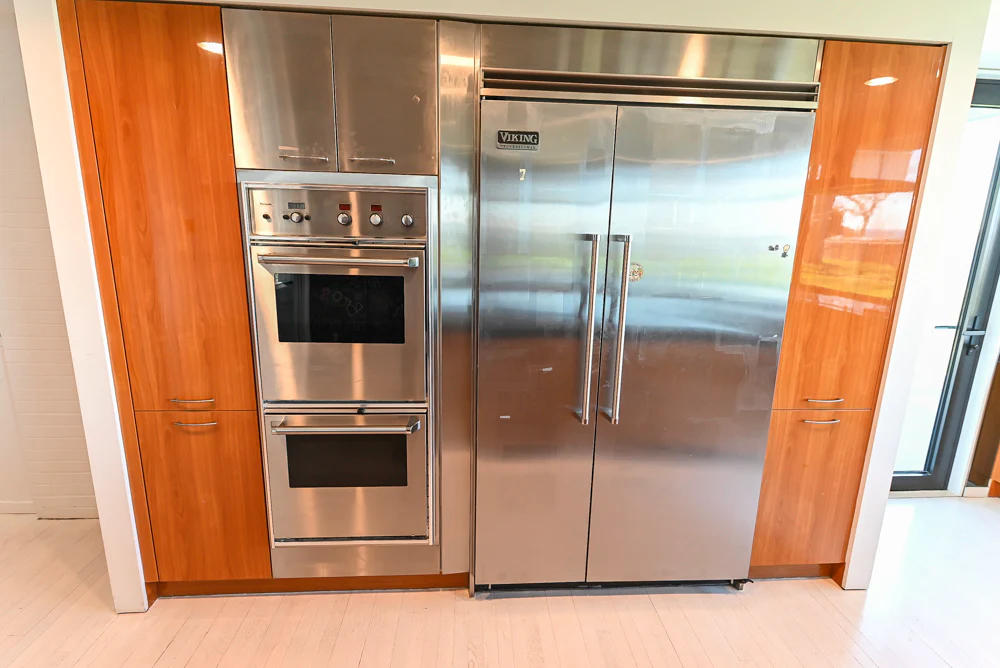 A properly serviced Viking refrigerator should cool consistently, run efficiently, and protect the quality of what you store inside.
Final Thought: Do Not Wait Until It Stops Cooling Completely
A Viking refrigerator that is not cold enough is sending an early warning. The issue may be simple, such as dirty coils or a weak gasket, or it may point to a fan, defrost, control, or sealed-system problem. Either way, the sooner it is addressed, the better the outcome usually is.
Start with safe basics: check the settings, inspect the door seal, clear blocked vents, and look for frost or water. If the refrigerator still is not cold enough, contact Prime Fix for professional Viking refrigerator repair in San Francisco and the Bay Area.