As summer comes to an end, you may notice that your wine cooler is not maintaining temperature as consistently as it did before. The display may show small fluctuations, the unit may run longer, or the bottles may feel slightly warmer than expected.
Late-summer heat does not necessarily mean the wine cooler is failing. Higher room temperatures, restricted airflow, frequent door openings, and accumulated dust can all make the cooling system work harder.
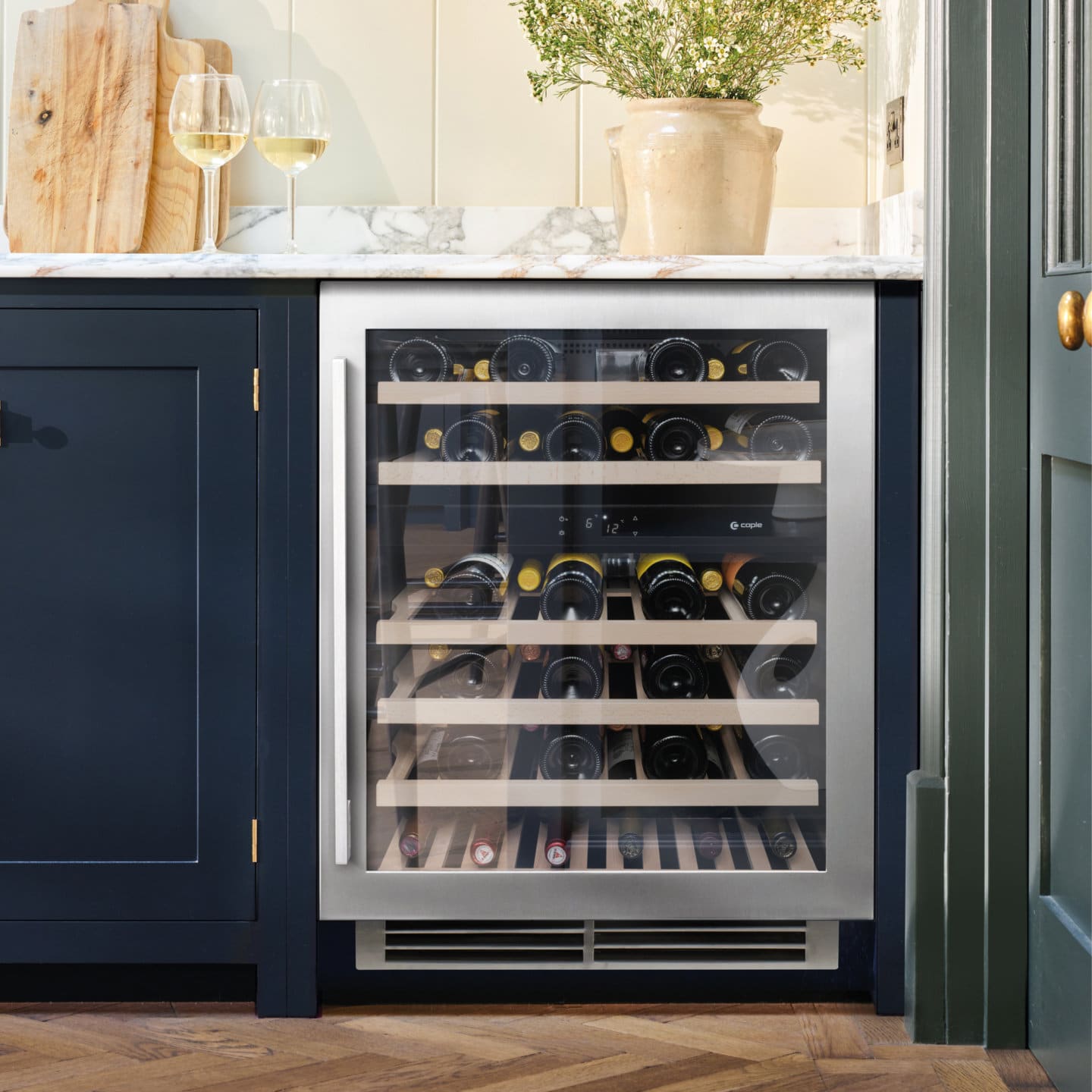
However, if temperature fluctuations become frequent or the unit can no longer maintain its set temperature, the problem may go beyond seasonal conditions. For wine cooler owners in San Francisco and the Bay Area, late summer is a good time to check whether the appliance simply needs maintenance — or whether a developing cooling problem requires professional attention.
Why Can a Wine Cooler Struggle More at the End of Summer?
A wine cooler continuously removes heat from inside the cabinet and releases it into the surrounding environment. When the room or surrounding cabinetry stays warmer, the cooling system has to work harder to maintain the selected temperature.
This can be especially noticeable during extended periods of warm weather or in kitchens and entertainment areas that receive afternoon sun.
1. The Room Is Warmer Than Usual
Ambient temperature has a direct effect on how hard a wine cooler needs to work. During warmer weather, you may notice longer cooling cycles or more frequent operation.
Built-in wine coolers can be particularly sensitive when the surrounding area does not allow heat to dissipate properly. The location also matters. A unit positioned near an oven, range, dishwasher, or direct sunlight may be exposed to additional heat.
If temperature problems appear primarily on hot days, pay attention to the conditions around the appliance.
2. Airflow Around the Wine Cooler Is Restricted
Ventilation is essential for proper cooling. Depending on the model and installation type, a wine cooler needs adequate airflow to release heat.
Dust, debris, blocked vents, or an installation that restricts ventilation can make this process less efficient. Possible signs include:
- ●Longer run times
- ●Higher internal temperatures
- ●A unit that feels unusually warm around the ventilation area
- ●Difficulty recovering after the door is opened
- ●Temperature fluctuations during warmer parts of the day
3. Dust Has Accumulated Around the Condenser
After months of operation, dust and debris may accumulate around accessible condenser or ventilation areas.
Reduced airflow makes it more difficult for the cooling system to release heat. During mild weather, the effect may not be obvious. But once summer temperatures rise, the additional load can expose the problem.
This is one reason cooling issues sometimes seem to appear suddenly near the end of summer even though the underlying maintenance issue developed gradually.
4. The Door Is Not Sealing Properly
Every time warm room air enters the cabinet, the cooling system has to remove that additional heat. A worn, dirty, loose, or damaged door gasket can allow warm air to enter continuously.
Check the gasket for:
- ●Cracks or tears
- ●Loose areas
- ●Food or residue
- ●Sections that do not sit evenly against the cabinet
You may also notice condensation around the door or unusually long cooling cycles. A poor seal can have a greater impact during hot weather because the temperature difference between the room and the inside of the wine cooler is larger.
5. Frequent Door Openings Are Affecting Temperature
Opening the wine cooler allows warm air to enter. Occasional temperature movement after opening the door is normal, and the unit needs time to return to the set temperature.
During summer gatherings or entertaining, however, the door may be opened much more frequently than usual.
If the temperature recovers afterward, the behavior may simply be related to heavier use. If the wine cooler takes an unusually long time to recover — or never reaches the set temperature again — further inspection may be necessary.
6. The Cabinet Is Overloaded or Airflow Inside Is Blocked
Proper air circulation matters inside the wine cooler as well. Packing bottles too tightly or placing them in a way that blocks internal vents can create uneven temperatures.
One part of the cabinet may remain cool while another becomes noticeably warmer. Follow the manufacturer’s recommended bottle arrangement and avoid blocking visible interior airflow openings.
If the temperature problem started after adding a large number of bottles, give the unit time to stabilize before assuming there is a mechanical failure.
7. A Fan May Not Be Working Properly
Wine coolers may use fans to circulate cold air or help release heat from the refrigeration system. If a fan becomes weak, obstructed, or stops operating correctly, temperature stability can suffer.
Possible warning signs include:
- ●New buzzing or rattling
- ●Reduced airflow
- ●Uneven temperatures inside the cabinet
- ●Longer cooling cycles
- ●A noticeable change in the appliance’s normal sound
A fan problem generally requires professional diagnosis, particularly when accessing the component requires disassembly.
8. A Sensor or Cooling Component May Be Developing a Problem
If basic maintenance and environmental conditions do not explain the temperature changes, an internal component may be responsible.
Depending on the wine cooler, possible issues can involve:
- ●Temperature sensors
- ●Fans
- ●Electronic controls
- ●Compressor or starting components
- ●Refrigeration-system components
Common Wine Cooler Problems at a Glance
| What You Notice | Possible Cause | First Step |
|---|---|---|
| Temperature rises on hot afternoons | High ambient temperature or added heat | Check conditions around the unit |
| Unit runs much longer than before | Restricted airflow or cooling issue | Inspect accessible ventilation areas |
| Temperature varies throughout the cabinet | Internal airflow problem | Check bottle placement and vents |
| Condensation around the door | Poor door seal or frequent openings | Inspect the gasket |
| New rattling or buzzing | Fan or mechanical issue | Schedule diagnostics if it continues |
| Unit cannot reach the set temperature | Airflow, sensor, fan, or cooling-system problem | Professional inspection |
What Can You Safely Check Yourself?
Before scheduling service, there are several simple things you can check:
- ●Confirm the temperature setting has not been changed
- ●Check whether visible vents are blocked
- ●Inspect the door gasket
- ●Avoid overcrowding the cabinet
- ●Make sure bottles are not blocking interior airflow
- ●Reduce unnecessary door openings
- ●Listen for unusual sounds
- ●Check whether the unit is exposed to direct sunlight or another heat source
- ●Follow manufacturer-approved maintenance instructions
When Should You Call a Professional?
A brief temperature change does not always mean the wine cooler needs repair. Professional diagnostics are more appropriate when:
- ●The temperature remains consistently above the setting
- ●Fluctuations become more frequent or severe
- ●The unit runs almost continuously
- ●It cannot recover after the door has been opened
- ●Different areas of the cabinet have noticeably different temperatures
- ●New noises appear
- ●Condensation becomes persistent
- ●An error or service indicator appears
- ●Performance does not improve when ambient temperatures become cooler
A technician can determine whether the problem comes from airflow, a fan, temperature sensor, controls, or the refrigeration system.
Why Late Summer Is a Good Time to Check Your Wine Cooler
Late summer provides a useful opportunity to evaluate how the appliance handled the hottest part of the year.
If your wine cooler maintained stable temperatures throughout the season, routine maintenance may be all it needs. But if you noticed longer run times, warmer bottles, or increasing temperature fluctuations, those changes are worth investigating.
Addressing a developing problem now can help keep the unit operating reliably as you move into fall and the holiday entertaining season.
Wine Cooler Not Holding Temperature?
Prime Fix provides professional wine cooler diagnostics, maintenance, and repair throughout San Francisco and the Bay Area. If your wine cooler is struggling to maintain temperature, running longer than usual, or making unfamiliar sounds, professional diagnostics can help identify the underlying cause.
Need Wine Cooler Service in San Francisco or the Bay Area?
Prime Fix provides professional wine cooler diagnostics, maintenance, and repair throughout San Francisco and the Bay Area.
If your wine cooler is struggling to maintain temperature, running longer than usual, making unfamiliar sounds, or showing noticeable temperature fluctuations, professional diagnostics can help determine whether the cause is seasonal conditions, maintenance, or a mechanical problem.
Late-summer heat can make a wine cooler work harder — but persistent temperature problems should not simply be blamed on the weather.