If you’re shopping for a new oven or trying to understand how to get better results from the one you already own, you’ve probably come across the terms convection and standard ovens. While they may look similar on the outside, the way they cook food is quite different — and those differences matter more than many homeowners realize.
At Prime Fix, we often get questions from San Francisco customers about why their oven cooks unevenly, why recipes don’t turn out as expected, or whether convection is really worth it. Let’s break down how each type of oven works, their pros and cons, and which option may be right for your kitchen.
How a Standard Oven Works
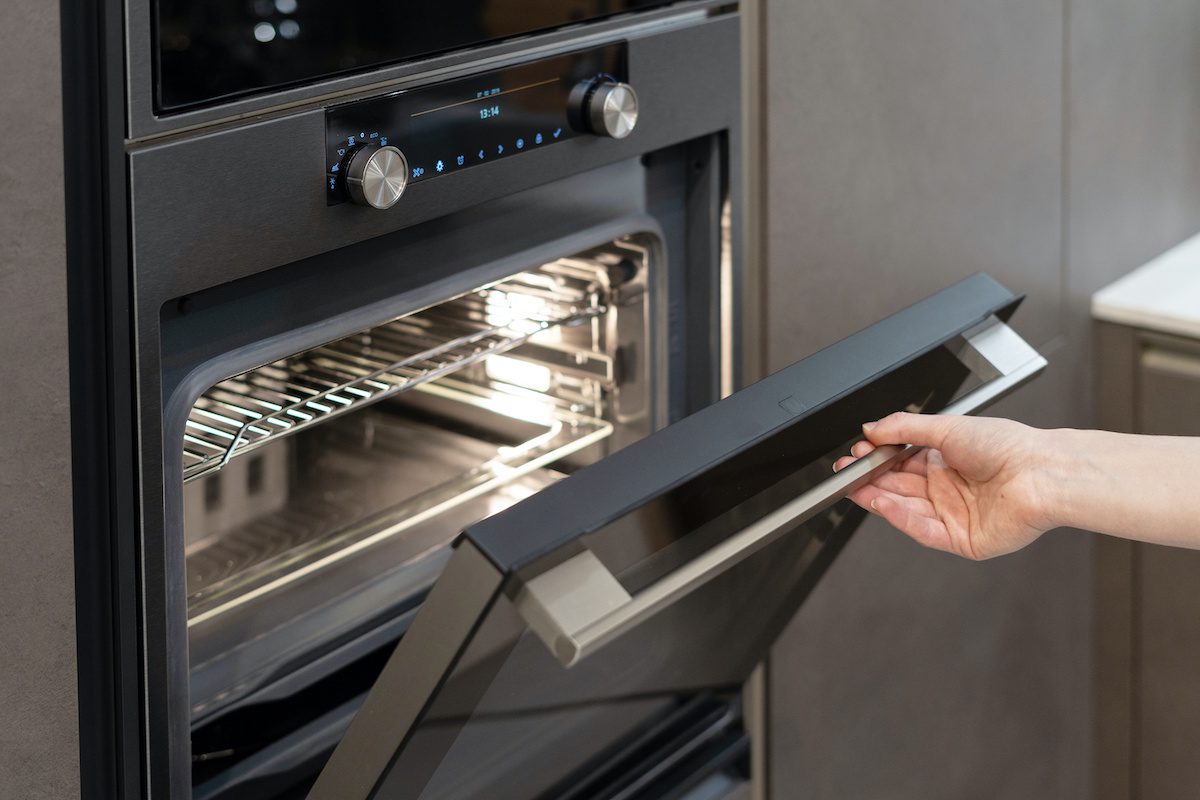
A standard oven, sometimes called a conventional oven, uses heating elements located at the top and bottom of the oven cavity. Heat rises naturally and circulates on its own, without any mechanical assistance.
Because airflow is limited, temperatures inside the oven can vary slightly from one area to another. This is why many recipes recommend rotating baking sheets or adjusting rack positions halfway through cooking.
Standard ovens are commonly used for:
-
Baking cakes, bread, and delicate pastries
-
Traditional roasting
-
Recipes designed around consistent, gentle heat
How a Convection Oven Works
A convection oven includes a fan (and often an additional heating element) that actively circulates hot air throughout the oven cavity. This constant airflow helps maintain a more even temperature and allows food to cook faster.
Many modern ovens in San Francisco homes include a convection feature that can be turned on or off, giving homeowners flexibility depending on what they’re cooking.
Convection ovens are especially effective for:
-
Roasting meats and vegetables
-
Baking multiple trays at once
-
Achieving crisp exteriors and even browning
Key Differences Between Convection and Standard Ovens
The main difference comes down to air circulation. In a standard oven, hot air moves naturally and unevenly. In a convection oven, the fan forces hot air to circulate evenly, reducing hot and cold spots.
As a result, convection ovens typically cook food about 20–25% faster and at slightly lower temperatures. Many recipes suggest reducing the temperature by about 25°F when switching from standard to convection mode.
Cooking Results: What You’ll Notice
With a convection oven, you may notice:
-
Faster cooking times
-
More even browning
-
Crispier textures, especially on roasted foods
With a standard oven, you may experience:
-
Gentler heat, ideal for baking
-
Better rise for cakes and soufflés
-
Less moisture loss in delicate dishes
Neither option is “better” in every situation — it really depends on what you cook most often.
Energy Efficiency and Performance
Because convection ovens cook faster and at lower temperatures, they can be more energy-efficient over time. This can be appealing in San Francisco, where energy costs are higher than the national average.
However, the convection fan and additional components also mean there are more parts that can wear out over time, especially with frequent use.
Maintenance and Repair Considerations
From a repair perspective, convection ovens are slightly more complex than standard ovens.
Common convection oven issues include:
-
Fan motor failures
-
Uneven airflow
-
Noisy operation
-
Temperature sensor problems
Standard ovens have fewer moving parts, which can sometimes make them simpler and less expensive to repair.
At Prime Fix, we service both convection and standard ovens from all major brands, including GE, Whirlpool, Samsung, LG, Bosch, Wolf, and Viking.
Which Oven Is Right for You?
A standard oven may be the better choice if:
-
You bake frequently and follow traditional recipes
-
You prefer simple operation
-
You want fewer mechanical components
A convection oven may be ideal if:
-
You roast or cook large meals often
-
You want faster, more even cooking
-
You enjoy modern features and flexibility
For many homeowners, a combination oven with both modes offers the best of both worlds.
Oven Repair and Maintenance in San Francisco
Whether you use convection or standard mode, proper maintenance is key to consistent cooking results. If your oven is cooking unevenly, taking too long to heat, or making unusual noises, these are early signs that something may be wrong. Prime Fix provides professional oven repair services throughout San Francisco and the Bay Area, helping homeowners keep their kitchens running smoothly. Understanding the difference between convection and standard ovens can help you cook better meals and make smarter appliance decisions. Both types have their strengths, and knowing when to use each can significantly improve your results in the kitchen. If your oven isn’t performing the way it should — regardless of type — addressing the issue early can prevent bigger and more costly repairs down the road.