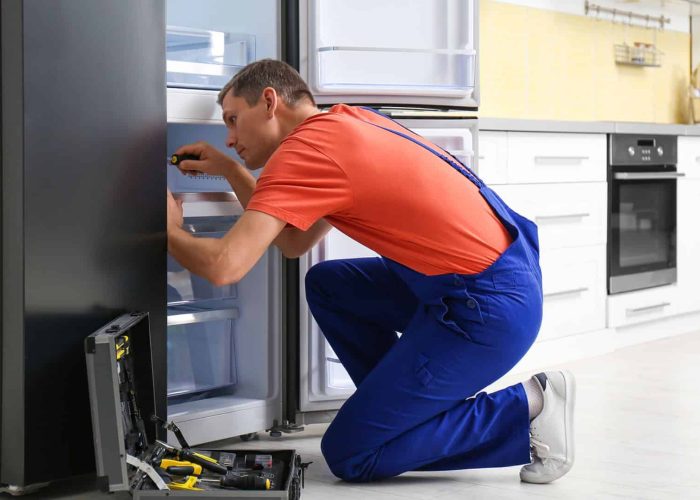

A refrigerator is one of those appliances you expect to work quietly in the background. So when it suddenly starts buzzing, rattling, clicking, or knocking, it can be both annoying and worrying. For homeowners in San Francisco, where kitchens are often part of open living spaces, loud refrigerator noises become impossible to ignore.
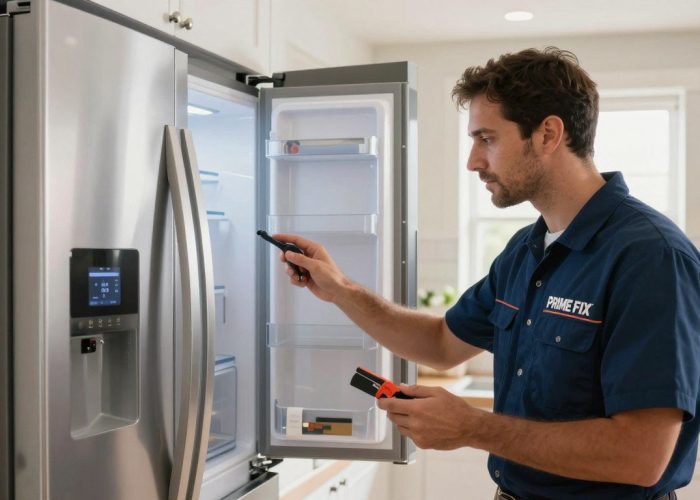
The good news is that not every strange sound means your fridge is about to fail. Some noises are harmless, while others are early warning signs of mechanical problems that should be addressed sooner rather than later. Below, the technicians at Prime Fix break down the most common refrigerator noises, what they usually mean, and when it’s time to call a professional appliance repair service.
Step One: Identify the Type of Noise
Before troubleshooting, try to understand what kind of sound your refrigerator is making and when it happens. This alone can narrow the issue significantly.
Is the noise:
-
Constant or intermittent?
-
Louder when the compressor starts?
-
Coming from the back, inside the freezer, or underneath the unit?
Now let’s look at the most common sounds we hear about during service calls in San Francisco homes and condos.
Buzzing or Humming Sounds
A low humming sound is usually normal, especially when the refrigerator is actively cooling. However, loud or unusually intense buzzing is not.
Common causes include:
-
Dirty condenser coils
-
A failing condenser fan motor
-
The fridge sitting too close to the wall
In many Bay Area homes, refrigerators collect dust faster than expected due to pets, coastal air, and limited ventilation in apartment kitchens. Dirty condenser coils force the system to work harder, increasing noise and energy consumption.
What you can try:
Unplug the refrigerator and gently clean the condenser coils with a brush or vacuum. Make sure there is enough clearance behind and around the unit.
If the buzzing continues, it may indicate a worn fan motor, which should be handled by a professional.
Rattling or Vibrating Noises
Rattling is one of the most common complaints we get at Prime Fix, especially after homeowners move or remodel their kitchens.
Possible reasons:
-
The refrigerator is not level
-
Loose drain pan or rear access panel
-
Items vibrating on top of or inside the fridge
Even slight floor unevenness, common in older San Francisco buildings, can cause vibrations to amplify.
What you can try:
Check that the refrigerator sits level and adjust the front leveling legs if needed. Make sure nothing is touching the back of the unit, including water lines or cabinets.
If the sound comes from inside the unit and doesn’t change after leveling, internal components may be loose.
Clicking or Ticking Sounds
Clicking noises can be normal in moderation, especially when the thermostat turns the compressor on and off. But repeated clicking, especially when the fridge fails to cool properly, is a red flag.
Likely causes:
-
Faulty start relay
-
Compressor struggling to start
-
Electrical control issues
This type of problem often appears gradually and worsens over time. Ignoring it can lead to compressor failure, which is one of the most expensive refrigerator repairs.
Recommendation:
If clicking is frequent or paired with temperature problems, it’s best to schedule a diagnostic service before the issue escalates.
Knocking or Thumping Sounds
A knocking sound usually occurs when the compressor starts or stops. While occasional thumps are normal, loud or frequent knocking is not.
What might be happening:
-
Compressor mounting issues
-
Internal mechanical wear
-
Refrigerant flow problems
In compact kitchens common across San Francisco apartments, sound can echo and feel louder than it actually is. However, persistent knocking should never be ignored.
This is not a DIY fix. Compressor-related noises almost always require professional attention.
Squealing or Screeching Noises
High-pitched squealing or screeching noises are among the clearest signs that something is wrong.
Most often caused by:
-
A failing evaporator fan motor
-
A worn condenser fan motor
These fans are essential for airflow and temperature regulation. When they start to fail, noise is often the first symptom.
If left unaddressed, fan motor issues can lead to uneven cooling, ice buildup, or complete system failure.
Popping or Cracking Sounds
This one surprises many homeowners. Popping or cracking noises usually come from the refrigerator’s interior panels expanding and contracting due to temperature changes.
Good news:
This is completely normal and does not require repair.
Modern refrigerators use lightweight materials that respond quickly to cooling cycles, especially in environments where room temperature fluctuates.
When Refrigerator Noises Mean You Should Call a Professional
You should contact a refrigerator repair technician if:
-
The noise is getting louder over time
-
Cooling performance has dropped
-
The refrigerator turns on and off frequently
-
The sound is coming from the compressor or internal motors
-
DIY steps don’t improve the situation
In a city like San Francisco, where appliance replacement costs are high and kitchen space is limited, early repair is almost always the more cost-effective option.
Why San Francisco Homeowners Trust Prime Fix
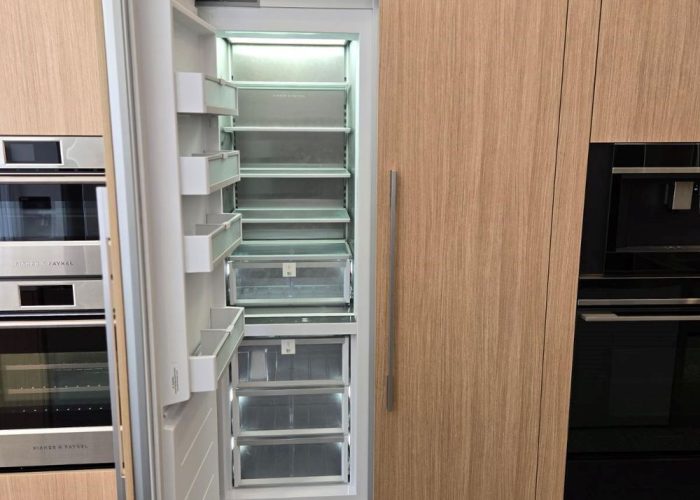
At Prime Fix, we specialize in refrigerator repair across San Francisco and the Bay Area, working with all major brands and high-end appliances. Our technicians understand the unique challenges of local homes — from older wiring and uneven floors to built-in and panel-ready refrigerators.
We don’t just silence the noise; we identify the root cause and fix it properly, helping extend the life of your appliance and prevent future breakdowns.
A noisy refrigerator isn’t just an annoyance — it’s your appliance trying to tell you something. Some sounds are harmless, but others are early warnings of mechanical or electrical issues.
If your refrigerator is making loud or unusual noises and you’re unsure what’s causing them, it’s better to act early. A professional inspection can save you from costly repairs or unexpected food loss down the line.