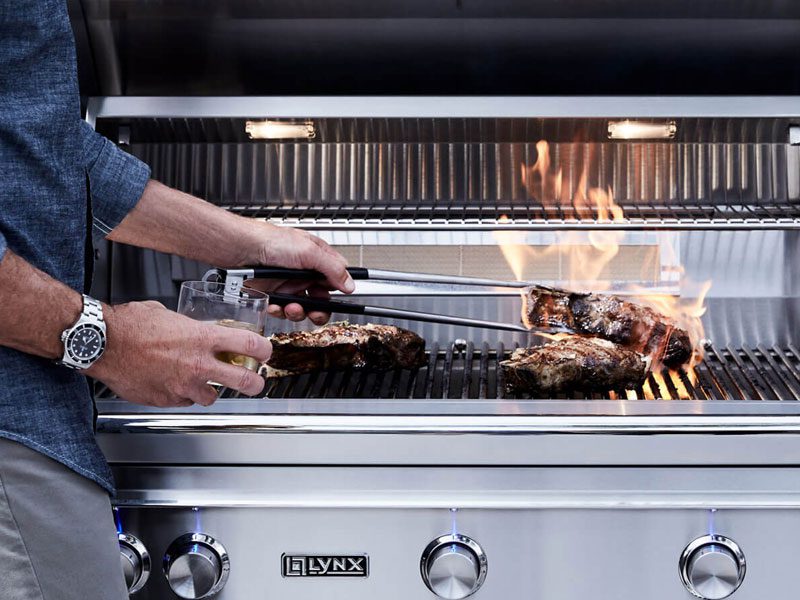
A Lynx grill should feel precise from the moment you turn the knob. The burner should ignite cleanly, the flame should settle into a steady pattern, and the cooking surface should deliver the kind of controlled heat expected from a premium outdoor kitchen.
When the flame turns yellow, the grill struggles to get hot, or one side cooks faster than the other, something in the burner system is no longer working as designed. The problem may be as simple as blocked burner ports or grease buildup. It may also involve airflow, regulator performance, gas pressure, valve operation, burner alignment, or worn internal components.
Bay Area outdoor kitchens add another layer to the equation. Coastal fog, moisture, salt air, dust, pollen, windy patios, and long stretches of seasonal use can all affect burner performance. A grill that was dialed in last season may feel noticeably different after a damp winter or a few months of lighter use.
What a Healthy Lynx Burner Flame Should Look Like
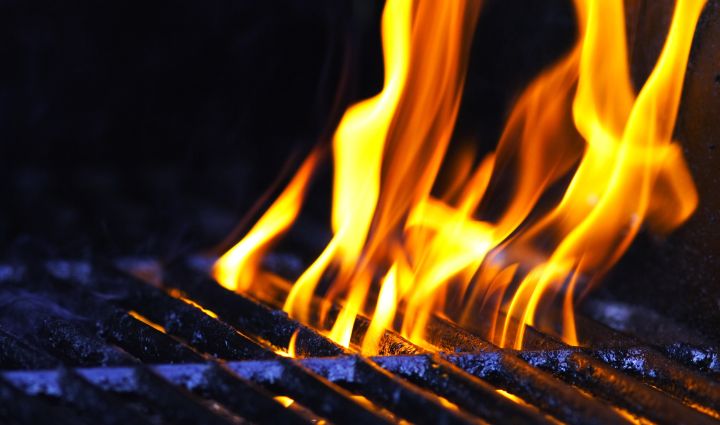
A properly operating burner usually produces a stable flame that is predominantly blue, with controlled lighter tips. The flame should appear consistent along the burner rather than bunching heavily in one area, lifting away from the ports, or disappearing across sections of the burner.
Small variations can occur because of wind and outdoor conditions, especially on exposed terraces or hillside properties. But a persistent yellow flame, weak heat, loud flame noise, repeated flameout, or major hot and cold zones is not normal performance for a luxury grill.
Lynx Burner Problems at a Glance
| Symptom | What It May Indicate | Priority |
|---|---|---|
| Yellow Flame | Restricted airflow, dirty burner ports, grease buildup, incorrect air-to-fuel balance. | Inspect promptly, especially if soot appears. |
| Low Heat | Gas flow restriction, regulator issue, partially blocked burner, valve problem. | Service before heavy use. |
| Uneven Cooking | Uneven flame, damaged heat distribution parts, dirty grates, burner misalignment. | Diagnose before parts deteriorate further. |
| Burner Goes Out | Unstable gas flow, wind exposure, dirty burner, regulator or valve issue. | Stop repeated relighting and inspect. |
| Heavy Soot | Incomplete combustion, severe airflow imbalance, burner obstruction. | Stop use and arrange service. |
1. Why a Lynx Grill Flame Turns Yellow
A persistent yellow flame usually means the burner is not receiving the right balance of fuel and air. The flame may look soft or lazy, produce more smoke, or leave dark soot on cookware and nearby surfaces.
Common causes include grease around the burner, blocked ports, insects or debris inside the burner tube, corrosion, restricted air shutters, or a burner that is not seated correctly. Coastal moisture can make residue and corrosion worse over time, particularly if the grill sits unused for extended periods.
2. Low Heat and Slow Preheating
A Lynx grill should preheat with authority. If it takes far longer than usual, cannot reach searing temperature, or loses heat when multiple burners are on, the system may not be receiving adequate gas flow.
Low heat can be caused by partially clogged burner ports, a regulator that has entered a restricted state, a gas supply problem, a valve that is not opening fully, or a burner obstruction. On natural gas installations, supply pressure and the installation itself may also need to be evaluated. On propane systems, tank level and regulator performance matter.
3. Uneven Cooking Across the Grill Surface
Uneven cooking is one of the fastest ways to lose confidence in a premium grill. One steak is overdone while another still needs time. Vegetables char on the left side and barely color on the right. The issue may feel random, but it usually follows the heat pattern below the grates.
Causes can include uneven burner flame, clogged burner sections, damaged ceramic briquettes or heat distribution components, warped parts, grease accumulation, misaligned burners, or blocked ventilation. Even cooking grates coated with heavy residue can distort heat transfer and create inconsistent results.
Signs the heat pattern needs professional attention
- ●One burner stays visibly weaker. Its flame height remains lower even at the same control setting.
- ●The same hot spot appears every time. Consistent hot zones usually point to burner or heat distribution issues.
- ●Preheat feels uneven. One side becomes hot much earlier than the rest of the grill.
- ●Flare-ups concentrate in one area. Grease or damaged heat distribution parts may be creating localized flame bursts.
Cleaned the grill, but the flame still looks wrong?
If yellow flame, low heat, or uneven cooking continues after safe cleaning and basic checks, Prime Fix can diagnose the burner, regulator, valve, and heat distribution system across San Francisco and the Bay Area.
4. Grease, Debris, and Blocked Burner Ports
Burner ports are small openings, and it does not take much contamination to change performance. Grease, carbon, marinades, food particles, dust, and corrosion can partially block them. The result may be missing flame sections, delayed ignition, uneven burner output, or flame that travels irregularly along the burner.
Surface cleaning helps, but poking burner ports aggressively with hard tools can damage them or change their shape. On a premium grill, careful cleaning and proper inspection are more important than forcing debris out.
5. Regulator and Gas Supply Problems
The regulator and supply system determine how fuel reaches the grill. If pressure is restricted or unstable, burners may stay low even with the controls turned up. They may also surge, go out, or behave differently when several burners are used at once.
Some regulator issues can appear after the gas supply is opened too quickly, but recurring low heat should not be treated as a simple reset problem. A technician may need to inspect the regulator, connections, valves, fuel configuration, and supply pressure.
Safe Checks Bay Area Homeowners Can Do
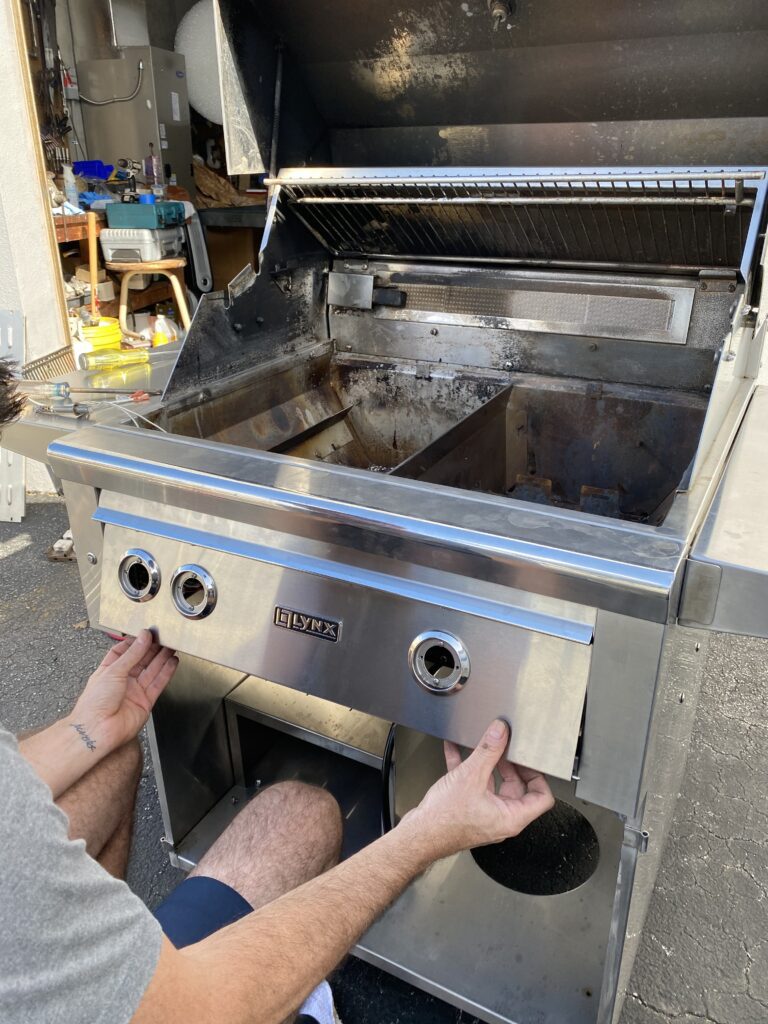
You can perform a few safe checks without disassembling the gas system. The goal is to identify obvious maintenance issues and understand whether professional service is needed.
- ●Compare burners. Light one burner at a time and note whether one looks weaker, yellower, or less consistent than the others.
- ●Clean accessible surfaces. Remove loose grease and debris from grates, trays, and visible burner areas once the grill is fully cool.
- ●Check the fuel supply. Confirm that the shutoff is open and that a propane tank, if used, is not nearly empty.
- ●Observe the grill in calm conditions. This helps separate persistent burner problems from temporary wind effects.
- ●Stop if the flame is unsafe. Heavy soot, repeated flameout, gas odor, or flame outside the burner area requires professional attention.
When DIY Cleaning Is Not Enough
If the flame remains yellow after careful cleaning, if heat stays low across multiple burners, or if cooking remains uneven despite clean grates and visible components, the issue likely needs a deeper diagnosis.
Burner removal, valve work, regulator testing, fuel conversion checks, and gas pressure diagnosis should be handled by a qualified professional. Incorrect adjustment can worsen performance or create a safety risk.
Why Choose Prime Fix for Lynx Grill Burner Repair?
A premium Lynx grill deserves more than trial-and-error repairs. Prime Fix provides careful diagnostics for luxury outdoor grills across San Francisco, Marin, the Peninsula, the East Bay, the South Bay, and surrounding Bay Area communities.
Whether the issue is yellow flame, low heat, uneven cooking, burner flameout, regulator trouble, valve performance, or grease-related flare-ups, Prime Fix can identify the likely cause and recommend the right repair path.
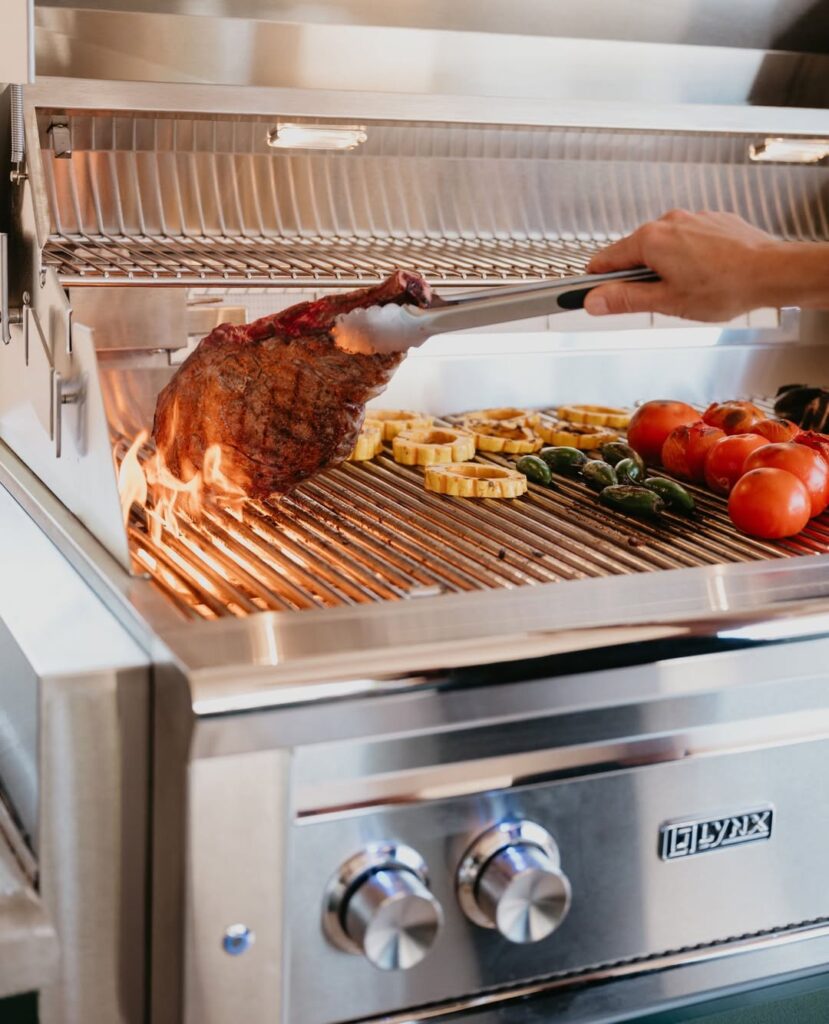 The goal of proper burner service is straightforward: clean flame, strong heat, even cooking, and confidence every time the grill is used.
Final Thought: Burner Problems Rarely Fix Themselves
Yellow flame, low heat, and uneven cooking are not just minor annoyances on a Lynx grill. They are signs that fuel, air, flame, and heat distribution are no longer working in balance.
Start with safe basics: compare the burners, clean accessible grease and debris, confirm the fuel supply, and observe the flame in calm conditions. If the problem continues, do not keep forcing the grill through another season. Contact Prime Fix for professional Lynx grill burner repair in San Francisco and the Bay Area.