Your dryer finishes its cycle. The drum spins, the machine sounds normal, and everything seems to be working. But when you open the door, your clothes are still damp.
Sometimes the laundry is only slightly wet. Other times, towels, jeans, or bedding feel almost as damp as when you put them in. You start another cycle, wait another 40 minutes, and hope the problem goes away.
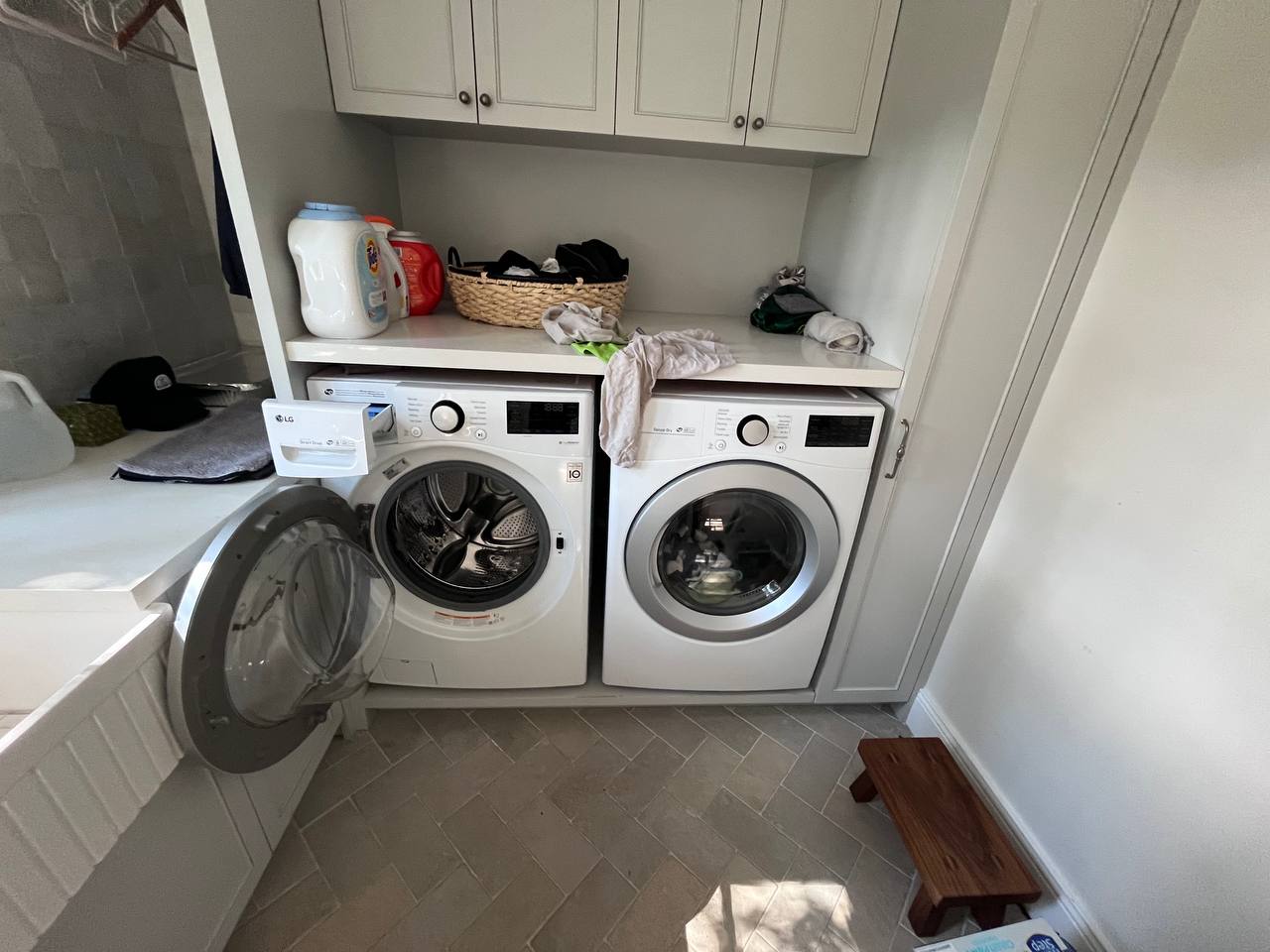
A dryer that runs but doesn’t dry clothes properly isn’t necessarily working as it should.
The cause could be something simple, like an overloaded drum or a clogged lint filter. But restricted airflow, heating problems, moisture sensor issues, or a failing internal component can also prevent clothes from drying completely.
For homeowners in San Francisco and the Bay Area, knowing what to check first can help distinguish a routine maintenance issue from a problem that needs professional dryer repair.
Why Is Your Dryer Running but Not Drying Clothes?
A dryer needs three things to dry laundry effectively: adequate heat, proper airflow, and enough tumbling time for moisture to escape.
If any of these are disrupted, the machine may continue operating while clothes remain damp.
Some dryers also rely on moisture sensors to determine when a load is dry. If the sensor cannot accurately detect moisture, the cycle may end before the laundry is ready.
1. Check the Lint Filter First
A clogged lint filter is one of the simplest things to check when clothes take longer than usual to dry.
As laundry tumbles, the dryer collects loose fibers and lint. Over time, that buildup can restrict airflow, making it harder for moisture to leave the drum.
You may notice:
- ● Clothes are still damp after a normal cycle
- ● Drying takes longer than it used to
- ● Towels and heavier fabrics remain wet
- ● The dryer feels unusually warm
- ● Laundry needs a second cycle
Remove the lint filter and clean it according to the manufacturer’s instructions. Even if the filter looks relatively clean, check whether a layer of residue is affecting airflow. Some dryer sheets and laundry products can leave buildup on certain filter screens.
2. The Dryer Vent May Be Restricted
A dryer can generate heat and still struggle to dry clothes if moist air cannot escape efficiently.
In a conventional vented dryer, warm air passes through the laundry, collects moisture, and exits through an exhaust duct. When that duct becomes restricted, the dryer loses drying efficiency.
Possible causes include:
- ● Lint buildup inside the vent duct
- ● A crushed or kinked exhaust hose
- ● An obstructed exterior vent opening
- ● A damaged or improperly installed duct
- ● An unusually long or poorly configured vent route
Signs of a Dryer Vent Problem
- ● Drying takes increasingly longer
- ● The dryer feels hotter than usual
- ● Laundry comes out warm but damp
- ● The laundry area becomes unusually hot or humid
- ● Normal loads require multiple cycles
For vented dryers, professional vent inspection and cleaning may be necessary when the restriction is beyond accessible homeowner-maintenance areas. Ventless and heat-pump dryers operate differently and have their own filter, condenser, or airflow maintenance requirements.
3. You May Be Overloading the Dryer
A full dryer does not always mean an efficient dryer. Clothes need room to tumble so heated air can circulate around the fabrics.
When the drum is overloaded, laundry can bunch together, trapping moisture between layers. This is especially common with large bedding, thick blankets, bath towels, heavy jeans, and mixed loads containing different fabrics.
Try reducing the load size and drying similar fabrics together. If smaller loads dry normally but larger ones consistently remain damp, loading may be contributing to the problem.
4. The Dryer May Not Be Heating Properly
One of the most important distinctions is whether the dryer produces heat. If the drum spins but the laundry remains cool and damp, the heating system may not be functioning correctly.
Depending on the type of dryer, potential causes include:
- ● A failed heating element
- ● A faulty thermostat or temperature sensor
- ● A thermal cutoff or other protective component
- ● An ignition problem in a gas dryer
- ● A gas valve or burner-related issue
- ● An electrical supply problem
- ● An electronic control issue
Some dryers may produce reduced or intermittent heat rather than no heat at all. That can make the problem less obvious because the clothes may feel warm without actually becoming dry.
5. The Moisture Sensor May Be Ending the Cycle Too Early
Many modern dryers use automatic drying programs that monitor moisture levels in the laundry. Instead of running for a fixed amount of time, the machine adjusts the cycle based on sensor readings.
If the moisture sensor becomes dirty or cannot accurately detect the laundry, the dryer may decide the load is dry before it actually is.
- ● The cycle ends much earlier than expected
- ● Clothes are still damp when the machine stops
- ● Timed drying works better than automatic drying
- ● Some fabrics dry properly while others remain wet
- ● The dryer displays a completed cycle despite damp laundry
Residue from fabric softeners or dryer sheets may interfere with certain moisture-sensing surfaces. Consult the manufacturer’s instructions for locating and cleaning accessible moisture sensor surfaces.
6. The Dryer Is Heating, but Airflow Inside Is Weak
Not every airflow problem is located in the external vent. Depending on the dryer design, internal components help move air through the drum and heating system.
A damaged blower wheel, internal obstruction, or other airflow-related problem can reduce drying performance.
Warning signs include weak airflow, unusual rattling or vibration, longer drying cycles, and heat buildup without effective moisture removal.
These symptoms can overlap with external vent restrictions, so proper diagnosis is important. Replacing a heating component will not solve a problem caused by inadequate airflow.
7. The Washer May Be Leaving Too Much Water in the Clothes
Sometimes the problem starts before the laundry reaches the dryer. If a washing machine does not spin effectively, clothes can retain significantly more water than usual.
The dryer then has to remove more moisture, extending drying time.
Possible washer-related causes include an unbalanced load, reduced spin speed, drainage problems, an interrupted spin cycle, or a washer component issue.
If laundry is consistently soaking wet after washing, investigate the washer rather than assuming the dryer is responsible.
8. The Selected Drying Cycle May Not Match the Load
Different fabrics require different drying conditions. A delicate cycle may use lower temperatures, while automatic cycles can respond differently to mixed fabrics and small loads.
For example, lightweight shirts may dry faster than thick towels. If both are placed in the same load, the dryer may finish based on the moisture detected in the lighter items while the heavier pieces remain damp.
Before assuming a mechanical problem, check:
- ● The selected drying program
- ● Temperature settings
- ● Dryness level
- ● Energy-saving options
- ● Mixed fabric weights
9. The Dryer May Be Shutting Off Heat Too Soon
A dryer that heats briefly and then stops heating can leave clothes damp even when the drum continues spinning.
This may happen when the machine detects excessive temperature or when a component responsible for regulating heat is not operating correctly.
Possible causes include restricted airflow, temperature sensor problems, thermostat issues, heating system faults, or control-related problems.
Common Dryer Problems at a Glance
| What You Notice | Possible Cause | First Step |
|---|---|---|
| Clothes are warm but still damp | Restricted airflow or overloaded drum | Clean lint filter and check load size |
| Clothes stay cool and wet | Heating or power-supply issue | Check cycle settings |
| Drying takes much longer than before | Vent restriction or reduced heating performance | Inspect accessible airflow areas |
| Automatic cycle ends too early | Moisture sensor or load-detection issue | Follow sensor-cleaning instructions |
| Towels remain damp but shirts dry | Mixed fabrics or overloading | Separate heavy items |
| Clothes enter dryer soaking wet | Washer spin or drainage issue | Check washer performance |
| Dryer becomes excessively hot | Restricted airflow or temperature-control problem | Stop use and arrange inspection |
| New rattling or unusual airflow noise | Blower or internal component issue | Schedule professional diagnostics |
| Dryer heats intermittently | Heating, sensor, or control problem | Professional inspection |
What Should You Check First? A Simple Dryer Troubleshooting Checklist
Before scheduling a repair, there are several safe checks you can perform:
- ● Clean the lint filter according to the manufacturer’s instructions.
- ● Make sure the dryer is not overloaded.
- ● Confirm the selected cycle uses the intended heat and dryness settings.
- ● Check whether the laundry was excessively wet after washing.
- ● Inspect only accessible vent areas for visible obstruction, if you have a vented dryer.
- ● Look for a crushed or kinked accessible exhaust hose.
- ● Check accessible moisture sensor surfaces using the manufacturer’s instructions.
- ● Notice whether the dryer produces heat and whether the cycle ends too early.
- ● Pay attention to unusual noises, overheating, or burning smells.
If these basic checks do not improve drying performance, the problem may involve components that require testing or disassembly.
When Is It Time to Call a Professional Dryer Technician?
A single damp load does not always mean your dryer needs repair. However, professional diagnostics become more appropriate when:
- ● Clothes remain damp after multiple normal cycles
- ● Drying time has increased significantly
- ● The dryer produces little or no heat
- ● The machine becomes unusually hot
- ● Airflow appears restricted despite routine cleaning
- ● Automatic cycles repeatedly end too early
- ● The dryer heats inconsistently
- ● Unusual noises or a burning smell appear
- ● An error code or service indicator is displayed
- ● The problem continues with smaller, properly loaded batches
A technician can evaluate heating performance, airflow, temperature regulation, moisture sensing, blower operation, and other relevant components. The goal is to identify the actual cause rather than replacing parts based only on symptoms.
Why You Shouldn’t Keep Running Extra Drying Cycles
When clothes come out damp, the easiest response is to start the dryer again.
Occasionally, an extra cycle may be needed for a bulky or unusually heavy load. But if repeated drying becomes part of your regular laundry routine, it is worth investigating.
Longer drying times can mean:
- ● More electricity or gas consumption
- ● Increased operating time
- ● Additional wear on components
- ● More heat exposure for fabrics
- ● A developing problem that continues getting worse
And if the cause is restricted airflow, repeatedly operating the dryer without correcting the problem may increase safety risks.
Dryer Running but Clothes Still Damp?
Prime Fix provides professional dryer diagnostics, maintenance, and repair throughout San Francisco and the Bay Area. If your dryer takes too long to dry clothes, heats inconsistently, or ends cycles too early, professional diagnostics can help identify the underlying problem.
Professional Dryer Repair in San Francisco & the Bay Area
Prime Fix provides professional dryer diagnostics, maintenance, and repair throughout San Francisco and the Bay Area.
Whether your dryer is leaving clothes damp, taking too long to finish a load, heating inconsistently, or ending cycles before laundry is dry, identifying the underlying cause can help restore reliable drying performance.
Our technicians can assess dryer heating, airflow, moisture sensing, temperature regulation, and other components to determine why the appliance is no longer performing as expected.
Schedule your dryer service with Prime Fix and get back to laundry that comes out properly dry.
San Francisco & Bay Area | +1 415-310-0481
Final thought: A dryer does not have to stop running to have a problem. Sometimes the first warning is simply a load of clothes that used to come out dry — and now doesn’t.