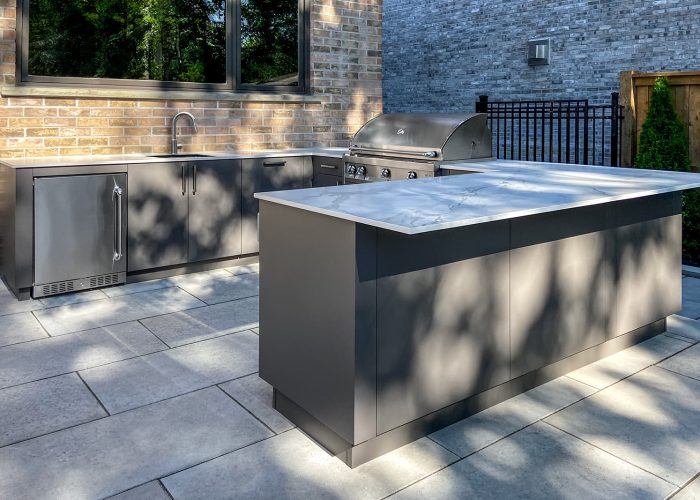
A luxury outdoor grill should heat with confidence. Once the lid closes and the burners are set, the temperature should rise steadily toward searing range — not stall around 250°F or 300°F while dinner plans start slipping.
If your built-in grill will ignite but refuses to get properly hot, the issue is usually not “just the weather.” Low heat can come from restricted gas flow, dirty burner ports, a regulator problem, incorrect valve operation, weak fuel supply, damaged heat-distribution components, or poor airflow inside the grill island.
Bay Area conditions can make these problems more noticeable. Coastal moisture, fog, salt air, wind exposure, pollen, grease buildup, and long periods of seasonal use all affect outdoor cooking systems. A grill that performed beautifully last summer may feel underpowered after a damp winter or months of lighter use.
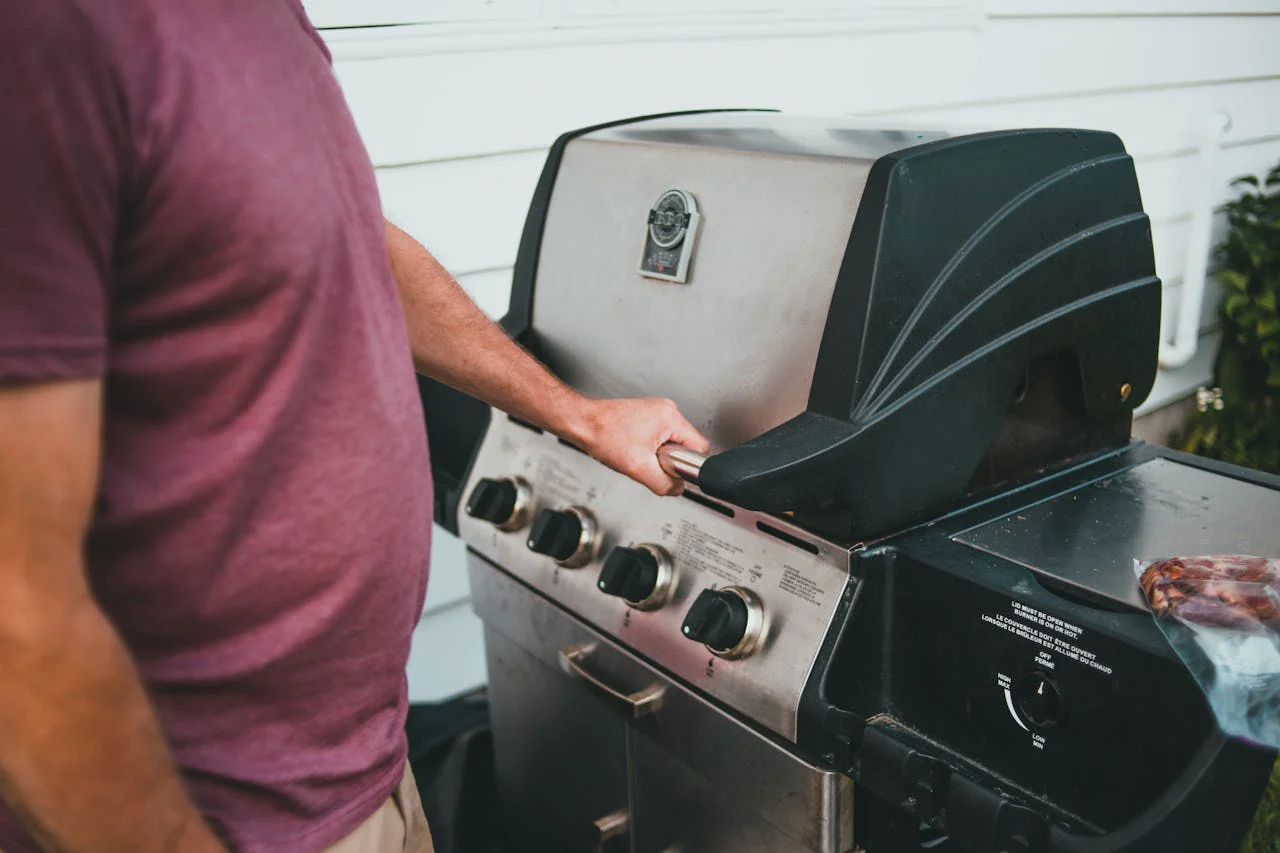
Is 300°F Really Too Low?
For low-and-slow cooking, 300°F may be perfectly usable. But when every main burner is on high, the lid is closed, and the grill still cannot move beyond that range, performance is not where it should be. A luxury BBQ system should be able to support direct grilling, roasting, browning, and high-heat searing when configured for those tasks.
The number on the hood thermometer is only one clue. Pay attention to preheat time, flame height, burner color, cooking results, and whether all burners behave the same way. A weak thermometer can create a false reading, but weak flame and slow cooking usually point to a genuine heat-output problem.
Common Causes at a Glance
| Possible Cause | What You May Notice | What It Means |
|---|---|---|
| Regulator Restriction | All burners stay low, grill heats slowly, flame looks smaller than usual. | Fuel is reaching the grill, but not at the volume needed for full heat. |
| Clogged Burner Ports | Missing flame sections, uneven heat, delayed ignition, weak output. | Grease, carbon, corrosion, or debris is reducing burner performance. |
| Gas Supply Problem | Heat drops when several burners are used, flame fluctuates, grill feels underpowered. | The grill may not be receiving adequate or stable fuel pressure. |
| Valve or Control Issue | One burner does not respond correctly to the knob or never reaches full flame. | The valve may be restricted, worn, or not opening fully. |
| Heat Distribution Damage | Hot spots, cold zones, weak radiant heat, poor searing. | Briquettes, trays, plates, or internal heat components are not distributing heat correctly. |
| Faulty Thermometer | Food cooks normally, but the hood gauge never shows high temperature. | The grill may be hot while the built-in gauge is reading incorrectly. |
1. The Regulator May Be Limiting Gas Flow
A regulator controls gas pressure before fuel reaches the valves and burners. If it enters a restricted state, becomes worn, or no longer responds correctly, the grill may ignite but remain stuck at low output. This is one of the most common explanations when every burner appears weak at the same time.
On propane systems, opening the tank valve too quickly can sometimes trigger a low-flow condition. On natural gas installations, supply pressure, shutoff position, line sizing, and regulator performance can all affect heat. If the problem keeps returning after a proper restart, the regulator and fuel system should be professionally tested.
2. Burner Ports May Be Clogged or Corroded
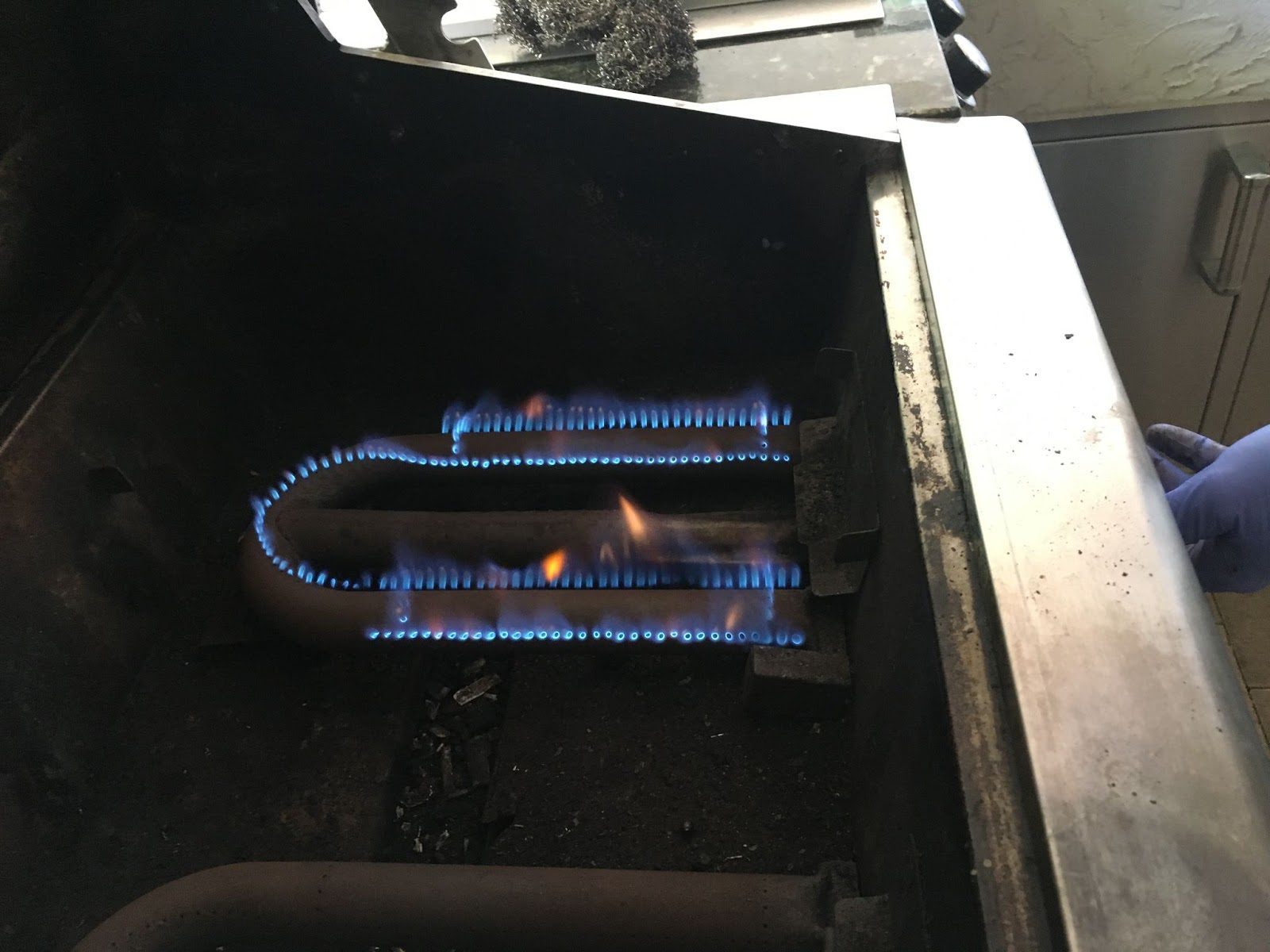
Burner ports are small openings that distribute flame along the burner. Grease, carbon, food residue, dust, insects, moisture, and corrosion can block part of that pattern. The burner may still light, but it cannot produce full, even heat.
Common signs include missing flame sections, a yellow or lazy flame, popping sounds, delayed ignition, and one side of the cooking surface staying cooler. A light surface cleaning may help, but aggressive scraping or enlarging burner ports can permanently change the flame pattern.
3. The Gas Supply May Be Too Low or Unstable
A luxury grill with multiple main burners, a sear zone, side burner, or rotisserie system needs a stable fuel supply. If the line cannot deliver enough gas, the grill may seem fine with one burner on but lose heat as additional burners are opened.
A nearly empty propane tank can reduce performance, particularly in cooler conditions or during heavy demand. Natural gas systems can be affected by partially closed valves, supply restrictions, pressure problems, installation changes, or competing gas appliances. These conditions require more than visual inspection.
4. A Valve May Not Be Opening Fully
Each burner valve controls the amount of fuel entering its burner. If a valve is worn, restricted, misaligned, or damaged, the knob may turn normally while the burner never reaches full output. One burner may remain lower than the others even after cleaning.
Stiff, loose, or inconsistent controls should not be forced. Valve service involves the gas manifold and must be handled carefully. On premium built-in grills, access may also require protecting custom cabinetry, stonework, electrical connections, and surrounding outdoor kitchen components.
5. Airflow and Fuel-to-Air Balance May Be Wrong
Burners need the correct combination of fuel and air. If the burner receives too little air, the flame may turn yellow, produce soot, and burn inefficiently. If airflow is excessive or the burner is misaligned, the flame may lift, become noisy, or blow out.
Air shutters, venturi tubes, burner position, island ventilation, and fuel configuration can all affect combustion. This is especially important if the grill has been converted between fuel types, moved, serviced incorrectly, or rebuilt after outdoor kitchen work.
Your grill lights, but it still will not get hot?
If the grill remains below 300°F after safe cleaning and basic checks, Prime Fix can diagnose the regulator, gas supply, burners, valves, airflow, and heat-distribution system across San Francisco and the Bay Area.
6. Briquettes, Heat Plates, or Internal Components May Be Damaged
Premium grills use heat-distribution systems to convert burner output into even cooking performance. Ceramic briquettes, trays, radiant plates, flame tamers, and other internal components absorb and spread heat while helping manage drippings.
If these parts are broken, heavily coated, missing, warped, or installed incorrectly, the grill may produce flame but still feel weak at the grates. It can also create hot spots, cold zones, smoke, or excessive flare-ups. A deep cleaning sometimes restores performance, but cracked or deteriorated components should be replaced with the correct parts.
7. The Hood Thermometer May Be Wrong
Before assuming the grill is truly underheating, consider the thermometer. Hood-mounted gauges measure air temperature near the lid, not the exact temperature at the cooking grate. They can also become inaccurate with age, heat exposure, moisture, or repeated temperature cycling.
If food sears normally, preheat time feels right, and the burners look strong, compare the hood reading with a reliable grill-surface thermometer. If both readings remain low and cooking performance is weak, the problem is real and should be diagnosed.
8. Wind, Ventilation, and Outdoor Kitchen Design Can Reduce Heat
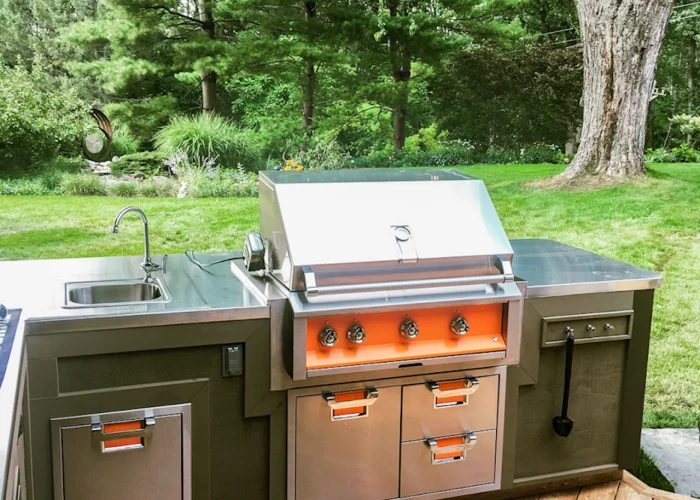
Bay Area homes often place outdoor kitchens on rooftops, terraces, hillside patios, and open decks. Wind moving across the firebox can pull heat away, disturb flame, and slow preheating. At the same time, a built-in island must have proper ventilation for safe operation.
The answer is not to block every vent. Poor island ventilation can trap heat or gas and create a safety problem. If the grill works normally in calm weather but struggles during common wind conditions, a professional should evaluate burner stability, installation, orientation, and approved ventilation options.
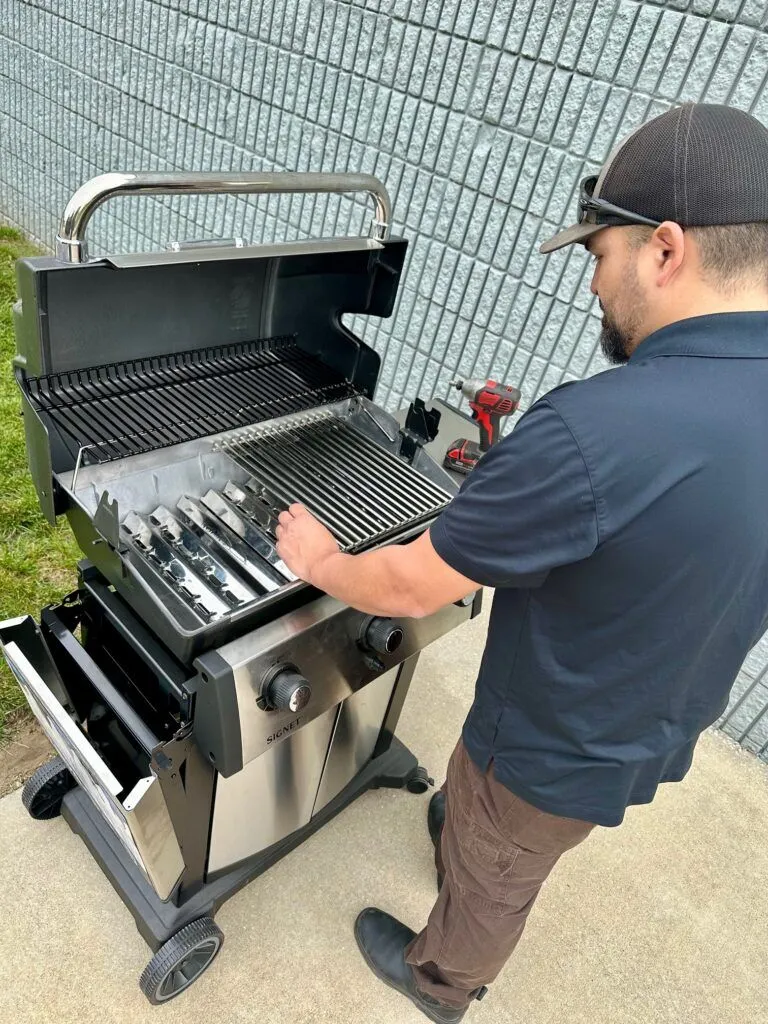
Safe Checks You Can Do Before Calling for Repair
Homeowners can perform several safe checks without opening the gas manifold or removing internal fuel components. These steps may reveal a simple issue or give the technician useful information.
- ●Compare the burners. Check whether all burners are weak or only one has reduced flame.
- ●Confirm the fuel supply. Make sure the shutoff valve is fully open and a propane tank, if used, is not nearly empty.
- ●Clean accessible surfaces. Remove loose grease, food residue, and debris from grates, trays, and visible burner areas after the grill is fully cool.
- ●Observe the flame. Look for small, yellow, uneven, lifting, or missing flame sections.
- ●Test in calm weather. This helps separate a permanent grill problem from temporary wind effects.
- ●Verify the temperature. Compare the hood thermometer with a separate grill-safe thermometer if available.
When DIY Troubleshooting Should Stop
Stop troubleshooting and schedule service if the grill has a gas odor, repeated delayed ignition, flame outside the burner area, heavy soot, unstable flame, controls that feel damaged, or burners that keep going out. These are not problems to solve through repeated relighting.
Regulator replacement, valve work, burner removal, pressure testing, fuel conversion checks, and gas-line diagnosis should be handled by a qualified professional. Premium outdoor kitchens can also involve difficult access, custom finishes, lighting, rotisserie wiring, and nearby refrigeration that must be protected during repair.
Why Choose Prime Fix for Luxury Grill Repair?
A high-end built-in grill needs more than generic BBQ troubleshooting. Prime Fix evaluates the burner system, gas supply, regulator, valves, ignition, ventilation, and heat-distribution components as one complete cooking system.
For homeowners across San Francisco, Marin, the Peninsula, the East Bay, the South Bay, and surrounding Bay Area communities, Prime Fix provides careful diagnostics and repair for luxury outdoor grills. If your grill will not heat above 300°F, the goal is to identify the real restriction and restore the strong, even performance the appliance was built to deliver.
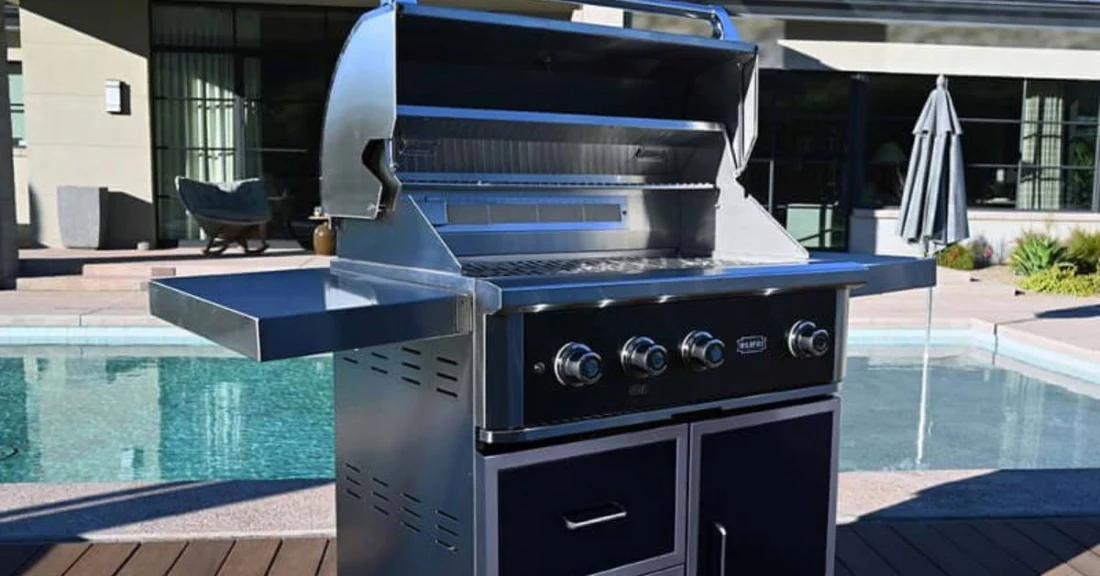 Proper service should restore steady flame, faster preheat, strong searing heat, and consistent cooking across the grill surface.
Final Thought: Low Heat Is a Symptom, Not the Diagnosis
A grill that stalls below 300°F may have a dirty burner, low fuel supply, restricted regulator, failing valve, damaged heat system, airflow problem, or inaccurate thermometer. Several of these issues produce nearly identical symptoms from the outside.
Start with safe checks: compare the burners, confirm fuel supply, clean accessible areas, observe the flame, and verify the temperature reading. If the grill still cannot produce proper heat, avoid guesswork and repeated resets. Contact Prime Fix for professional luxury grill repair in San Francisco and the Bay Area.