When a Sub-Zero freezer is working but the refrigerator is warm, the situation can feel confusing. The freezer is still making ice. Frozen food still feels solid. The compressor may still be running. Yet the fresh food compartment is creeping upward, drinks feel barely chilled, and produce starts losing its crispness.
For Bay Area homeowners, especially in homes with built-in premium kitchens across San Francisco, Marin, the Peninsula, and the East Bay, this is not a problem to ignore. A warm refrigerator compartment can risk food quality, put stress on the appliance, and signal a developing issue inside the airflow, fan, damper, control, or defrost system.
The good news: if the freezer is still working, the issue is often more specific than a complete cooling failure. The challenge is identifying exactly why cold air is not reaching or staying in the refrigerator section.
Why the Freezer Can Work While the Refrigerator Gets Warm
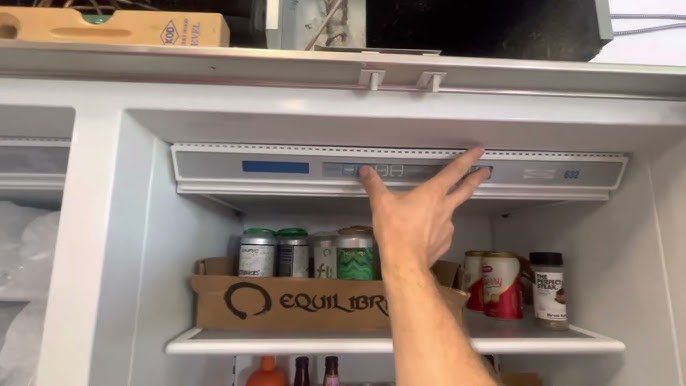
In many refrigeration systems, the freezer and fresh food compartments depend on controlled airflow, fans, sensors, and temperature regulation to keep each section at the correct temperature. If cold air is produced but not delivered properly to the refrigerator compartment, the freezer may still seem normal while the refrigerator warms up.
Sub-Zero units are engineered with precision, but that precision also means small failures can create very specific symptoms. A weak evaporator fan, blocked air channel, stuck damper, failed thermistor, dirty condenser, or defrost issue can all make the refrigerator section warm even when the freezer is still cold.
Common Causes at a Glance
The table below shows the most common reasons a Sub-Zero freezer may stay cold while the refrigerator compartment becomes warm.
| Possible Cause | What You May Notice | Why It Matters |
|---|---|---|
| Evaporator Fan Issue | Freezer cold, refrigerator warm, weak airflow, fan noise or silence. | Cold air may not be moving into the refrigerator compartment. |
| Blocked Airflow | Warm shelves, uneven temperature, vents blocked by food. | Air cannot circulate evenly through the fresh food section. |
| Damper Problem | Freezer stays cold but little cold air enters the refrigerator. | The air door may be stuck closed or not responding properly. |
| Defrost Failure | Frost buildup, reduced airflow, refrigerator warming over time. | Ice can block the air path between sections. |
| Door Gasket Leak | Moisture, condensation, warm air, door not sealing tightly. | Warm Bay Area kitchen air can enter and overwhelm the fresh food section. |
1. Evaporator Fan Not Moving Cold Air Properly
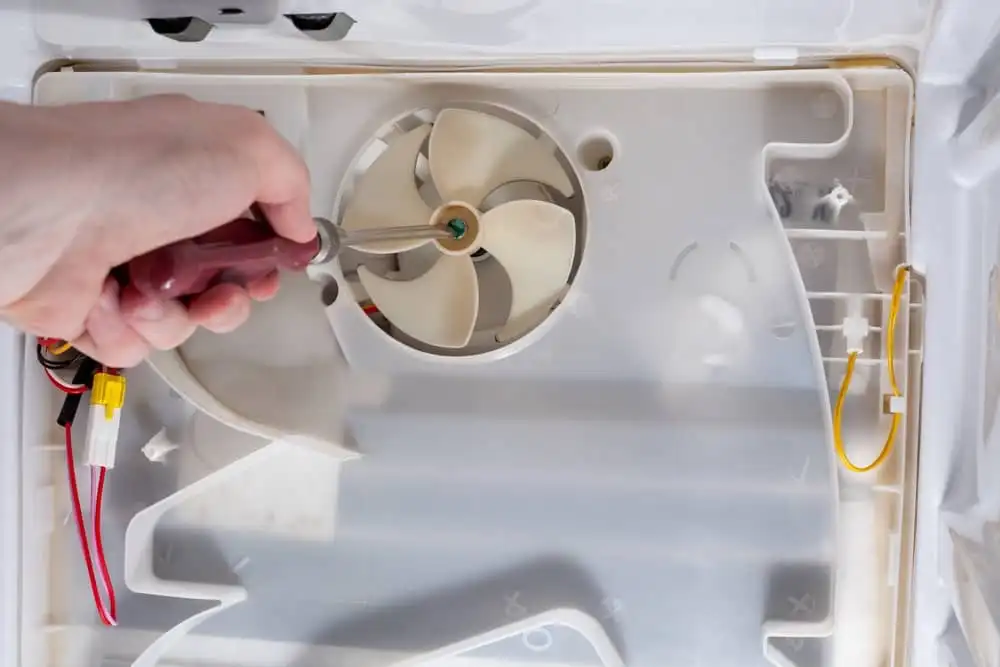
The evaporator fan is one of the first components to consider when the freezer is cold but the refrigerator is warm. Its job is to circulate cold air through the system. If the fan is weak, blocked, noisy, or not running at all, the freezer may remain cold while the refrigerator section gradually warms.
Homeowners may notice that one section of the refrigerator feels warmer than another, or that there is very little air movement from the vents. Sometimes a failing fan makes a buzzing, rattling, or grinding sound. Other times, it simply stops working quietly.
2. Blocked Vents or Poor Internal Airflow
Sometimes the issue is not a failed part but restricted airflow inside the cabinet. If food containers, tall bottles, or storage bins block the interior vents, cold air cannot move evenly through the refrigerator compartment.
This is especially common after grocery runs or meal prep when shelves get packed tightly. In a busy Bay Area kitchen, it is easy to overload the refrigerator without realizing that the vents need open space to work properly.
3. Damper or Air Door Stuck Closed
In many refrigerator designs, a damper or air door regulates how much cold air enters the fresh food compartment. If that damper is stuck closed, partially blocked, or not responding to temperature controls, the freezer may continue operating while the refrigerator compartment warms up.
This issue can be tricky because the cooling system may still be producing cold air. The problem is delivery. That is why professional diagnosis matters — a warm refrigerator section does not automatically mean the sealed system has failed.
4. Defrost System Trouble and Ice Buildup
A defrost problem can slowly block the airflow between sections. Frost builds up behind the interior panel, the fan struggles to move air, and eventually the refrigerator compartment becomes warm even though the freezer still feels cold.
Possible causes include a failed defrost heater, sensor issue, thermostat problem, control board fault, or blocked drain. You may notice frost on the back wall, water under drawers, or the refrigerator warming over several days rather than all at once.
5. Door Seal Leaks and Warm Air Intrusion
A weak door gasket can make the refrigerator section warm even when the freezer remains stable. If the fresh food door is not sealing tightly, warm air enters the compartment and the system struggles to recover. Moisture, condensation, frost, and uneven temperatures are common signs.
In coastal homes where humidity is higher, a weak gasket can show symptoms quickly. The refrigerator may feel slightly warm at first, then gradually become unable to maintain the set temperature.
Freezer is cold, but the refrigerator is still warm?
If airflow checks, gasket inspection, and temperature adjustments do not solve the issue, Prime Fix can diagnose the problem and help restore proper Sub-Zero performance across San Francisco and the Bay Area.
6. Dirty Condenser Coils Can Make Everything Worse
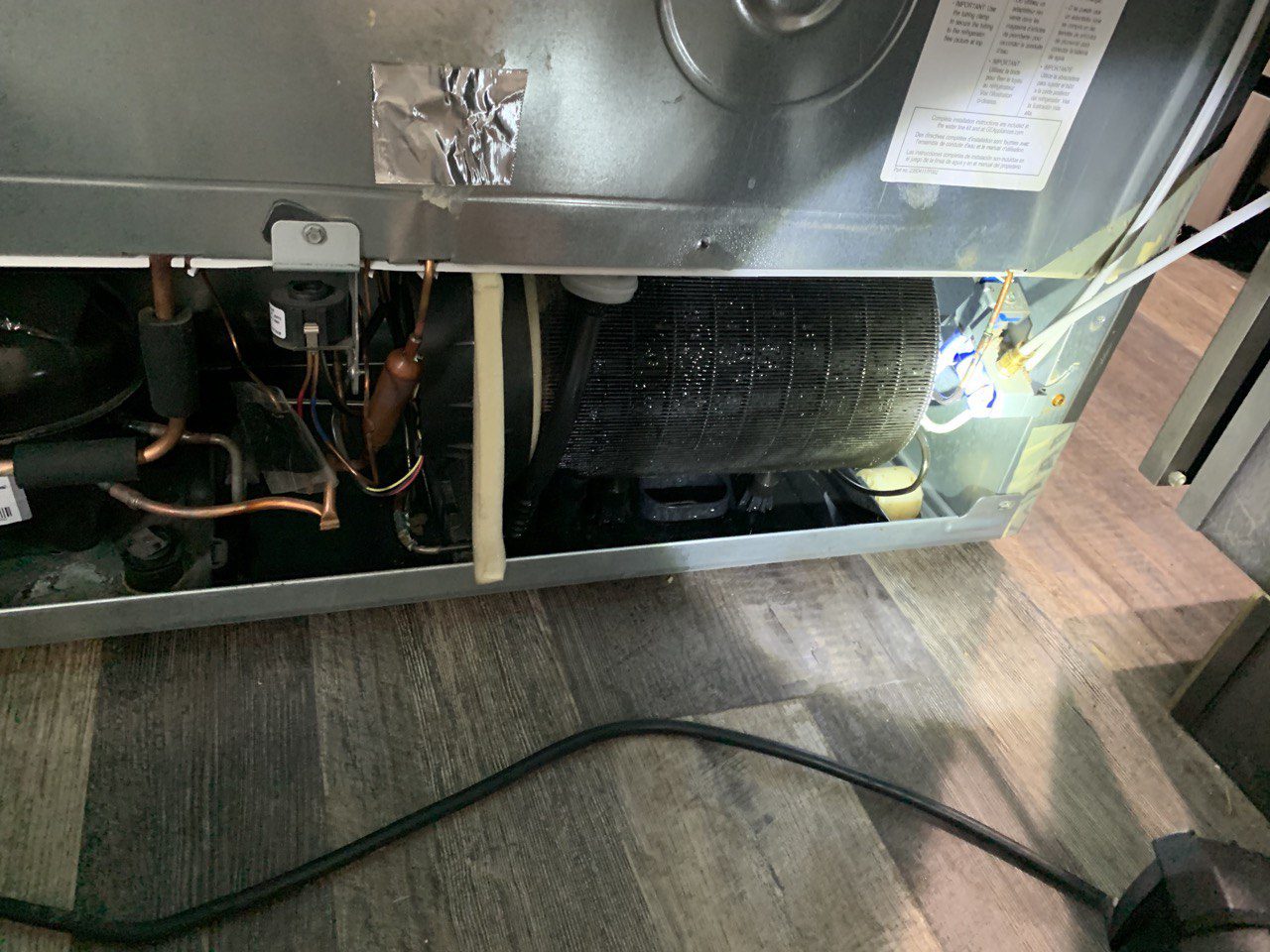
Dirty condenser coils may not be the only reason the refrigerator is warm, but they can make almost any cooling issue worse. When coils are coated with dust, pet hair, and kitchen debris, the system cannot release heat efficiently. The refrigerator works harder, runs longer, and may fail to recover properly.
This is a common Bay Area issue in homes with pets, open windows, or recent remodeling. Routine condenser cleaning is one of the most important maintenance steps for any premium built-in refrigerator.
Safe Checks Before You Call for Service
Before scheduling service, there are a few safe steps you can take. These checks may help rule out simple issues and give your technician useful information.
- ●Check the temperature settings. Make sure the fresh food section was not accidentally adjusted too warm.
- ●Clear blocked vents. Move food away from interior vents and give the unit time to stabilize.
- ●Inspect the door gasket. Look for cracks, gaps, debris, or weak contact around the frame.
- ●Listen for fan noise. A silent, grinding, or rattling fan may point to an airflow problem.
- ●Look for frost or water. Ice buildup, water under drawers, or moisture inside the cabinet can indicate defrost or drainage issues.
When to Call a Professional
Call for professional service if the refrigerator remains warm after basic airflow and gasket checks, if you see frost buildup, if the fan sounds unusual, if the unit runs constantly, or if food is no longer staying at a safe temperature.
A warm refrigerator compartment can strain the entire system. Waiting too long may turn a relatively focused repair into a more expensive problem, especially if the appliance continues running nonstop while trying to recover.
Why Choose Prime Fix for Sub-Zero Refrigerator Repair in the Bay Area?
Sub-Zero refrigeration deserves careful, brand-aware diagnostics. Prime Fix provides premium appliance repair across San Francisco, Marin, the Peninsula, the East Bay, and the wider Bay Area, with a focus on high-end refrigerators and built-in kitchen systems.
Whether the issue is a weak evaporator fan, blocked airflow, stuck damper, defrost failure, dirty condenser, door seal problem, sensor issue, or a deeper sealed-system concern, Prime Fix can help identify the real cause and restore reliable cooling.
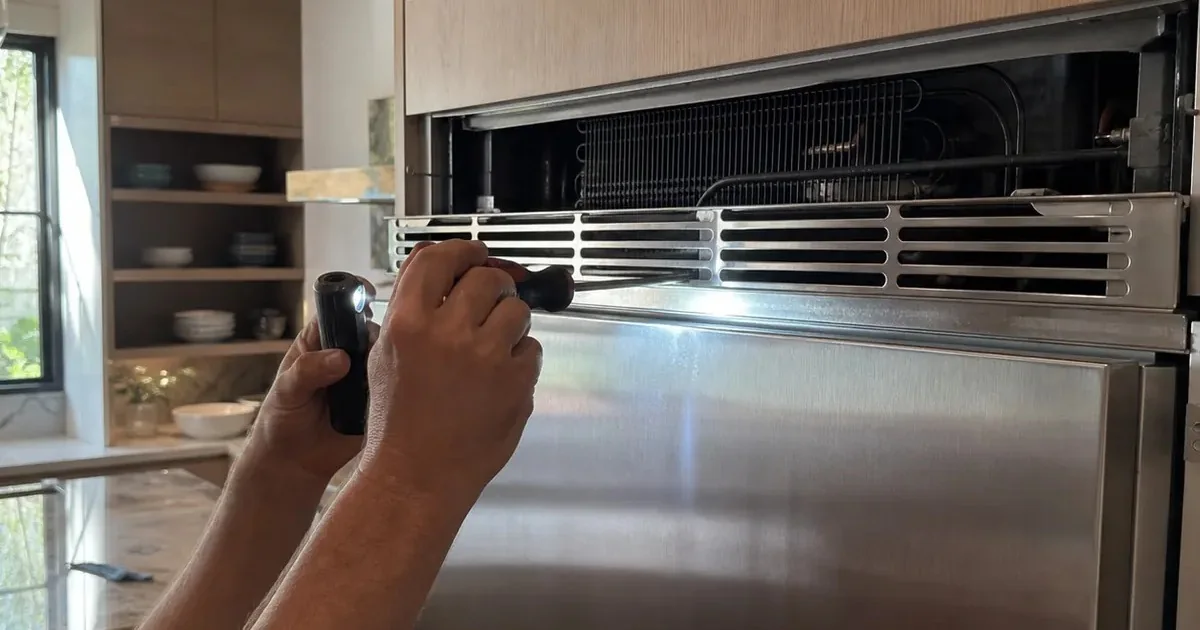 A proper diagnostic separates airflow problems from fan, damper, control, defrost, and sealed-system issues.
Final Thought: Do Not Wait Until the Freezer Starts Warming Too
When a Sub-Zero freezer works but the refrigerator is warm, the appliance is giving you an early warning. The cooling system may still be producing cold air, but something is preventing the fresh food section from receiving or holding it correctly.
Start with safe basics: check the settings, clear blocked vents, inspect the gasket, and look for frost or water. If the refrigerator compartment stays warm, contact Prime Fix for professional Sub-Zero refrigerator repair in San Francisco and the Bay Area.