When a Sub-Zero unit sounds like it’s running but the milk won’t stay cold, time matters. A sub-zero refrigerator not cooling can show up as a warm fridge, a softening freezer, or both drifting out of range.
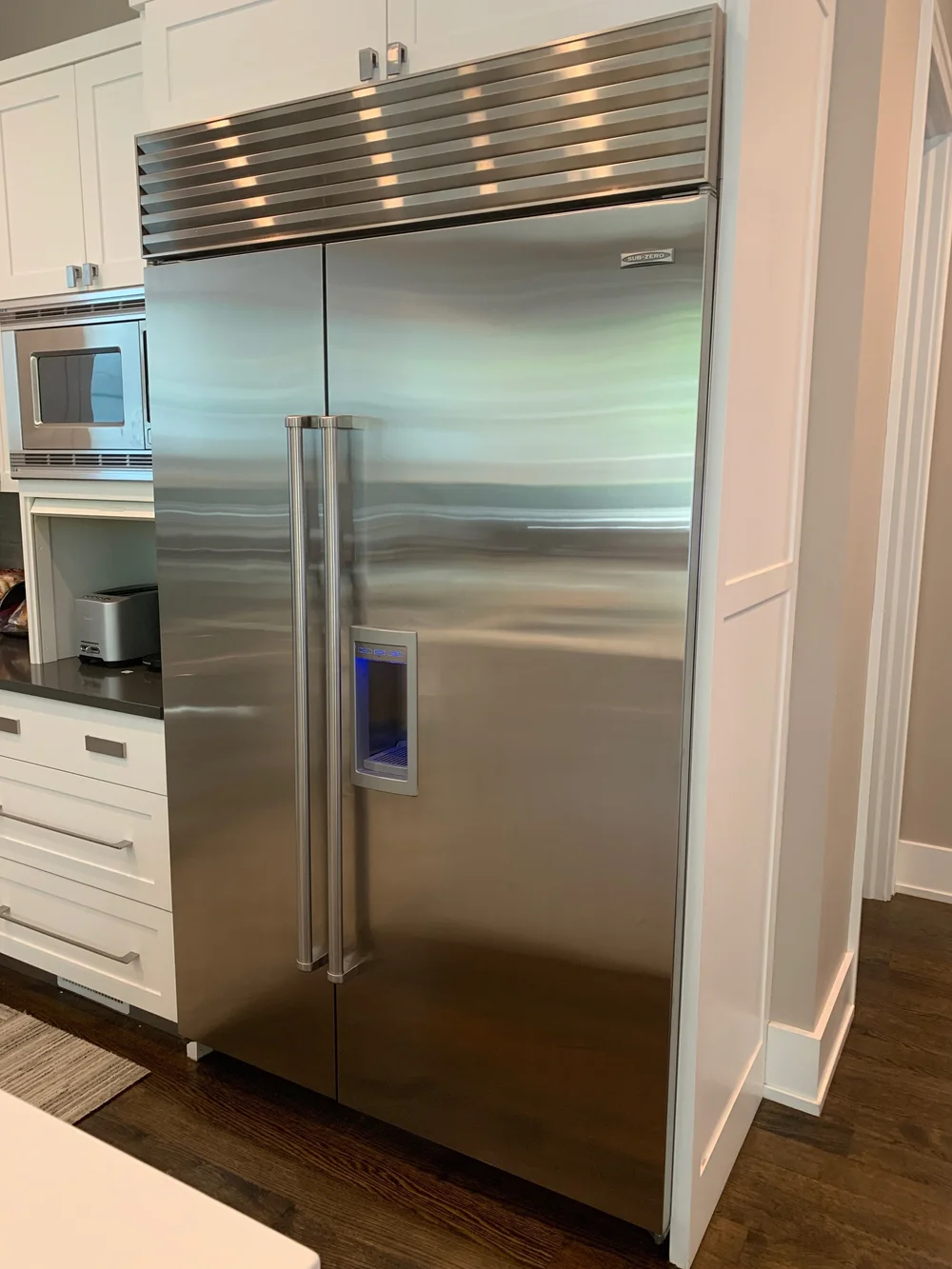
Sub-Zero cooling problems are not always caused by one “bad part.” These refrigerators use premium components, tight airflow paths, and model-specific panels, so a quick guess can waste hours and lead to food loss. The goal is to spot the pattern, confirm temperatures, then work through the likely causes in a clean order.
This guide starts with symptoms, then moves into basic safety checks, user settings, airflow, and condenser coil cleaning. After that, it covers deeper Sub-Zero repair topics like fan failures, defrost issues, compressor start parts, and sealed-system concerns that can worsen if ignored.
If you’d rather get help right away, Prime-Fix can be reached at (650) 899-636 for service on sub-zero refrigerator not cooling complaints and related Sub-Zero cooling problems.
Key Takeaways
- A sub-zero refrigerator not cooling can affect the fridge, the freezer, or both compartments at once.
- Sub-Zero cooling problems often relate to airflow, heat removal, or control settings, not just one failed component.
- Sub-Zero units are built differently, so careful, model-aware checks help avoid wasted time and spoiled food.
- This article follows a step-by-step path from symptoms to settings, coils, fans, defrost, and sealed-system issues.
- For fast Sub-Zero repair support, Prime-Fix is available at (650) 899-636.
Understanding Symptoms: Fridge Not Cold, Freezer Not Freezing, or Both
Before you assume a sub-zero fridge not working, pause and watch the pattern. Sub-Zero units cycle on and off, and short temperature swings can happen after door openings. A brief warm-up during an automatic defrost cycle can also be normal.
If the refrigerator temperature too warm seems constant, the details matter. Note how long the compressor runs, whether you hear fans, and if the cabinet sides feel unusually hot. Those clues help separate a one-time swing from a real cooling problem.
Signs a Sub-Zero fridge not working vs. normal temperature cycling
Normal cycling often looks like this: the fridge cools down, shuts off, then warms slightly until the next run. You may notice the top shelf changes faster because warm air enters high when the door opens.
When the refrigerator temperature too warm shows up as uneven cooling, check for airflow blockers. Overpacked shelves, covered return vents, or a stuck damper (model-dependent) can keep cold air from spreading. Many “not cooling” reports are really circulation problems, not total cooling failure.
When a Sub-Zero freezer not freezing points to airflow or defrost issues
A sub-zero freezer not freezing can still make some cold air, but ice buildup may choke the evaporator area. Frost that keeps coming back, paired with weak airflow, often signals a defrost system issue that restricts circulation.
If you see freezer temperature rising and the fridge also warms, the problem may be larger than one compartment. Dirty condenser coils, a weak condenser fan, or compressor start trouble can reduce cooling across the whole cabinet. Tracking when the freezer temperature rising began helps narrow the likely system.
| What you notice | What it often suggests | What to write down |
|---|---|---|
| Fridge warm, freezer near normal | Airflow restriction in the refrigerator section, evaporator fan weakness, blocked vents, or a damper issue (model-dependent) | Shelf-to-shelf temperature difference, vent blockage, fan sound with door closed |
| Freezer warming and fridge warming | Condenser coil heat not leaving the unit, condenser fan problems, compressor/start components, or sealed-system performance loss | Run time length, hot cabinet sides, clicking, repeated short cycling |
| Freezer not freezing with heavy frost or ice | Defrost system trouble reducing airflow through the evaporator area | Ice location (back panel vs. floor), airflow strength, how fast frost returns |
What food safety temperatures to confirm before troubleshooting
Use a reliable thermometer before moving food or changing settings. A refrigerator should hold about 37°F (3°C), and a freezer should hold about 0°F (-18°C). Readings taken right after a long door opening can look worse than they are, so recheck after the doors stay closed.
If the numbers confirm sub-zero fridge not working conditions, accuracy keeps you from chasing the wrong cause. Keep notes on sounds, frost, and whether the refrigerator temperature too warm happens all day or only at certain times. If the sub-zero freezer not freezing complaint lines up with freezer temperature rising over several hours, that timeline is useful later.
Quick Safety Checks Before Sub-Zero Refrigerator Troubleshooting
Before sub-zero refrigerator troubleshooting, start with refrigerator safety checks that reduce risk and prevent food loss. A few careful steps can also protect your kitchen surfaces while you figure out what changed.
Power, circuit breaker, and outlet verification
First, confirm the unit is actually on. Interior lights should respond, and the control display should look normal when you open the door or tap a control.
Next, check the home circuit breaker or GFCI that feeds the refrigerator. If it has tripped, reset it once and watch for a repeat trip. For outlet checks, avoid unsafe DIY electrical handling; if you can’t confirm power in a safe way, pause and arrange Sub-Zero service.
Stop right away if you notice a burning smell, repeated breaker trips, visible wiring damage, or heat that feels abnormal near the compressor area. Those signs can turn a simple issue into a bigger one fast.
Protecting floors and food while diagnosing cooling problems
Keep doors closed as much as possible. Each long door opening dumps cold air and can make temperatures swing, which complicates sub-zero refrigerator troubleshooting.
If temperatures rise above safe ranges, move perishables to a backup fridge or a cooler with ice. Use a thermometer to track temperatures after each change, so you can tell whether recovery is steady or stalled.
When accessing lower panels, lay down towels or a protective mat to catch dust and moisture. Avoid dragging the unit, since it can gouge floors and stress water lines or cords.
| Check | What to look for | Why it matters | Safe next move |
|---|---|---|---|
| Controls and lights | Display responds; interior lights turn on | Confirms the unit has basic power before deeper refrigerator safety checks | Close doors, then monitor temperature changes with a thermometer |
| Breaker or GFCI | Tripped switch, warm outlet cover, or repeated trips | Points to an electrical fault that can interrupt cooling | Reset once; if it trips again, stop and request Sub-Zero service |
| Food protection | Milk, meat, or leftovers warming; ice softening | Limits spoilage during sub-zero refrigerator troubleshooting | Move perishables to a cooler with ice; minimize door openings |
| Floor and cabinet area | Dust, moisture, or tight clearance near the base | Helps prevent water marks and scratches while you inspect safely | Use towels or a mat; avoid pulling the unit forward |
When to stop and call Prime-Fix at (650) 899-636
If the refrigerator or freezer is warming quickly, or basic refrigerator safety checks don’t change temperatures, it’s time to shift from guessing to diagnosis. The same goes if you suspect a sealed-system problem, like weak cooling that doesn’t improve after power and airflow basics.
For prompt Sub-Zero service, contact Prime-Fix (650) 899-636. This helps reduce the chance of ongoing food loss and prevents added strain on major components.
Common User Settings That Cause Cooling Problems
Before assuming a parts failure, take a minute to review the settings. A small change on the Sub-Zero control panel can make the box feel warm even when the unit is running. Sub-Zero temperature settings can also drift after a power outage or a recent adjustment.
Thermostat and control panel settings to recheck
Start by confirming the refrigerator and freezer setpoints on the Sub-Zero control panel. If the targets are set too high, food warms slowly and the compressor may not run the way you expect. After you correct Sub-Zero temperature settings, keep doors shut and allow time for the cabinet air and stored items to stabilize.
Also look for signs that a control lock is on. When the panel is locked, button presses may beep but not change the setpoint, which can hide an earlier mistake.
| What you notice | What to check on the Sub-Zero control panel | Why it matters | What to do next |
|---|---|---|---|
| Fridge feels cool but not cold | Refrigerator setpoint is warmer than intended | Higher targets can mimic a “not cooling” complaint | Reset the target, close the door, and recheck later with a thermometer |
| Freezer is soft or ice cream is scoopable | Freezer setpoint changed recently | Small changes affect ice production and food texture | Return to the desired target and avoid frequent door openings |
| Buttons don’t respond as expected | Control lock or keypad lock is enabled | Locked controls can prevent correcting Sub-Zero temperature settings | Unlock the keypad, then confirm both setpoints again |
| Display looks normal after an outage | Setpoints and modes after power return | Interruptions can reset behavior even if numbers look right | Confirm targets and watch for steady operation over the next few hours |
Sabbath mode, demo mode, and accidental lockouts
Modes can change how the refrigerator behaves, even when the display seems fine. Sub-Zero Sabbath mode may limit lights and alerts, and on some models it can change how often the unit responds to door activity. If the kitchen feels quiet and “different,” check whether Sub-Zero Sabbath mode is enabled.
Sub-Zero demo mode is another common trap. In Sub-Zero demo mode, the panel can appear active while cooling is reduced or disabled, depending on the model. If settings won’t “stick,” or the cabinet won’t pull down after hours, verify Sub-Zero demo mode is off and that no lockout is blocking changes.
Door alarm indicators and what they mean
Door alarms are more than noise; they are a temperature clue. A door left ajar, a weak seal, or frequent openings lets warm air enter and adds moisture load. That can raise temperatures and extend run times even when Sub-Zero temperature settings are correct.
If the indicator keeps returning, check that bins and shelves are not pushing the door out. Then confirm the alarm clears and the Sub-Zero control panel shows steady setpoints without switching back into Sub-Zero Sabbath mode or Sub-Zero demo mode.
sub-zero refrigerator not cooling
When a sub-zero refrigerator not cooling shows up on your day-to-day radar, start with numbers, not guesses. A simple cooling performance test can tell you if the problem is steady, getting worse, or slowly improving.
How to confirm the issue with accurate thermometer placement
Accurate refrigerator thermometer placement matters more than most people think. Put one thermometer in the center of the fresh-food section, away from the back wall and away from door bins.
In the freezer, tuck a second thermometer between frozen items so it reads the food zone, not the air near the door. For a cleaner reading, avoid checking right after loading warm groceries or after a long door-open moment.
| Where to measure | Best placement | What it helps confirm |
|---|---|---|
| Refrigerator compartment | Center shelf, mid-height, not touching walls or vents | True cabinet temperature vs. short bursts of cold air |
| Freezer compartment | Between frozen packages, toward the middle | Food-level freezing power vs. surface swings near the door |
| Door bins | Avoid for testing | Misleading warm readings from frequent opening |
What “running but not cooling” usually indicates
If the unit is running but not cooling, the system is working hard without shedding heat the way it should. Common patterns point to poor heat rejection (like dirty condenser coils or a weak condenser fan), restricted airflow (blocked vents or ice buildup), or reduced capacity in the sealed system.
This is where a repeat cooling performance test helps: compare the trend, not just one snapshot. A slow climb in temperature suggests a different path than a flat line that never improves.
How long to wait after adjustments before retesting temperatures
After you change a setting, clear airflow, or finish basic cleaning, give the cabinet time to settle before you judge results. Several hours is typical, and up to 24 hours may be needed for full stabilization depending on room temperature and how full the compartments are.
Track the starting temperature, what changed, and the next readings at set intervals. With sub-zero refrigerator not cooling complaints, this simple log often shows whether the unit is truly running but not cooling or just recovering from recent use.
Dirty Condenser Coils and Poor Heat Dissipation
When cooling gets weak over time, the cause is often simple: dirty condenser coils. These coils are built to release heat. When dust, pet hair, and kitchen grease stick to them, that heat stays trapped.
The result can look like a slow-motion failure. The compressor runs longer, cabinet sides feel warmer, and temperatures creep up. In many homes, a basic refrigerator not cooling fix starts with airflow and heat release, not a major part.
Why buildup causes weak cooling
Think of coil buildup like a winter coat on a radiator. The system can’t shed heat fast, so it struggles to pull heat out of the food area. That extra strain can show up as uneven temps and longer run times.
Sub-Zero condenser cleaning matters because these units are designed for tight temperature control. Even a light mat of lint can cut efficiency and make recovery slower after door openings.
Where to look on common models
On many Sub-Zero models, condenser coils sit behind the front grille or toe-kick area. Some models place them in a service-accessible compartment designed for routine access. The exact location varies, so the owner’s manual is the safest guide.
| Model style | Typical coil area | What you may notice before cleaning | Access basics |
|---|---|---|---|
| Built-in column units | Behind the front grille near the floor | Gradual warming, longer run time, warm cabinet edges | Remove grille carefully; keep hands clear of sharp metal |
| Built-in side-by-side | Lower front toe-kick zone | Fridge cools “okay” but won’t hold set temp | Open the lower panel area for direct line-of-sight to the coil |
| Undercounter refrigeration | Front intake area near the base | Noisy operation, heat around the unit, slow recovery | Check for a removable kickplate and a clear air path |
Safe cleaning steps and maintenance intervals
For safe access, power down the unit as appropriate before reaching into the coil area. Use a coil brush and a vacuum to lift debris off the fins. Keep motions gentle to avoid bending fins or snagging wiring.
Avoid forcing tools into tight gaps. Controlled, light passes work better than digging. This is one of the most reliable forms of preventative maintenance because it restores heat transfer without guesswork.
Cleaning frequency depends on your home. If you have pets, nearby laundry, or heavy cooking, schedule Sub-Zero condenser cleaning more often. Staying ahead of dirty condenser coils helps prevent the slow temperature slide that turns into a repeat refrigerator not cooling fix later.
Condenser Fan and Evaporator Fan Problems
When airflow slows down, a Sub-Zero can look “on” but still drift warm. Fan issues often show up as uneven temperatures, longer run times, and heat that seems trapped around the cabinet. A careful Sub-Zero cooling diagnosis starts with what you can sense: temperature, sound, and airflow at the vents.

Symptoms of a failed condenser fan (hot cabinet, weak cooling)
The Sub-Zero condenser fan helps push heat away from the sealed system. If it slows or stops, the compressor may run longer because heat can’t leave the unit well. In a warm kitchen, that strain becomes more obvious.
Common clues include a hot back or toe-kick area, soft cooling in both sections, and a cabinet that feels warmer than usual on the outside. If you suspect a refrigerator fan not working, the condenser area is one of the first places where heat buildup tells a story.
Symptoms of a failed evaporator fan (warm fridge, icy freezer)
The Sub-Zero evaporator fan moves cold air through the refrigerator and across model-specific channels. When it fails, the refrigerator section often warms first, even if the freezer still feels cold at times. Cooling can turn patchy, with some shelves staying safe while others climb.
Frost or ice can also build in the wrong places because airflow across the evaporator is weak. During a Sub-Zero cooling diagnosis, this pattern often points back to a struggling Sub-Zero evaporator fan rather than a simple setting issue.
What noises, vibrations, or silence can tell you
Sound is a useful clue when a refrigerator fan not working is on the list. A grinding or rattling noise can mean a worn motor or a blade hitting ice. Buzzing or clicking that comes and goes may suggest the motor is trying to start but can’t keep spinning.
Silence can matter, too. If cooling should be active but you hear no fan movement, it can fit a stalled Sub-Zero condenser fan or a stalled Sub-Zero evaporator fan, depending on where the sound is missing.
| What you notice | Most likely airflow source | What it can look like day to day | Helpful detail for Sub-Zero cooling diagnosis |
|---|---|---|---|
| Hot toe-kick or back area, longer run times | Sub-Zero condenser fan performance drop | Both sections cool slowly, especially in warmer rooms | Heat is not being expelled, so the system struggles to stabilize |
| Refrigerator warms while freezer is uneven or extra frosty | Sub-Zero evaporator fan airflow loss | Top shelves fluctuate, produce drawers run warm, freezer may ice up | Cold air is made but not distributed through the fresh-food section |
| Grinding, rattling, or vibrating near a vent area | Fan blade obstruction or worn motor | Noise changes as the door opens or closes; cooling may dip at times | Often matches ice contact or a loose blade, not just normal cycling |
| Intermittent buzzing or clicking with weak airflow | Motor or electrical control issue | Cooling comes in short bursts, then falls behind again | Fits a refrigerator fan not working consistently under load |
Airflow Issues: Blocked Vents, Overpacking, and Door Seal Leaks
Sub-Zero cooling is built around steady circulation. When that flow gets interrupted, the cabinet can feel cold in one spot and warm in another. This Sub-Zero airflow problem is often mistaken for a bigger failure, even though the unit is still running.
How blocked air returns cause uneven temperatures
Air outlets and returns work like a loop. If the return path is covered, chilled air may stay trapped near the vent, while other shelves drift warmer. The result is uneven fridge temperatures that show up as soft produce, sweating containers, or a lukewarm top shelf.
A blocked vents refrigerator issue often comes from everyday items. Large platters, gallon jugs, shelf liners, and overhanging bags can press right against vent slots. Even a thin plastic wrap can redirect airflow enough to create hot zones.
How overpacking prevents proper circulation
Overpacking slows down air movement between items. Cold air can’t spread, so the fridge takes longer to recover after door openings. In a tight load, the back wall may freeze while the door bins warm, another common pattern behind uneven fridge temperatures.
Dense stacks also hide the real cause of a Sub-Zero airflow problem. When food blocks the designed channel near vents, sensors may read cold while the center of the shelf stays warmer. That mismatch can make temperature swings feel random.
Checking gaskets for gaps, tears, and poor alignment
A door seal leak lets warm, moist air creep in every time the gasket fails to press evenly. Look for hardened rubber, splits at the corners, or spots that pull away from the door. Moisture beads, light frost, and frequent running often follow when sealing is weak.
Door alignment matters, too. If the door sits slightly low or feels too easy to close, the gasket may not compress. In that case, a door seal leak can mimic a blocked vents refrigerator complaint by triggering uneven fridge temperatures and extra frost near the cold air path.
| What you notice | Likely airflow or sealing cause | Where to look first | Why it affects cooling |
|---|---|---|---|
| Cold spot near the back, warm food in the middle | Sub-Zero airflow problem from restricted return path | Rear vents, return slots, tall containers pushed to the back | Chilled air pools at the outlet instead of circulating across shelves |
| Top shelf warm, lower shelf colder | Blocked vents refrigerator pattern from items covering upper vents | Upper vent openings, bags or liners draped over slots | Upper zone doesn’t receive steady airflow, so heat lingers |
| Moisture on door bins, light frost near the front | Door seal leak pulling humid air into the cabinet | Gasket corners, hinge side, areas with hardened or torn rubber | Warm air raises load and adds moisture that can freeze on cold surfaces |
| Temps swing after short door openings | Overpacking plus limited circulation causing uneven fridge temperatures | Tight stacks, items touching side walls, crowded space near vents | Air can’t move between items, so recovery is slower and less even |
Frost Buildup and Defrost System Failures
Light frost that comes and goes is common, especially after frequent door openings. Sub-Zero frost buildup becomes a problem when it turns thick, returns fast, or spreads beyond the back wall. When ice lingers, airflow drops and temperatures drift.
A simple clue is where the frost sits. A thin, even layer can be normal. Heavy ice behind interior panels, along the air vents, or packed on the coil often points to evaporator icing that the unit can’t clear on its own.
How to spot a defrost problem vs. normal light frost
Normal frost stays light and wipes away without chunks. Trouble starts when you see bulging ice sheets, a stiff fan sound, or weak air coming from the vents. In many homes, these signs show up before food feels fully warm.
When a defrost system failure is present, the freezer may run longer yet cool less. The refrigerator side can also warm because cold air can’t move through the ducts as designed.
Defrost heater, defrost thermostat, and control board warning signs
The defrost heater is meant to melt frost off the evaporator at set times. The defrost thermostat or sensor helps control temperature during that melt cycle and keeps parts from overheating. A control board or timer coordinates when the cycle starts and how long it lasts.
| Component | Primary job | Common warning signs | What you may notice day to day |
|---|---|---|---|
| Defrost heater | Melts ice on the evaporator coil | Ice returns quickly, thick sheets behind panels | Freezer runs often, airflow feels weak |
| Defrost thermostat or sensor | Regulates defrost temperature and shutoff | Defrost stops too soon or runs at the wrong time | Inconsistent temps, random thawing and refreezing |
| Control board or timer logic | Schedules and manages defrost cycles | Defrost never starts, or starts too frequently | Unusual run patterns, repeated Sub-Zero frost buildup |
Why heavy ice can lead to a Sub-Zero freezer not freezing properly
It sounds backward, but thick ice can act like a blanket. With evaporator icing, air can’t pass across the coil, so heat exchange drops. That restriction is a common reason for a sub-zero freezer not freezing even though the compressor seems to be working.
Because the evaporator sits behind panels and involves electrical parts, this is one area where care matters. Removing covers or handling wiring without the right steps can damage insulation, break clips, or create safety risks during troubleshooting.
Compressor and Start Components: When Cooling Stops Completely
When the lights are on and the display looks normal, it’s easy to miss what’s happening behind the grille. If the refrigerator not cooling at all, the issue often centers on the compressor circuit that has to start cleanly and keep running under load. A Sub-Zero compressor problem can begin as a small start issue and then turn into repeated shutdowns that warm both compartments fast.

Start relay and capacitor symptoms
The start relay and capacitor give the compressor an extra push at startup, then help it run efficiently. With start relay failure, you may hear a click every few minutes as the unit tries to start and then gives up. Another common pattern is a low hum followed by silence.
Capacitor symptoms can be subtle at first. Cooling may come and go, then stop for longer stretches. Temperatures climb quickly, even though the fans and controls may still appear active.
| What you notice | What it often points to | What changes in the cabinet |
|---|---|---|
| Clicking at regular intervals with no steady run | start relay failure preventing the compressor from staying on | Rapid warming and little to no compressor vibration |
| Humming for a few seconds, then shutting off | capacitor symptoms or a relay that can’t handle the start load | Short bursts of cooling, then a fast temperature rebound |
| Intermittent cooling that becomes less frequent over days | Weak start parts stressing the motor over time | Food feels soft, ice production slows, and recovery is poor |
Compressor overheating and short cycling clues
Short cycling is when the compressor runs briefly, stops, and repeats. This can happen when the internal overload protector trips from heat or high amperage draw. It may sound like the unit is “trying” to run but never settles into a steady rhythm.
If the refrigerator not cooling at all and the compressor area feels unusually hot, airflow and ventilation can be part of the story. Still, a Sub-Zero compressor problem is also on the list, especially when short cycles continue after basic airflow issues are ruled out.
When professional sealed-system service is required
Once start relay failure and capacitor symptoms are suspected, the next step often involves electrical testing under load and inspection of the sealed system. These repairs call for specialized tools, correct parts, and safe handling practices. DIY attempts can damage wiring, overload the compressor, or turn an intermittent issue into a refrigerator not cooling at all scenario.
A steady pattern of clicking, overheating, or repeated short cycling is a clear sign that the compressor start circuit and sealed components need a closer look. In many cases, this is where a Sub-Zero compressor problem shifts from basic troubleshooting to professional service.
Refrigerant Leaks and Sealed System Issues
When cooling fades in a Sub-Zero, the problem is not always a setting or airflow. A sealed system issue involves the compressor, refrigerant, evaporator, condenser, and the tubing that connects them. If any part can’t move heat the right way, temperatures drift and food warms.
Some refrigerant leak symptoms show up slowly. The fridge may cool a little, then struggle during warm afternoons. Run times stretch longer, and the unit may never hit the set point even though the fans seem normal. In day-to-day sub-zero refrigerator troubleshooting, that “almost cold” pattern is a common clue.
Low refrigerant indicators (partial cooling, long run times)
Low charge usually looks like uneven performance, not a total shutdown. You might notice soft ice cream in the freezer while the fresh food side stays slightly cool. Over weeks, it often gets worse, with longer cycles and wider temperature swings.
A sealed system issue can also mimic other faults, like dirty coils or a weak door seal. That’s why symptoms alone aren’t enough to confirm the cause. A proper Sub-Zero refrigerant diagnosis pairs what you see at home with measured temperatures and system behavior.
Why frost patterns on the evaporator matter
Frost patterns on the evaporator can tell a trained eye a lot. A light, even frost tends to suggest normal heat transfer. Frost that clumps in one spot or leaves large bare areas can point toward an undercharge or a flow restriction, especially when matched with pressure and line temperature readings.
These patterns matter because they help separate refrigerant leak symptoms from airflow or defrost problems. They also guide the next checks, so the repair targets the real failure instead of the noise around it.
What to expect from professional diagnosis and repair
Professional Sub-Zero refrigerant diagnosis usually starts with basic temperature verification, airflow checks, and electrical testing. If those results don’t explain the loss of cooling, sealed-system diagnostics follow. That can include evaluating operating pressures, superheat, and heat exchange across key components.
| What gets checked | What it can reveal | Why it matters |
|---|---|---|
| Cabinet temperatures and recovery time | Whether the unit can pull down to safe temps after door openings | Shows real cooling capacity under normal use |
| Condenser condition and airflow path | Heat trapped at the condenser that mimics weak refrigerant performance | Prevents mislabeling basic heat-dissipation problems as a sealed system issue |
| Evaporator frost pattern and coil temperature | Clues of undercharge, restriction, or uneven refrigerant feed | Supports accurate diagnosis before any sealed system work begins |
| System pressures and line temperatures | Evidence of low charge, restriction, or compressor performance limits | Backs up visual clues with measured data |
Compared with routine sub-zero refrigerator troubleshooting, sealed-system repairs are more involved. The process may include leak detection, repairing the tubing or joint, evacuating moisture and air, then recharging to the correct specification. The goal is stable temperatures and steady capacity, not short-term improvement.
How to Fix Sub-Zero Refrigerator Cooling Issue: Practical Steps and When to Call
When a Sub-Zero starts running warm, move in a steady order. This approach keeps sub-zero refrigerator troubleshooting simple and helps avoid repeat mistakes. Use the checklist below to narrow the cause before booking a Sub-Zero repair service.
What homeowners can do: cleaning, reset steps, and airflow corrections
Start by confirming temps with a reliable thermometer. Place it in a glass of water on a middle shelf, then wait 20–30 minutes. For the freezer, place it between frozen items, not against a wall.
Next, recheck the basics: setpoints, Sabbath mode, demo mode, and any lock setting. Make sure doors shut with a firm seal, and inspect gaskets for gaps or folds. If the door is out of line, the gasket can leak cold air.
Restore airflow by clearing vents and returns, then reduce overpacking. After that, clean condenser coils and the grille area, including dust and pet hair. Once changes are done, allow 24 hours for temperatures to stabilize, then re-measure to finish your sub-zero refrigerator troubleshooting.
- Measure correctly: fridge thermometer in water; freezer thermometer between items.
- Verify settings: temperature setpoints, Sabbath/demo, control lock.
- Check closure: doors fully close; gaskets sit flat and clean.
- Improve circulation: clear vents/returns; avoid packing tight to the back wall.
- Clean heat removal: condenser coils and intake area free of lint and hair.
- Wait and retest: allow a full day, then confirm temps again.
What should be handled by a technician: fans, defrost parts, sealed system
Some repairs need testing under load and safe handling of electrical and refrigerant systems. Fan motor diagnostics, defrost heater or thermostat checks, and control troubleshooting fall into technician work. The same is true for compressor start components, clicking or short cycling, and any sealed-system or refrigerant issue.
| Decision point | What you may notice | Best next step |
|---|---|---|
| Cooling still weak after coil cleaning and airflow fixes | Fridge stays above safe range; run time is long | Schedule a Sub-Zero repair service for fan and control diagnostics |
| Heavy ice returns after clearing it | Freezer airflow drops; fridge warms while freezer looks frosty | Technician checks defrost heater, thermostat, and control system |
| Repeated clicking or short cycling | Starts, stops, then tries again; cabinet temps drift up | Test start relay/capacitor and compressor performance |
| Signs pointing to sealed-system trouble | Partial cooling, odd frost pattern, or persistent warming | Stop DIY work and request sealed-system diagnosis |
Scheduling service with Prime-Fix: (650) 899-636
If you’ve worked through the checklist and temperatures still climb, it’s time to book professional help. For a focused diagnosis and Sub-Zero repair service, contact Prime-Fix (650) 899-636. This is often the fastest way to resolve how to fix sub-zero refrigerator cooling issue when the problem sits beyond normal cleaning and airflow correction.
Conclusion
When a sub-zero refrigerator not cooling becomes obvious, start with the basics and work in order. Confirm the real temperature with a reliable thermometer, then check power and control settings, including modes that can limit cooling. This quick sequence helps you avoid guesswork and protects the food inside.
Next, focus on heat and airflow. Dirty condenser coils, blocked vents, heavy loading, and door seal leaks can all raise cabinet temperatures and make the unit run longer. If a sub-zero freezer not freezing shows up with warm spots or uneven chill, airflow limits and frost buildup are often close behind.
Listen for fan trouble and watch for defrost warning signs, like heavy ice on the back wall or a fridge section that warms while the freezer stays cold. If the compressor is short cycling, overheating, or cooling drops off in a steady way, the problem may be in the sealed system. Those repairs call for trained tools and safe handling.
Food safety is time sensitive, so don’t wait if temperatures stay above safe ranges after the basic steps. For a sub-zero refrigerator not cooling or a sub-zero freezer not freezing that keeps coming back, Prime-Fix (650) 899-636 can help diagnose the cause and restore stable cooling.