When your Sub-Zero starts acting up — that iconic service light blinking, the interior warming, your carefully sourced groceries at risk — it’s not just an inconvenience. It’s a signal that something inside one of the world’s most sophisticated refrigeration systems demands attention.
Sub-Zero appliances have long been the gold standard in luxury kitchen design across the Bay Area — from Pacific Heights to Los Altos Hills, these units are built to perform flawlessly for decades. But even the most elite engineering requires maintenance and, occasionally, expert diagnostics. Understanding what the blinking service light is telling you can be the difference between a quick fix and a costly oversight.
What Does the Blinking Service Light Mean?
The service indicator on your Sub-Zero unit is not a nuisance feature — it’s a precision-engineered diagnostic alert. When this light begins to blink, your refrigerator’s internal monitoring system has detected a condition that falls outside its optimal operating parameters.
Depending on the model and the blink pattern, the unit may be flagging anything from a minor sensor anomaly to a more serious compressor or sealed-system issue. The number of blinks, typically 1 through 9, corresponds to a specific fault code:
| Blink Pattern | What It Signals |
|---|---|
| 1–2 Blinks | Temperature sensor / thermistor issue — the unit struggles to accurately read interior temperatures. |
| 3–4 Blinks | Condenser fan motor failure or airflow obstruction. Dust and pet hair accumulation are common culprits in Bay Area homes. |
| 5–6 Blinks | Evaporator fan or defrost system issue — the unit runs but won’t cool properly. |
| 7–9 Blinks | Serious sealed-system indicators. These typically warrant immediate professional assessment to prevent full compressor failure. |
Common Reasons Your Sub-Zero Isn’t Cooling
Not every cooling failure is catastrophic. In fact, many of the most frequent causes are straightforward to diagnose with the right expertise — and preventable with routine maintenance. Here are the primary reasons a Sub-Zero unit loses its cooling capability:
Dirty or Blocked Condenser Coils
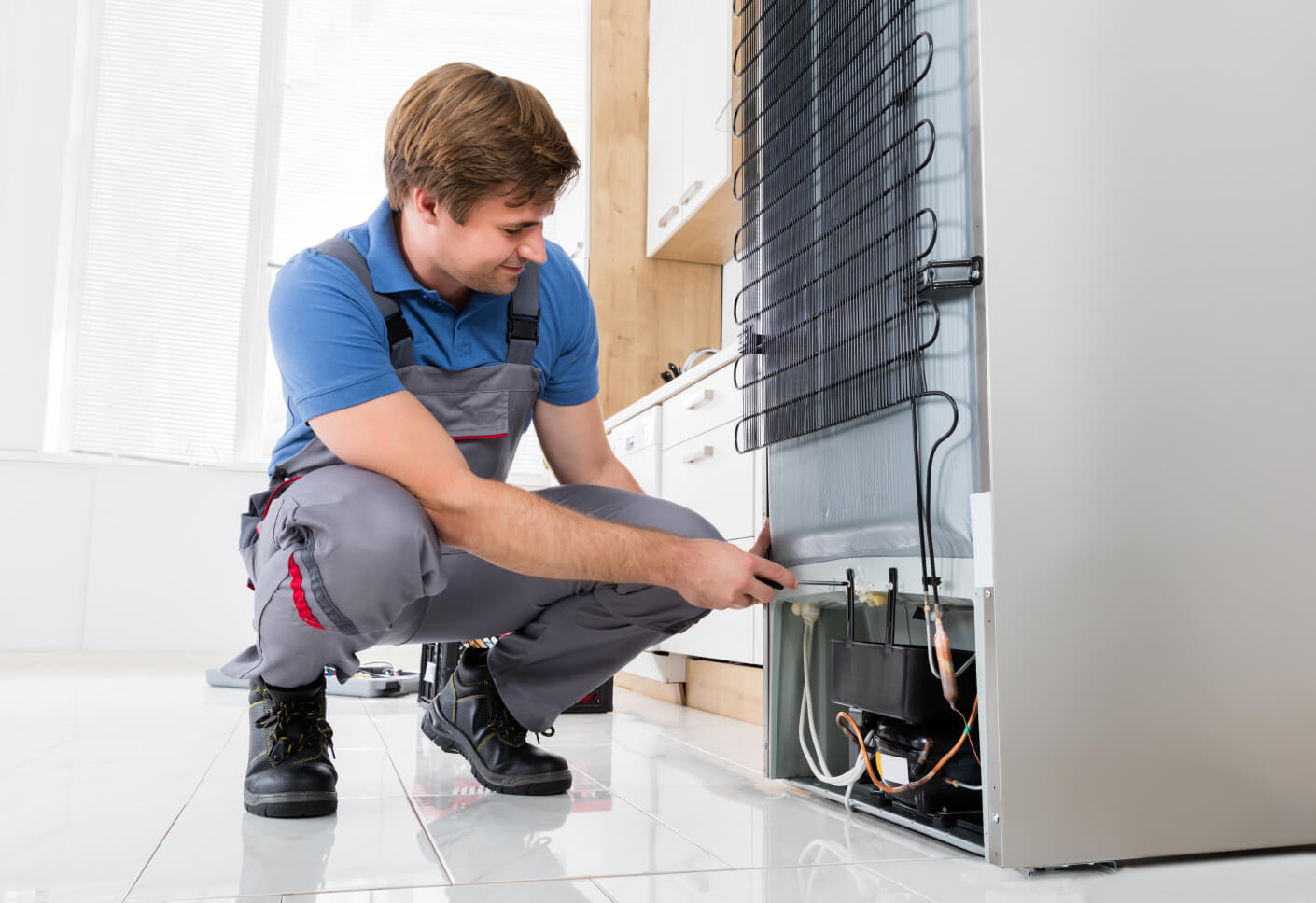
This is the number one cause of cooling issues in Sub-Zero units — bar none. The condenser coils dissipate heat extracted from the refrigerator’s interior. When they’re coated in pet hair, kitchen grease, and fine particulate buildup, the unit works exponentially harder to maintain temperature, ultimately failing to do so efficiently.
Sub-Zero recommends cleaning the condenser coils every 6 to 12 months. This single maintenance step extends the life of your unit significantly and prevents the majority of service calls.
Faulty Door Seals (Gaskets)
A worn or compromised door gasket is a silent performance killer. Even a small gap allows warm, humid air to infiltrate the cabinet — the compressor then runs overtime trying to compensate, often triggering an error state. Check your door seal by closing the door on a single sheet of paper: if it slides out without resistance, your gasket needs attention.
Defrost System Failure
Sub-Zero units use an automatic defrost cycle to prevent ice buildup on the evaporator coils. If the defrost heater, thermostat, or timer fails, ice accumulates rapidly — blocking airflow and causing the cabinet to warm. This often presents as a unit that cycles but doesn’t cool, accompanied by an unusual buzzing sound.
Compressor or Sealed System Issues
This is the heavy hitter. The compressor is the heart of the refrigeration system — if it’s failing, your unit won’t cool regardless of other conditions. Signs include the unit running continuously without reaching temperature, or not running at all. Sealed system work requires EPA 608-certified technicians and is typically covered under Sub-Zero’s extended warranty.
Step-by-Step: What to Do First
Before calling for service, there are a few things every homeowner can safely check:
- 1Check the power and settingsEnsure the unit is properly plugged in, the circuit breaker hasn’t tripped, and the thermostat settings haven’t been accidentally changed.
- 2Count the blink patternNote exactly how many times the service light blinks before pausing. This code is the first piece of information your technician will ask for — having it ready saves time and money.
- 3Inspect the door sealsRun your hand along the perimeter of the closed door. Any cold air escaping, or visible cracks or gaps in the gasket, indicates a seal problem.
- 4Check for ice buildupOpen the freezer compartment and look for excessive frost accumulation on the back panel — this typically points to a defrost system issue.
- 5Clean the condenser grilleUsing a soft brush or vacuum with a brush attachment, gently clean the grille at the base or top of your unit. Be careful not to bend the delicate fins.
Tried everything and still no luck?
If none of the steps above resolved the issue, it’s time to bring in certified professionals. Prime Fix specializes exclusively in premium appliance repair across the Bay Area — we’ll diagnose and fix your Sub-Zero the right way, the first time.
Why Sub-Zero Requires Specialist Care
Sub-Zero is not your average appliance. These units use proprietary components, dual compressor systems in many models, and sophisticated electronic control boards that require factory-level training to diagnose and repair correctly.
The Bay Area has no shortage of general appliance repair services — but a technician who excels with a standard refrigerator may lack the specialized knowledge to properly service a Sub-Zero. Incorrect repairs don’t just fail to solve the problem; they can permanently damage sealed-system components, void your warranty, and ultimately cost far more than a proper repair would have.
When to Call for Service Immediately
Some situations call for prompt professional attention — don’t wait if you notice any of the following:
- ●Temperature above 45°F in the refrigerator compartment — food safety is at stake. The FDA recommends discarding perishables kept above 40°F for more than two hours.
- ●The unit is running continuously without reaching set temperature — this puts severe strain on the compressor.
- ●Unusual sounds — clicking, buzzing, or grinding noises are never normal for a Sub-Zero operating correctly.
- ●Water pooling inside or beneath the unit — this can indicate a blocked drain line or a defrost system overflow.
- ●The service light won’t reset after addressing obvious issues — the fault code is persistent and requires professional diagnosis.
Protecting Your Investment Going Forward
Sub-Zero appliances represent a significant investment — one that, with the right care, pays dividends in reliability and performance for decades. Beyond reactive repairs, a proactive maintenance schedule keeps your unit operating at its best and often prevents service calls entirely.
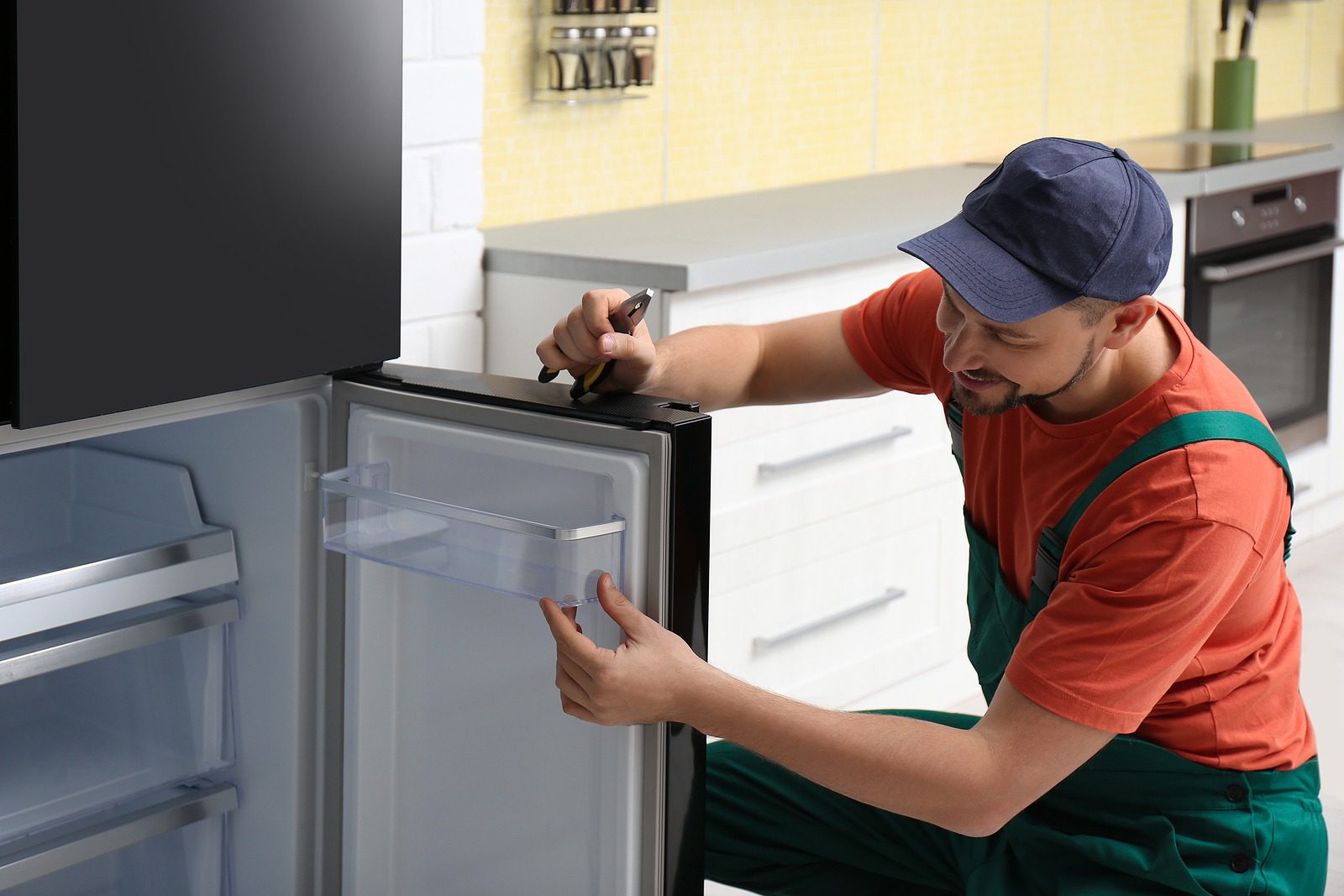
Consider scheduling annual maintenance visits with a certified Sub-Zero service provider. During these visits, a technician will clean the condenser, inspect the door seals, verify refrigerant charge levels, test all electronic components, and run a full diagnostic cycle — catching potential issues before they become expensive failures.
It also pays to ensure your kitchen ventilation is adequate around the unit. Sub-Zero requires proper clearances for heat dissipation — in renovated kitchens where cabinetry has been modified, these clearances are sometimes inadvertently compromised, directly impacting performance.