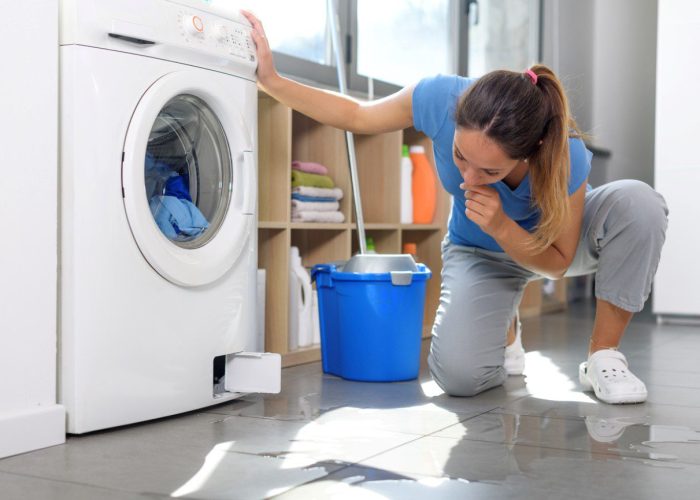
A washing machine that suddenly takes much longer to fill or drain may still complete the cycle, making the problem easy to ignore. But slower water flow is often one of the first signs that something inside the appliance is no longer working as efficiently as it should.
For homeowners in San Francisco and the Bay Area, where premium washers from brands such as Miele and other high-end manufacturers are common, addressing these symptoms early can help prevent interrupted cycles, water-related problems, and more expensive repairs.
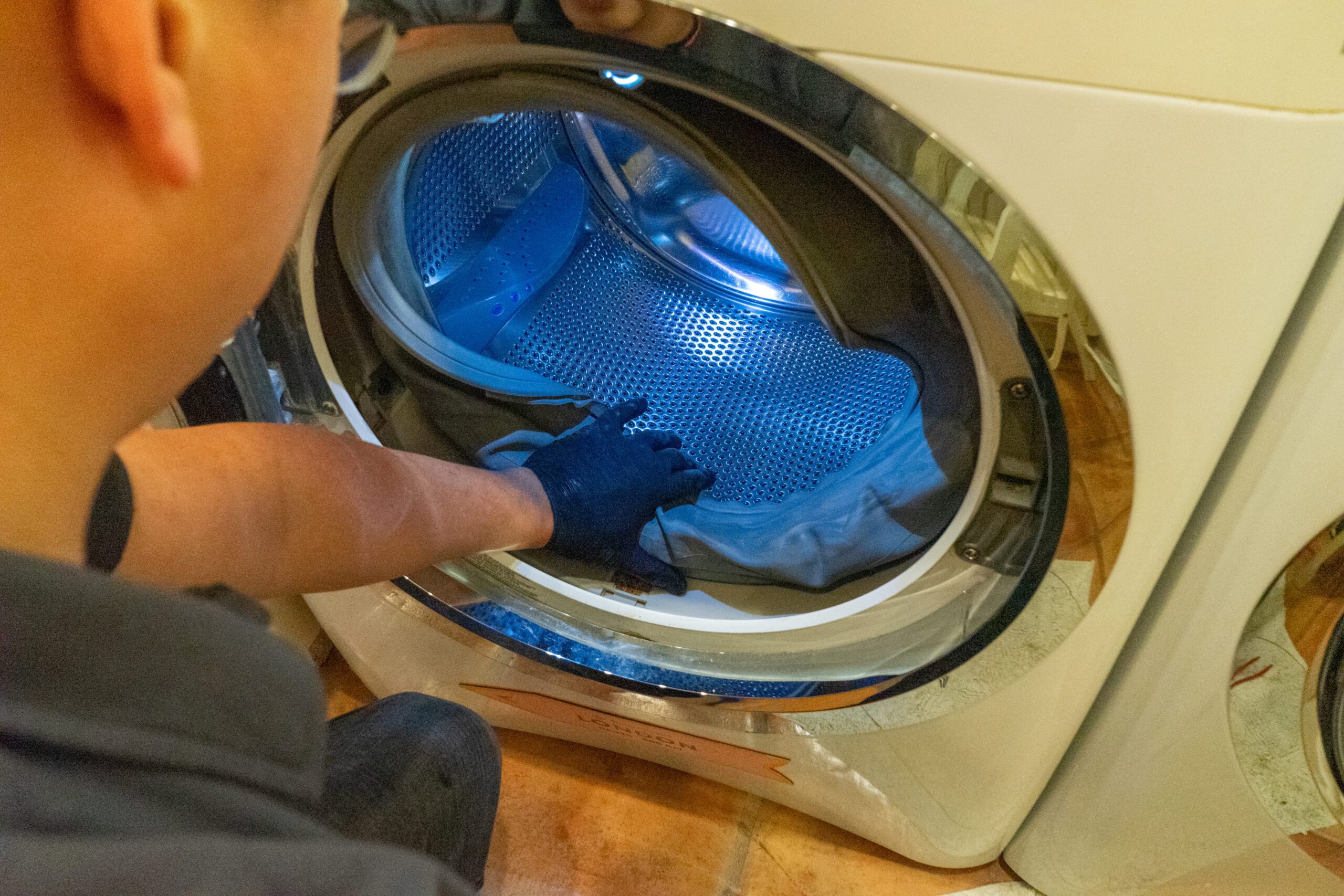
So when is a slow washer simply experiencing a temporary issue — and when does it need professional attention?
Why Is My Washing Machine Taking So Long to Fill?
If the washer takes several minutes longer than usual to fill, the appliance may not be receiving enough water.
Some of the most common causes include:
- ●Partially closed water supply valves
- ●Kinked or restricted inlet hoses
- ●Clogged inlet screens
- ●Low household water pressure
- ●A failing water inlet valve
- ●A faulty water-level or pressure sensor
- ●Electronic control problems
A washer that cannot fill at the expected rate may extend the cycle, stop unexpectedly, or display an error code.
Start With the Water Supply
Before assuming there is an internal appliance failure, check the basics.
Make sure both water supply valves are fully open and inspect the visible portions of the inlet hoses for bends or kinks. If other fixtures in the home also have unusually weak water pressure, the issue may be related to the household water supply rather than the washer itself.
Why Is My Washer Draining Slowly?
Slow draining is another common symptom that can begin as a minor inconvenience.
The washer may pause for longer than usual before spinning, leave water at the bottom of the drum, or finish a cycle with clothes that are much wetter than expected.
Possible causes include:
- ●A clogged drain filter
- ●Debris inside the drain system
- ●A kinked or restricted drain hose
- ●A weakening drain pump
- ●A blockage between the tub and pump
- ●A water-level sensor problem
- ●An electronic control issue
Small objects such as coins, lint, hair, fabric fibers, or items left in pockets can sometimes restrict drainage.
When Is Slow Filling or Draining More Than a Minor Issue?
An occasional slightly longer cycle does not necessarily mean your washing machine needs repair. Modern washers automatically adjust cycle times based on load size, water level, fabric type, and selected program.
The concern begins when the change becomes consistent or is accompanied by other symptoms.
| What You Notice | What It May Indicate |
|---|---|
| Water remains in the drum | Drain restriction, filter blockage, or pump problem |
| Washer fills extremely slowly | Restricted inlet, low water pressure, or inlet valve issue |
| Cycle stops midway | Water-level, drainage, or control-system problem |
| Clothes remain unusually wet | Incomplete drainage or spin-cycle issue |
| Humming during draining | Pump obstruction or weakening drain pump |
| Recurring error codes | A persistent condition requiring diagnostics |
What Can You Safely Check Yourself?
Before scheduling service, there are several simple checks homeowners can perform.
- ●Make sure the hot and cold water valves are fully open
- ●Check visible inlet and drain hoses for kinks
- ●Make sure the drain hose is not crushed behind the washer
- ●Confirm that the selected cycle is appropriate for the load
- ●Avoid overloading the washer
- ●Clean the drain filter if your manufacturer recommends homeowner access and cleaning
Why You Shouldn’t Ignore Slow Drainage
A washer that still works can make it tempting to postpone service. However, a restricted drain system can place additional strain on the drain pump.
A weak pump may continue operating longer as it attempts to remove water, while a blockage can eventually prevent the washer from completing a cycle altogether. Standing water can also create unpleasant odors and leave clothing improperly rinsed.
Catching the problem while the washer is still operating may make diagnosis easier and help prevent a sudden breakdown.
What If the Washer Fills and Drains Normally but Still Takes Too Long?
Not every long wash cycle is caused by water flow.
Premium washing machines use sensors and electronic controls to adjust water levels, temperature, agitation, rinsing, and spin speed. If a sensor provides incorrect information, the washer may repeatedly extend or modify the cycle.
Other possibilities can include:
- ●Unbalanced loads
- ●Excessive detergent or oversudsing
- ●Heating-system problems on models that heat water internally
- ●Water-level sensor faults
- ●Control-system issues
Washer taking longer than it used to?
Prime Fix provides professional washing machine diagnostics and repair throughout San Francisco and the Bay Area. Our technicians work with premium appliances and can identify problems with filling, draining, pumps, sensors, and electronic controls.
When Should You Call a Professional?
If your washer consistently takes longer to fill or drain, leaves water inside the drum, displays recurring errors, or has suddenly developed much longer cycles, professional diagnostics are recommended.
A technician can inspect the inlet valves, pumps, hoses, filters, sensors, electrical components, and control system to determine where the cycle is being delayed.
For premium washing machines, accurate diagnosis is particularly important. Replacing a part based only on a symptom can be expensive and may not solve the underlying problem.
Need Washer Repair in San Francisco or the Bay Area?
Prime Fix provides professional washing machine diagnostics, maintenance, and repair throughout San Francisco and the Bay Area.
Our technicians work with high-end appliances and can identify why your washer is filling slowly, struggling to drain, extending cycles, or displaying recurring errors.
If your washing machine is taking noticeably longer than it used to, you don’t necessarily need to wait until it stops working completely. Early diagnostics can help identify developing problems and keep your laundry routine running smoothly.