A Viking gas range is designed to deliver powerful, precise cooking performance. Whether you’re preparing a quick weekday dinner or getting ready for a Thanksgiving gathering, you expect the burners to ignite smoothly and maintain a steady flame.
But what if your Viking burner lights normally — and the clicking doesn’t stop?
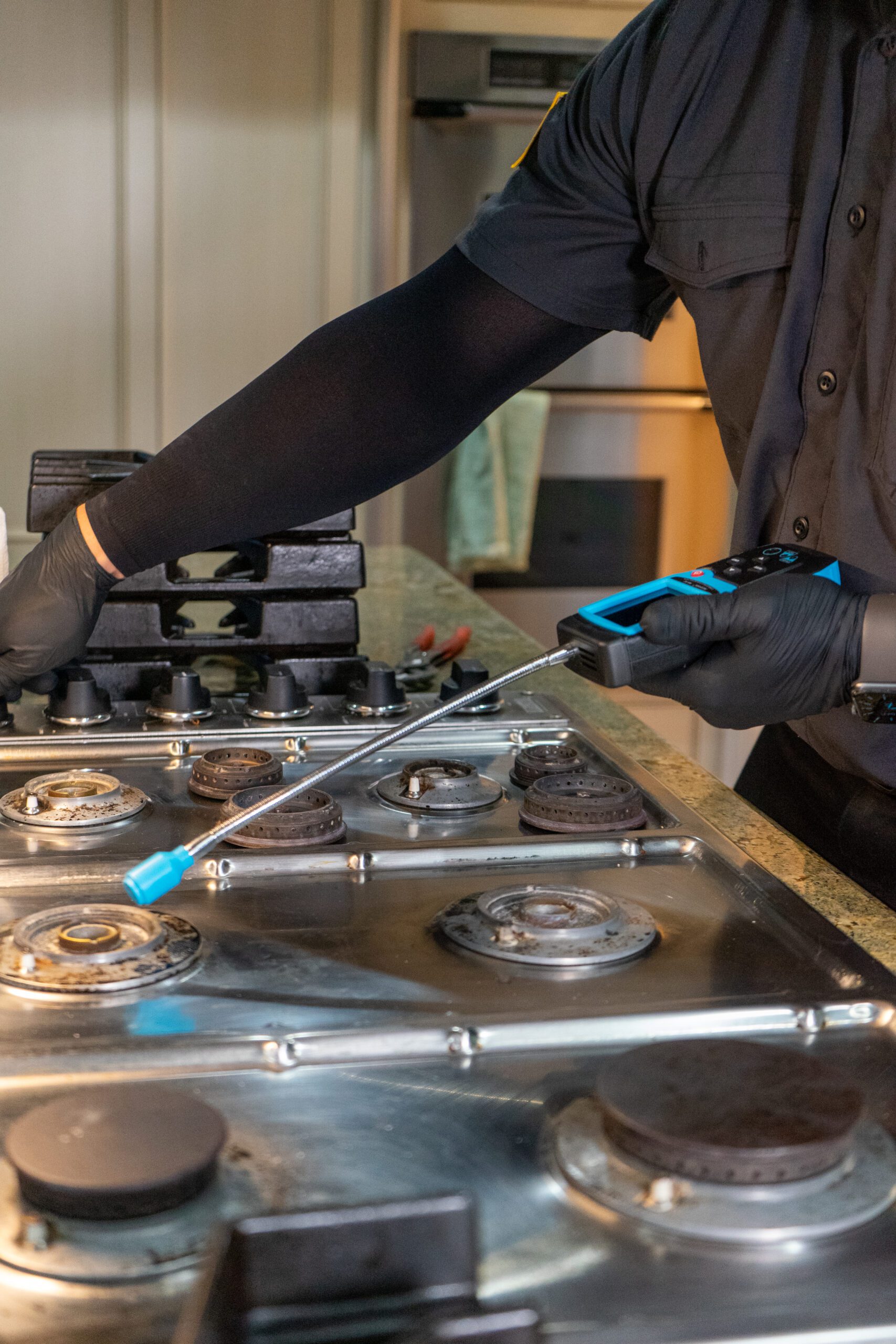
You turn the knob, hear the familiar clicking sound, and see the flame ignite. Yet the igniter continues to click. Sometimes it stops after a few seconds. Other times, the clicking continues throughout cooking or returns unexpectedly.
A Viking gas burner that keeps clicking after ignition isn’t necessarily experiencing a major failure. The cause could be as simple as moisture around the burner or a misaligned burner cap. However, persistent clicking may also indicate a problem with the ignition switch, spark electrode, wiring, or ignition module.
For homeowners in San Francisco and the Bay Area, understanding the difference can help prevent unnecessary repairs and identify when professional service is needed.
Why Does a Viking Gas Burner Keep Clicking?
On many Viking gas ranges, the ignition system generates an electrical spark to ignite the gas at the burner.
Depending on the model, the igniter may click during startup or operate as part of an automatic reignition system designed to help restore a flame if it goes out.
That distinction matters.
The first step is to identify exactly when the clicking occurs.
Is the Clicking Normal or a Warning Sign?
| What You Notice | What It Could Mean | Recommended Action |
|---|---|---|
| Clicking stops once the burner ignites | Normal ignition operation on many models | No action needed |
| Brief clicking when the flame goes out | Automatic reignition on equipped models | Check your model’s instructions |
| Clicking continues with a steady flame | Moisture, burner alignment, sensing, or ignition issue | Inspect accessible burner components |
| Clicking began after cleaning | Moisture around the burner or ignition components | Allow components to dry |
| Clicking with an uneven or weak flame | Dirty or incorrectly positioned burner components | Check burner assembly |
| Clicking continues when all burners are off | Faulty switch, wiring, or ignition control | Stop using the range and arrange service |
| Clicking but no flame appears | Burner obstruction, ignition, or gas supply issue | Turn the burner off and investigate safely |
These symptoms are useful clues, but they do not identify a specific failed component on their own.
1. Moisture Around the Burner or Ignition Components
One of the first things to consider is whether the clicking started after cleaning the cooktop.
Water, cleaning solutions, or food spills can reach the area around the burner and spark electrode.
When moisture remains near the ignition components, it may interfere with normal ignition behavior.
Common Situations
- ● You recently wiped down the cooktop with a damp cloth.
- ● A pot boiled over during cooking.
- ● Cleaning solution entered the burner assembly.
- ● The burner components were washed and reinstalled before drying completely.
- ● Clicking began immediately after a thorough kitchen cleaning.
What Can You Safely Do?
Turn the burner off and allow the cooktop to cool completely.
If your Viking model allows homeowner removal of burner caps or other accessible components, follow the manufacturer’s instructions for cleaning and drying them.
Use a soft, dry cloth to remove visible moisture from accessible surfaces.
Make sure all components are completely dry before reassembly.
If clicking continues after the burner has dried, the issue may involve another part of the ignition system.
2. The Burner Cap Is Not Positioned Correctly
A burner cap that is slightly out of position can interfere with how gas flows and how the flame forms around the burner.
This can happen after cleaning, when a cap is removed and then placed back incorrectly.
The burner may still ignite, but the flame may appear uneven, weak, or unstable.
On certain Viking models with automatic reignition, an unstable flame can contribute to repeated sparking.
Signs of a Misaligned Burner Cap
- ● The flame is stronger on one side.
- ● Some burner ports do not ignite properly.
- ● The burner takes longer than usual to light.
- ● Clicking continues after ignition.
- ● The flame flickers or appears uneven.
- ● The problem started after cleaning.
What Should You Check?
With the burner switched off and completely cool, inspect the accessible burner cap.
Make sure it sits properly according to the instructions for your Viking model.
Do not force components into position or interchange parts between burners unless the manufacturer specifically permits it.
If the cap is correctly seated but the clicking continues, further investigation may be necessary.
3. Food Debris or Grease Is Affecting the Burner
Gas burners are exposed to cooking oils, sauces, food particles, and everyday kitchen residue.
Over time, debris can accumulate around the burner ports or ignition area.
When the burner is partially obstructed, the flame may not form correctly.
That can lead to delayed ignition, uneven flame distribution, or unstable operation.
What You Might Notice
- ● The burner clicks longer than usual before lighting.
- ● Some sections of the burner do not ignite.
- ● The flame appears uneven.
- ● The burner makes a popping sound.
- ● The flame goes out unexpectedly.
- ● Clicking continues as the system attempts to reignite.
Can You Clean It Yourself?
Accessible burner components can often be cleaned according to the manufacturer’s instructions.
However, cleaning methods vary by model.
Avoid inserting needles, drill bits, or other metal tools into gas orifices. Changing the size or shape of an opening can affect gas flow and burner performance.
Do not attempt to disassemble the gas supply components.
If routine cleaning does not restore normal ignition, professional diagnostics may be needed.
4. A Dirty or Damaged Spark Electrode
The spark electrode is the component that generates the electrical spark used to ignite gas at the burner.
If the electrode becomes contaminated, damaged, or incorrectly positioned, ignition performance may become inconsistent.
Depending on the Viking ignition system, this may result in repeated clicking or difficulty establishing a stable flame.
Possible Symptoms
- ● Clicking continues longer than normal.
- ● The burner takes multiple attempts to ignite.
- ● Sparking appears irregular.
- ● The electrode is visibly cracked or damaged.
- ● The burner works intermittently.
- ● The problem affects one burner more than the others.
A damaged electrode should not be repaired using improvised methods.
The ignition system operates at high voltage, even though the spark itself is small.
5. The Ignition Switch May Be Sticking
On many gas ranges, turning or pressing a burner knob activates an ignition switch.
This switch signals the ignition system to generate sparks.
If the switch becomes stuck or develops an electrical fault, the system may continue sparking even when it should not.
What Does a Faulty Ignition Switch Look Like?
- ● Clicking continues after the knob is moved out of the ignition position.
- ● The clicking starts unexpectedly.
- ● Multiple burners spark even when only one burner is being operated.
- ● Clicking continues when the burners are turned off.
- ● The problem becomes more frequent over time.
It is important to note that some Viking models intentionally spark multiple electrodes during ignition. Seeing more than one burner spark does not automatically indicate a defect.
The concern is when the system behaves differently from its normal operation or continues sparking when it should be inactive.
Can the Switch Be Repaired?
A technician can evaluate whether the switch is sticking, receiving an incorrect signal, or experiencing an electrical fault.
Depending on the model and condition, repair may involve cleaning or replacing an appropriate component.
Do not remove burner knobs or access internal switch assemblies for electrical repair unless the manufacturer’s instructions explicitly authorize the procedure.
6. The Spark Module May Be Malfunctioning
The spark module supplies the electrical pulses that create ignition sparks.
If it develops a fault, the burners may click continuously, spark intermittently, or fail to ignite correctly.
Possible Signs of a Spark Module Problem
- ● Continuous clicking that does not stop.
- ● Irregular sparking across multiple burners.
- ● Ignition problems affecting more than one burner.
- ● Clicking when the controls are not requesting ignition.
- ● Burners that ignite inconsistently.
However, a spark module should not be replaced based on these symptoms alone.
A faulty switch, damaged wiring, moisture, or another ignition-related issue may create similar behavior.
Professional diagnosis should determine whether the module is receiving the correct signals and functioning as intended.
7. Automatic Reignition May Be Responding to an Unstable Flame
Some Viking gas ranges feature automatic reignition.
On these models, the ignition system can respond when a burner flame is interrupted.
For example, a draft, spill, or temporary flame disturbance may cause the burner to reignite.
In that situation, brief clicking may be part of normal operation.
When Should You Be Concerned?
- ● The clicking continues even though the flame appears steady.
- ● The burner repeatedly loses its flame.
- ● Reignition attempts become frequent.
- ● The flame is unusually weak or uneven.
- ● The burner does not reliably remain lit.
- ● The behavior is new and happens during normal cooking.
Repeated reignition can indicate that the burner is not operating as intended.
Possible contributing factors include burner contamination, incorrect assembly, ignition-component issues, or problems affecting flame stability.
A qualified technician can evaluate the system and determine whether the behavior is normal for that specific Viking model.
8. Clicking Continues Even When the Burner Is Turned Off
This symptom deserves particular attention.
If your Viking range continues clicking after all burner knobs have been turned to the OFF position, the ignition system may be receiving an unintended electrical signal.
Possible causes include:
- ● A stuck ignition switch.
- ● Moisture affecting the switch assembly.
- ● Damaged wiring.
- ● An electrical control fault.
- ● A malfunctioning spark module.
What Should You Do?
Make sure all burner controls are in the OFF position.
If clicking continues, stop using the range and arrange professional service.
If it is safe to do so, you may disconnect electrical power according to the appliance’s instructions. Do not attempt electrical work or internal disassembly.
Persistent sparking while the controls are off should not be ignored.
What If Only One Viking Burner Keeps Clicking?
When the problem affects a single burner, it can help narrow the investigation.
For example, one burner may have a misaligned cap, contaminated electrode, or an issue with its ignition components.
If several burners exhibit the same behavior, the cause may involve shared ignition controls or electrical components.
However, the number of affected burners is only one diagnostic clue.
Some ignition systems intentionally activate multiple electrodes simultaneously, so observing sparks at several burners does not necessarily mean all those burners are malfunctioning.
That information can help a technician determine where to begin testing.
Safe Checks Before Scheduling Viking Range Repair
Before calling for service, there are a few things homeowners can safely check.
1. Identify When the Clicking Starts
Does it happen during ignition, after the flame appears, or when the burner is off?
The timing matters.
2. Check Whether the Cooktop Was Recently Cleaned
If the issue started after cleaning or a spill, moisture may be involved.
Allow the appliance to cool and dry completely.
3. Inspect Accessible Burner Caps
Check that removable burner caps are properly positioned according to the manufacturer’s instructions.
4. Look at the Flame
A healthy gas burner should generally produce a stable flame consistent with its design.
Persistent uneven flames, delayed ignition, or repeated flame loss deserve attention.
5. Check for Visible Residue
Food debris and grease around accessible burner surfaces may affect operation.
Clean only the components and areas approved for homeowner maintenance.
6. Note Whether Other Burners Are Affected
Does the issue occur on one burner or several?
This can be useful information when scheduling diagnostics.
7. Stop If You Notice Warning Signs
Do not continue using the burner if it repeatedly fails to ignite, produces an unstable flame, or shows signs of an electrical malfunction.
Never repeatedly release unignited gas while attempting to start a burner.
When Should You Call a Professional?
Consider scheduling professional Viking gas range service if:
- ● Clicking continues after the burner ignites and the flame is stable.
- ● The problem remains after approved cleaning and drying.
- ● The burner repeatedly fails to ignite.
- ● Clicking occurs when the controls are turned off.
- ● The flame is weak, uneven, or frequently goes out.
- ● The problem affects multiple burners.
- ● You notice unusual electrical behavior.
- ● The spark electrode appears damaged.
- ● Ignition becomes increasingly unreliable.
A technician can inspect the relevant burner components, ignition switches, electrodes, wiring, and spark module to determine the underlying cause.
Replacing components without confirming the fault can lead to unnecessary expense.
Why It’s Worth Checking Your Viking Range Before Thanksgiving
Thanksgiving is one of the busiest cooking days of the year.
Between preparing side dishes, simmering sauces, and coordinating multiple dishes at once, a reliable gas range becomes especially important.
A burner that keeps clicking may seem like a minor annoyance during everyday cooking.
But if the underlying problem involves unreliable ignition or an unstable flame, it can become a much bigger inconvenience when you’re preparing a holiday meal.
For Bay Area homeowners planning to host family or friends, early diagnosis can help avoid last-minute cooking disruptions.
If your Viking range has recently started clicking unexpectedly, now is a good time to have the issue evaluated rather than waiting until the holiday rush.
Viking Gas Range Repair in San Francisco & the Bay Area
A Viking range is a major part of a premium kitchen, and ignition problems deserve careful diagnosis.
At Prime Fix, we provide professional diagnostics, maintenance, and repair for premium cooking appliances throughout San Francisco and the Bay Area.
Whether your Viking burner keeps clicking after ignition, struggles to light, produces an uneven flame, or continues sparking when turned off, our goal is to identify the underlying problem and determine the appropriate repair.
From burner components and ignition electrodes to switches and electronic ignition controls, a systematic diagnosis can help restore dependable operation without unnecessary part replacement.
Viking Burner Keeps Clicking?
Don’t wait for a small ignition issue to interrupt your next meal. Prime Fix provides professional Viking gas range diagnostics and repair throughout San Francisco and the Bay Area.
Contact Prime Fix to schedule professional Viking gas range diagnostics in San Francisco and the Bay Area.
Prime Fix — San Francisco & Bay Area | +1 415-310-0481
Final Thought: Don’t Ignore a Burner That Keeps Clicking
A Viking gas burner that continues clicking after ignition may be responding to moisture, a misaligned burner cap, debris, an ignition switch problem, or an electrical fault.
On models with automatic reignition, brief sparking can also be part of normal operation.
The important thing is to pay attention to the pattern.
Does the clicking stop once the flame stabilizes? Did it begin after cleaning? Does it happen on one burner or several? Does it continue when everything is turned off?
These details can help distinguish normal ignition behavior from a problem that requires service.
If your Viking burner continues clicking unexpectedly, professional diagnostics can help identify the cause and restore safe, reliable cooking performance.