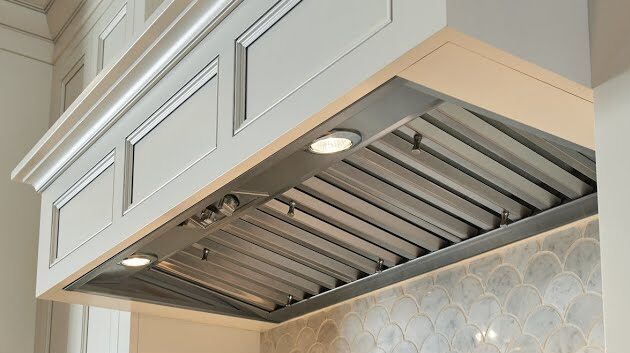
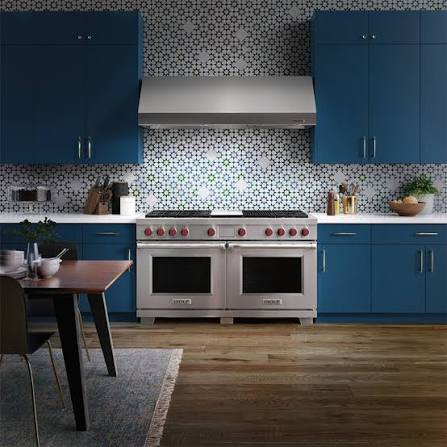
A Wolf range hood is an important part of a premium kitchen. It helps remove cooking smoke, steam, grease particles, and odors, making everyday cooking more comfortable.
But what happens when the hood lights turn on and the fan doesn’t start?
Maybe the blower is completely silent. Perhaps it only works at one speed, makes an unusual humming noise, or shuts off unexpectedly. In some homes, the hood appears to be running, but very little air is moving.
A Wolf range hood fan that stops working doesn’t automatically mean the blower motor needs replacement. The cause may involve electrical power, a control switch, wiring, the blower assembly, or even the original installation.
For homeowners in San Francisco and the Bay Area, identifying the symptoms early can help prevent a small ventilation problem from becoming a major inconvenience during everyday cooking or holiday gatherings.
Why Is My Wolf Range Hood Fan Not Turning On?
Wolf ventilation systems are not all configured the same way. Depending on the model and installation, the blower may be located inside the hood, within the ductwork, or outside the home.
That distinction matters because the component responsible for moving air may not be directly above the cooking surface.
Wolf’s official troubleshooting guidance identifies installation issues, wiring, blower faults, switches, control assemblies, circuit boards, and transformers among the possible causes of a non-operating ventilation blower.
1. The Hood Has Power, but the Blower Doesn’t Respond
One of the clearest symptoms is a hood with functioning lights but no fan operation.
You press the blower button or turn the speed control, but nothing happens.
This suggests that at least part of the hood is receiving power. However, it does not confirm that the blower motor, its wiring, or its control circuit is functioning.
What Could Be Wrong?
Possible causes include:
- ● A malfunctioning fan control switch.
- ● An electrical connection problem.
- ● A defective blower motor.
- ● A failed electronic control component.
- ● An installation-related wiring issue.
- ● A disconnected blower power connection.
On certain Wolf hood configurations, the blower has its own electrical connection within the hood assembly.
If that connection is not properly established, the lights may operate while the fan remains inactive.
What Can You Check?
Start by checking whether the hood responds to other controls.
Does the lighting operate normally? Does the display respond? Does the fan fail at every speed?
Record these observations before arranging service.
Do not remove electrical covers or attempt to reconnect internal wiring yourself. Those checks should be performed by a qualified technician.
2. A Faulty Blower Motor May Be Preventing Air Movement
The blower motor drives the fan responsible for moving air through the ventilation system.
If the motor develops an electrical or mechanical fault, the hood may stop extracting air even though its other functions continue to work.
Signs of a Possible Blower Motor Problem
- ● The fan no longer starts.
- ● A humming sound without normal airflow.
- ● Grinding, rattling, or other unusual noises.
- ● Intermittent fan operation.
- ● The blower stopping unexpectedly.
- ● Reduced airflow before the fan stops completely.
These symptoms may indicate a motor problem, but they are not conclusive.
A malfunctioning control switch, electrical connection, or restriction elsewhere in the system may create similar symptoms.
Does the Entire Blower Need Replacement?
Not necessarily.
A professional diagnosis should establish whether the problem is with the motor itself, its power supply, the controls, or another component.
Replacing a blower assembly without confirming the cause can lead to unnecessary expense.
3. The Fan Works at Only One Speed
Another common complaint is a ventilation hood that turns on but does not respond correctly to speed adjustments.
For example, the fan may operate at its lowest setting but refuse to increase speed. Or it may run at full power regardless of the selected setting.
Why Does This Happen?
Depending on the Wolf model, possible causes include:
- ● A faulty speed-control switch.
- ● A malfunctioning electronic control.
- ● A wiring problem.
- ● An incompatible or improperly installed blower.
- ● An electrical fault affecting motor-speed regulation.
Why You Shouldn’t Ignore It
A fan stuck at a low setting may not provide enough ventilation during demanding cooking tasks.
A fan stuck at high speed can create unnecessary noise and make the kitchen less comfortable.
If the hood no longer responds to normal speed adjustments, professional diagnostics can help identify whether the issue involves the controls or blower assembly.
4. The Blower May Be Installed Remotely
One important difference between Wolf ventilation systems and many basic residential range hoods is the availability of multiple blower configurations.
Depending on the product, Wolf ventilation may use:
| Blower Type | Where It Is Located | What It Means for Diagnosis |
|---|---|---|
| Internal blower | Inside the hood assembly | Motor and controls may be near the hood |
| In-line blower | Within the ventilation ductwork | Motor may be away from the kitchen |
| Remote blower | On the roof or an exterior wall | Motor may be outside the home |
Not every blower configuration is compatible with every Wolf hood model.
Why Does Blower Location Matter?
Imagine a homeowner in a San Francisco townhouse whose Wolf hood lights work perfectly, but the ventilation fan no longer runs.
The homeowner might assume the problem is inside the hood.
However, if the system uses a remote blower, the motor may be mounted on the roof.
A technician needs to understand the full ventilation configuration before determining where the fault originates.
What Should Homeowners Do?
Check the appliance documentation or installation records, if available.
Knowing whether your hood has an internal, in-line, or remote blower can help the technician prepare for diagnosis.
5. The Control Switch or Electronic Board May Be Malfunctioning
Modern ventilation systems rely on controls to communicate the selected operating settings to the blower.
Depending on the model, these controls may include mechanical switches, knobs, touch controls, or electronic circuit boards.
If a control component fails, the fan may stop responding correctly.
Possible Symptoms
- ● The blower does not turn on when selected.
- ● The fan operates only intermittently.
- ● Speed adjustments no longer work.
- ● Buttons or touch controls become unresponsive.
- ● The blower continues running despite attempts to switch it off.
A faulty control can sometimes resemble a failed blower motor.
That is why proper electrical testing matters.
A technician can evaluate the control system and determine whether the blower is receiving the appropriate operating signals.
6. The Fan Starts but Shuts Off Unexpectedly
A blower that starts normally and then stops can be particularly frustrating.
The hood may work for several minutes before the fan stops. It may restart later or operate inconsistently.
Possible Causes
- ● An electrical connection problem.
- ● A motor fault.
- ● A malfunctioning control component.
- ● An installation issue.
- ● A protective or automatic operating feature.
Could It Be a Normal Wolf Safety Feature?
Yes, in some circumstances.
Certain Wolf ventilation models have a heat safety sensor that automatically activates or adjusts the blower when heat is detected from the cooking appliance.
This feature is designed to respond to elevated cooking temperatures and is not necessarily a malfunction.
However, not all Wolf hood models have this feature.
Wolf identifies it on various Cooktop and Pro ventilation models, while noting that certain V Series models do not use the same automatic heat-sensing function.
How Can You Tell the Difference?
Consider when the fan changes behavior.
If it activates during high-heat cooking and returns to normal afterward, the behavior may be associated with the appliance’s intended safety function.
If the fan stops randomly, fails to respond to controls, or never operates normally, further diagnosis may be needed.
Always refer to the operating instructions for your specific Wolf model.
7. Dirty Filters or Blocked Ductwork May Be Affecting Performance
Sometimes the fan is operating, but the hood doesn’t seem to remove smoke or cooking odors effectively.
This is different from a blower that will not turn on at all.
The problem may involve restricted airflow rather than a failed motor.
What Can Restrict Airflow?
- ● Grease buildup on the filters.
- ● Obstructions in the ventilation duct.
- ● A damper that does not open correctly.
- ● A blocked exterior vent termination.
- ● Incorrect duct sizing or excessive duct restrictions.
- ● Insufficient replacement air entering the home.
What Can You Safely Check?
Inspect the accessible filters according to the model’s use and care guide.
If they are dirty, clean or replace them as specified by Wolf.
You can also observe whether the hood seems noticeably weaker than before.
Do not reach into moving fan components, insert tools into the ductwork, or attempt to clean inaccessible ventilation sections without appropriate equipment.
What About Bay Area Homes?
In older San Francisco properties, renovated kitchens, and homes with complex duct routing, the ventilation installation itself may contribute to performance issues.
A long duct run, multiple bends, or inadequate make-up air can affect how efficiently the hood removes cooking exhaust.
A properly functioning motor cannot fully compensate for a poorly designed or obstructed ventilation path.
Wolf Range Hood Problems at a Glance
| What You Notice | Possible Cause | Recommended Next Step |
|---|---|---|
| Lights work, fan doesn’t | Blower, switch, wiring, or control issue | Schedule blower diagnostics |
| Fan works at only one speed | Speed control or electrical fault | Have controls evaluated |
| Blower hums but won’t start | Motor or mechanical issue | Stop repeated attempts and request service |
| Fan starts, then stops | Intermittent motor, control, or electrical fault | Record when it happens |
| Fan turns on automatically | Heat safety feature on certain models | Check model-specific operating guidance |
| Fan runs but airflow is weak | Dirty filters, duct restriction, damper, or ventilation design | Inspect approved maintenance areas |
| Hood is completely unresponsive | Power supply or control issue | Check breaker safely |
| New hood has never worked correctly | Installation or blower compatibility issue | Review installation with a professional |
These symptoms are diagnostic clues, not proof that a particular part has failed.
What Can You Safely Check Before Calling for Service?
If your Wolf range hood fan is not working, a few basic observations can help determine whether professional repair is necessary.
Step 1: Check Whether the Hood Has Power
Determine whether the lights, display, or other controls are functioning.
If the entire hood is unresponsive, check the electrical circuit breaker.
A one-time reset may be appropriate if recommended in your model’s instructions. Do not repeatedly reset a breaker that continues to trip.
Step 2: Test the Fan Settings
Try the normal blower controls.
Does the fan respond at any speed? Does it make a sound without moving air?
Do not continue operating the hood if you hear grinding or other signs of mechanical trouble.
Step 3: Inspect the Filters
If the appliance is switched off and cool, inspect accessible filters according to the operating manual.
Clean and reinstall them correctly if needed.
Step 4: Note Any Unusual Sounds
Listen for changes such as humming, rattling, clicking, or grinding.
Describe these sounds to the technician rather than attempting to locate them by opening electrical or mechanical components.
Step 5: Identify the Blower Configuration
If possible, check whether your Wolf ventilation system uses an internal, in-line, or remote blower.
This can be particularly helpful when scheduling service.
Step 6: Observe When the Problem Occurs
Does the blower fail every time?
Does it stop after running for several minutes?
Does the problem occur only during high-heat cooking?
A clear pattern can help narrow down the cause.
Can You Keep Cooking if Your Wolf Range Hood Fan Doesn’t Work?
A non-operating range hood can affect indoor air quality and kitchen comfort.
Cooking, particularly with gas appliances, can generate combustion byproducts, moisture, grease particles, and odors.
Without adequate ventilation, these pollutants may accumulate indoors.
If your range hood isn’t operating, avoid high-smoke cooking and take steps to provide appropriate ventilation.
If you use a gas range, proper ventilation is particularly important.
A malfunctioning hood does not automatically mean the cooking appliance itself is defective, but it does mean that an important part of the kitchen’s ventilation system is unavailable.
Why It’s Worth Checking Your Range Hood Before Holiday Cooking
Thanksgiving and the winter holiday season often bring more activity to the kitchen.
Roasting, searing, frying, and preparing several dishes at once can produce more heat, steam, and cooking odors than usual.
A Wolf ventilation system that operates inconsistently may become especially inconvenient during a large family dinner.
If the fan has recently started making unusual noises, responding poorly to speed controls, or shutting off unexpectedly, consider arranging an inspection before your next gathering.
A functioning ventilation system helps make busy cooking days more comfortable.
When Should You Schedule Professional Wolf Range Hood Repair?
Consider professional diagnostics if:
- ● The fan does not start despite normal control operation.
- ● The lights work but the blower remains inactive.
- ● The fan only operates at one speed.
- ● The blower makes grinding, buzzing, or unusual mechanical noises.
- ● The fan repeatedly stops during use.
- ● The hood turns on or off unexpectedly outside its normal operating behavior.
- ● Airflow remains weak after approved filter maintenance.
- ● The circuit breaker repeatedly trips.
- ● The ventilation problem began after installation or renovation.
- ● A remote or in-line blower is suspected of malfunctioning.
A technician can evaluate the relevant electrical controls, wiring, blower assembly, and other components to identify the cause.
If the issue involves duct design, make-up air, or household ventilation infrastructure, an HVAC specialist may also be needed.
Wolf Range Hood Diagnostics and Repair in San Francisco & the Bay Area
A premium kitchen deserves a ventilation system that works as reliably as the cooking appliances beneath it.
If your Wolf range hood fan is not working, operates only at certain speeds, or no longer removes cooking exhaust effectively, Prime Fix can help investigate the issue.
Prime Fix provides professional appliance diagnostics, maintenance, and repair throughout San Francisco and the Bay Area.
Whether the problem involves a blower motor, fan control, electrical component, or another ventilation-related fault, identifying the underlying cause is the first step toward restoring dependable performance.
Wolf Range Hood Fan Not Working?
Don’t wait until your kitchen fills with smoke and cooking odors. Prime Fix provides professional appliance diagnostics and repair throughout San Francisco and the Bay Area.
Schedule professional Wolf range hood diagnostics with Prime Fix.
San Francisco & Bay Area | +1 415-310-0481
Final Thought
A Wolf range hood that lights up but doesn’t move air may have a problem with its blower, controls, electrical connections, or installation.
And a hood that runs but provides weak airflow may need a different kind of investigation altogether.
The key is understanding whether the blower is failing to operate or the ventilation system is failing to move air effectively.
If basic checks don’t resolve the issue, professional diagnostics can help identify the cause without unnecessary part replacement.