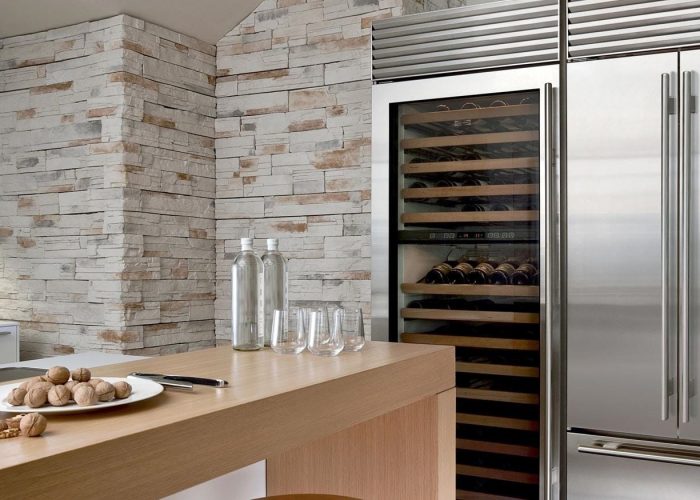
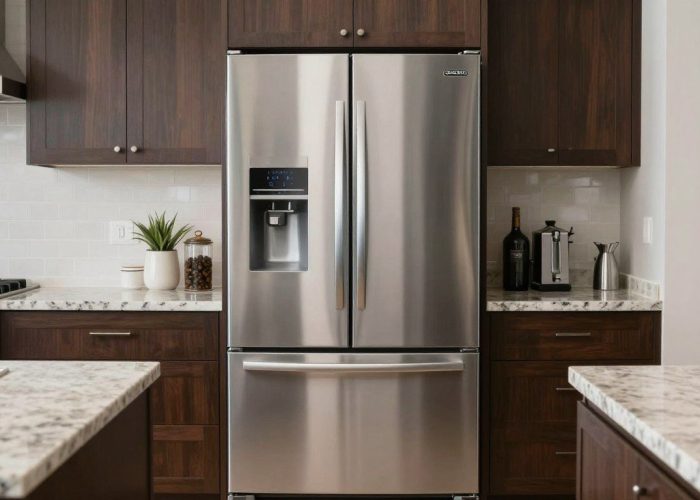
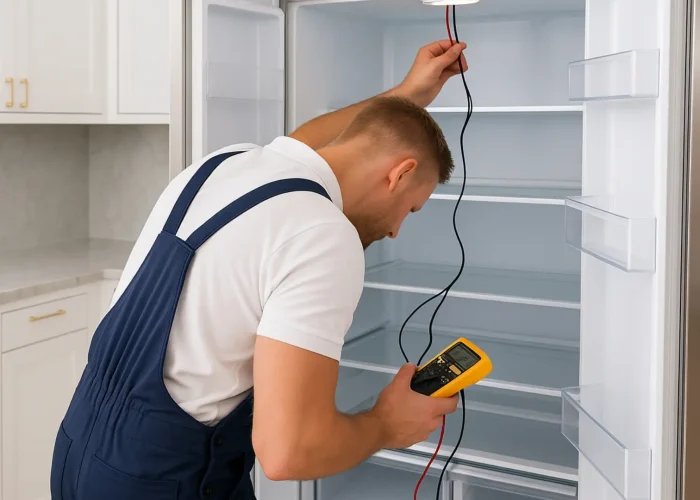
A built-in refrigerator is designed to fit seamlessly into your kitchen. Its door should close smoothly, align with the surrounding cabinetry, and create a secure seal that keeps cold air inside.
But what happens when the door no longer closes the way it used to?
Maybe you have to push it harder than before. Perhaps it looks slightly uneven, catches on a cabinet panel, or seems closed until you notice a small gap along the edge.
At first, it might seem like a minor inconvenience. After all, the refrigerator is still running, the interior light turns off, and the food feels cold.
But a built-in refrigerator door that doesn’t close or seal properly can affect temperature stability, energy efficiency, and the long-term performance of the appliance.
For homeowners in San Francisco and the Bay Area, understanding the early warning signs can help prevent a small alignment or sealing issue from developing into a more complicated repair.
Why a Proper Door Seal Matters More Than You Think
A refrigerator is designed to maintain a controlled internal temperature. Every time you open the door, warm room air enters the cabinet, and the cooling system works to restore the desired conditions.
That’s normal. What isn’t normal is a door that allows warm air to enter continuously because it cannot close or seal correctly.
Even a small gap can interfere with temperature stability. Depending on the severity of the problem, you may notice:
- ● The refrigerator runs longer than usual.
- ● Interior temperatures become less consistent.
- ● Condensation appears around the door or inside the cabinet.
- ● Food spoils sooner than expected.
- ● Frost develops in certain compartments.
- ● The door alarm activates repeatedly.
- ● Energy consumption may increase.
Built-in refrigerators, including premium models from Sub-Zero, Miele, Gaggenau, and other manufacturers, often feature carefully engineered door systems, hinges, gaskets, and cabinet integration.
1. The Door Gasket May Be Dirty, Damaged, or Losing Its Seal
The door gasket is the flexible sealing material that runs around the refrigerator door. Its purpose is simple: create a continuous barrier between the cold interior and the warmer kitchen environment.
Over time, the gasket can collect food residue, grease, dust, and other debris. It may also become worn, distorted, or damaged.
Signs of a Door Gasket Problem
- ● A visible gap between the gasket and refrigerator cabinet.
- ● Condensation around the door edges.
- ● Sections of the gasket that appear folded or misshapen.
- ● Cracks, tears, or hardened areas.
- ● A door that looks closed but doesn’t seal evenly.
- ● Increased cooling activity or temperature fluctuations.
What Can You Check?
Start with a visual inspection. Look around the entire gasket, paying particular attention to the corners and areas where the seal contacts the cabinet.
If the gasket is dirty, clean it gently using the method recommended by the refrigerator manufacturer. Make sure no food packaging or loose items are caught between the gasket and the cabinet.
2. The Door Hinges May Be Worn or Out of Alignment
Built-in refrigerator doors can be heavy, especially when they include decorative panels designed to match the kitchen cabinetry.
Over time, hinges and other supporting components may wear or shift. This can affect how the door moves, closes, and aligns with the refrigerator cabinet.
- ● The door appears lower on one side.
- ● The gap around the door is uneven.
- ● The door rubs against nearby cabinetry.
- ● You need to lift or push the door to close it.
- ● The door no longer moves smoothly.
- ● The door remains slightly open unless pushed firmly.
Why Built-In Refrigerator Alignment Is Different
Unlike many freestanding refrigerators, built-in models are installed within a fixed cabinetry opening. That means door alignment must account for both the appliance and its surrounding installation.
A small change in hinge position or door height may cause the door to contact a neighboring cabinet panel before the gasket fully seals.
Professional inspection may be necessary to determine whether the issue involves the hinges, mounting hardware, door alignment, or surrounding cabinetry.
3. The Decorative Cabinet Panel May Be Interfering With the Door
Panel-ready refrigerators are popular in high-end kitchens because they allow the appliance to blend into the cabinetry.
However, the decorative panel is part of a carefully planned installation. Its dimensions, weight, mounting position, and clearance must be compatible with the refrigerator model.
If the panel shifts or was installed incorrectly, it may interfere with normal door movement.
- ● The panel touches an adjacent cabinet.
- ● The refrigerator door does not open or close freely.
- ● The door catches at a particular angle.
- ● The panel appears slightly uneven.
- ● The door requires more force to close.
- ● The gasket does not make complete contact.
Why You Shouldn’t Force the Door Closed
Repeatedly pushing or slamming a refrigerator door that catches on cabinetry can place unnecessary stress on the hinges, mounting hardware, and decorative panel.
Instead of forcing it, identify where the interference occurs. For panel-ready refrigerators, adjustments should follow the manufacturer’s installation specifications, including applicable panel-weight and clearance requirements.
4. Something Inside the Refrigerator May Be Blocking the Door
Not every door-closing problem involves a mechanical failure. Sometimes the cause is inside the refrigerator.
A shelf that is not fully seated, an oversized food container, or a drawer that hasn’t been pushed all the way back can prevent the door from closing properly.
- ● Large containers extending beyond a shelf.
- ● Refrigerator drawers left partially open.
- ● Bottles or jars positioned too close to the door.
- ● Door bins that are not seated correctly.
- ● Food packaging caught near the gasket.
- ● Shelves installed incorrectly after cleaning.
Before scheduling service, check whether anything is interfering with the door’s normal movement. Pay particular attention to the lower drawers and door bins, where small obstructions can be difficult to see.
If removing the obstruction allows the door to close normally, the problem may not require a repair. However, if the door continues to resist closing when the interior is clear, further inspection may be needed.
5. The Door Closing Mechanism May Not Be Working Properly
Many premium built-in refrigerators use specialized hinges, closing mechanisms, or door-assist components.
Depending on the model, these systems may help control door movement, support its weight, or assist with closing.
When a component becomes worn, damaged, or misaligned, the door may no longer behave as expected.
- ● The door stops short of fully closing.
- ● It feels unusually heavy or difficult to move.
- ● It no longer closes as smoothly as before.
- ● The closing motion has changed noticeably.
- ● The door requires a final push to seal.
- ● A clicking, grinding, or unusual mechanical noise develops.
A change in closing behavior does not automatically mean the entire hinge assembly needs replacement. The cause could involve alignment, an obstruction, mounting hardware, or a model-specific closing component.
6. The Refrigerator or Cabinetry May Have Shifted
Built-in refrigerators depend on correct installation, leveling, and secure positioning. If the appliance shifts or the surrounding cabinetry changes, door operation can be affected.
- ● Improper leveling.
- ● Loose mounting hardware.
- ● Installation-related alignment problems.
- ● Cabinet panels that have shifted.
- ● Insufficient door clearance.
- ● Changes after nearby cabinetry work.
When Installation Is the Real Problem
Imagine a refrigerator that worked normally until new cabinet doors were installed nearby. Now the refrigerator door catches on a panel and cannot close completely.
The refrigerator’s cooling system may be functioning perfectly. The problem could be related to cabinet clearance or door-panel alignment rather than refrigeration components.
7. A Door That Doesn’t Seal Can Lead to Temperature Problems
One of the most important consequences of an improperly closing refrigerator door is the effect on temperature control.
When warm air enters the cabinet repeatedly or continuously, the cooling system has to compensate. Depending on the model and the severity of the air leak, the refrigerator may struggle to maintain its intended temperature.
- ● Food feels warmer than usual.
- ● The refrigerator runs for longer periods.
- ● Temperature readings fluctuate.
- ● Condensation forms on shelves or interior surfaces.
- ● The door alarm activates.
- ● Food near the door spoils more quickly.
- ● Frost or moisture buildup develops in certain areas.
These symptoms do not always indicate a defective compressor or cooling system. Sometimes the refrigerator is working harder because the door is not sealing correctly.
Can a Small Door Gap Really Make a Difference?
Yes. Even a relatively small opening can allow warm, humid air to enter the refrigerator.
The actual effect depends on how large the gap is, how long it remains open, room conditions, and the refrigerator’s design.
8. Condensation Around the Door Is a Warning Sign
Condensation can provide an early clue that something is wrong with the refrigerator door. When warm, humid air contacts colder surfaces, moisture may form.
If the gasket is not sealing correctly, humid room air can enter the refrigerator and contribute to condensation.
You may see moisture:
- ● Along the door gasket.
- ● Around the interior door frame.
- ● On nearby shelves.
- ● On food containers.
- ● Around the edges of the refrigerator compartment.
Occasional moisture after frequent door openings may not indicate a mechanical issue. However, recurring condensation concentrated around one section of the door deserves attention.
Built-In Refrigerator Door Problems at a Glance
| What You Notice | Possible Cause | What to Check First |
|---|---|---|
| Door won’t close completely | Interior obstruction or cabinet interference | Check drawers, shelves, and nearby panels |
| Door looks uneven | Hinge wear or alignment issue | Look for uneven gaps |
| Door rubs against cabinetry | Panel or installation clearance problem | Identify the contact point |
| Door needs a hard push | Closing mechanism, hinge, or seal issue | Check for obstructions |
| Condensation around the edges | Incomplete gasket seal | Inspect and clean the gasket |
| Door alarm keeps activating | Door not fully closed or sensor-related issue | Confirm the door closes completely |
| Refrigerator runs longer than usual | Warm air entering through a poor seal | Check gasket contact and temperatures |
| Door makes unusual noises | Hinge or closing component issue | Arrange professional inspection |
| Problem started after remodeling | Cabinet or installation alignment | Check panel clearance |
What Can You Safely Check Before Calling for Service?
If your built-in refrigerator door isn’t closing properly, start with a few simple observations.
- ● Check for obstructions. Make sure drawers, shelves, door bins, and food containers are not preventing the door from closing.
- ● Inspect the gasket. Look for dirt, damage, deformation, or areas that are not contacting the refrigerator cabinet.
- ● Observe the door alignment. Notice whether the door appears uneven, sags, or rubs against nearby cabinetry.
- ● Check the decorative panel. If your refrigerator is panel-ready, look for visible interference between the panel and surrounding cabinets.
- ● Pay attention to the closing motion. Does the door move smoothly? Does it stop unexpectedly? Has the closing behavior changed?
- ● Look for condensation or temperature changes. Moisture buildup and inconsistent cooling may indicate that the door isn’t sealing properly.
- ● Check for recent changes. Consider whether the problem began after installation, moving shelves, cabinet adjustments, or nearby renovation work.
When Should You Schedule Professional Built-In Refrigerator Service?
A refrigerator door that occasionally catches on a misplaced container is usually a straightforward issue. But recurring closing problems should not be ignored.
Professional inspection is recommended when:
- ● The door consistently fails to close completely.
- ● The gasket has visible damage or no longer seals.
- ● The door appears to sag or sit unevenly.
- ● The door catches on surrounding cabinetry.
- ● The closing mechanism makes unusual noises.
- ● The door requires increasing force to close.
- ● Condensation or frost repeatedly develops.
- ● Temperature stability has changed.
- ● The refrigerator runs longer than usual.
- ● The problem started after installation or cabinetry work.
A technician can inspect the door system, hinges, gasket, alignment, closing components, and relevant installation conditions. The goal is to determine whether the problem is mechanical, installation-related, or caused by a sealing issue.
Why Ignoring a Refrigerator Door Problem Can Become Expensive
A door that doesn’t close properly may seem less urgent than a refrigerator that has stopped cooling completely. But the two problems can be connected.
An incomplete seal may cause the refrigerator to work harder to maintain its temperature.
Over time, this can contribute to:
- ● Higher energy consumption.
- ● Longer cooling cycles.
- ● Inconsistent food-storage temperatures.
- ● Moisture or frost buildup.
- ● Increased wear on affected components.
- ● Food waste.
- ● More complicated service needs if the underlying problem worsens.
Not every door alignment problem leads to major damage. However, addressing a persistent issue early can help prevent avoidable complications.
Built-In Refrigerator Door Repair in San Francisco & the Bay Area
Built-in refrigerators are designed to combine dependable cooling performance with a clean, integrated appearance. When the door stops closing smoothly, the problem may involve more than a simple adjustment.
Prime Fix provides professional built-in refrigerator diagnostics, maintenance, and repair throughout San Francisco and the Bay Area.
Our technicians work with premium refrigeration appliances, including Sub-Zero, Miele, Gaggenau, and other high-end brands.
Whether your refrigerator door is misaligned, the gasket isn’t sealing correctly, or a panel-ready installation is interfering with normal operation, identifying the underlying cause is the first step toward restoring proper performance.
Built-In Refrigerator Door Not Closing Properly?
Don’t wait until a door-closing problem becomes a temperature problem. Prime Fix provides professional refrigerator diagnostics and repair throughout San Francisco and the Bay Area.
Schedule professional refrigerator service with Prime Fix.
San Francisco & Bay Area | +1 415-310-0481
Final thought: A built-in refrigerator door should close smoothly and seal securely. If you find yourself pushing harder, adjusting the door by hand, or checking whether it actually closed, your refrigerator may already be telling you something needs attention.